
Explainer · July 25, 2026 · 5 min · By Nolan Achterman
Metronidazole, Azelaic Acid, or Ivermectin: How the Three Workhorse Topicals for Rosacea Actually Differ
All three are first-line prescriptions for the bumps and pimples of rosacea, but they work through different mechanisms, suit different patients, and carry different tradeoffs. Here is a plain-English comparison of what the evidence shows.
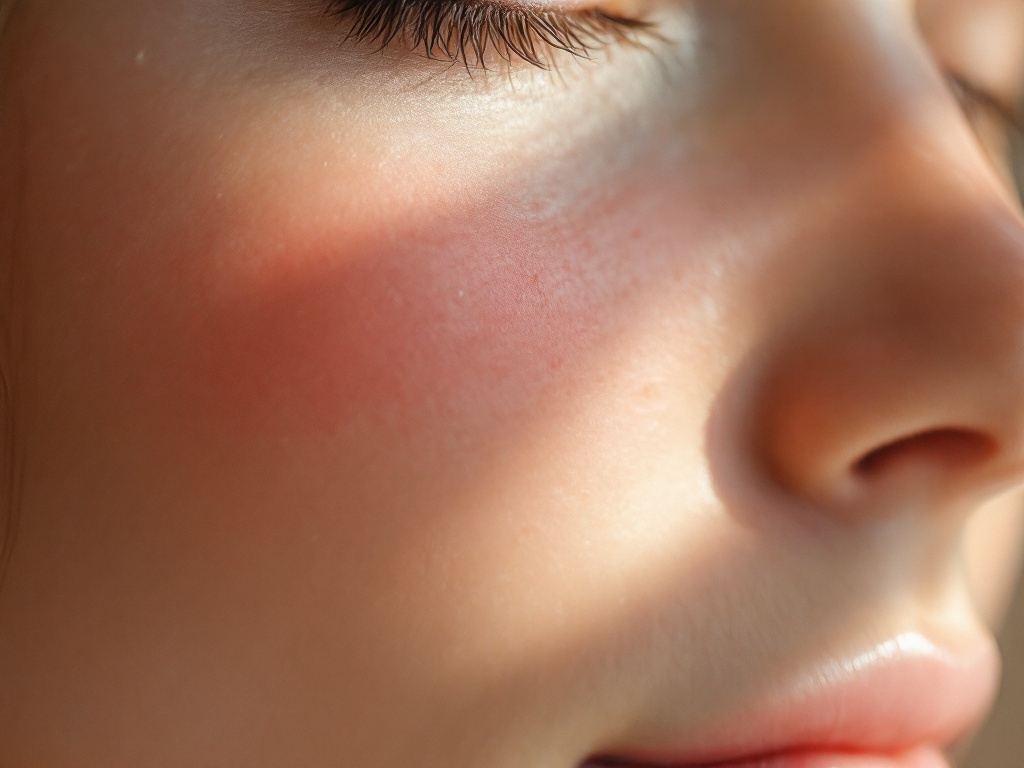
Ask a dermatologist to treat papulopustular rosacea, the subtype marked by red bumps and pus-filled lesions, and the prescription pad usually lands on one of three topicals: metronidazole, azelaic acid, or ivermectin. All three are considered first-line. All three have solid trial data. But they are not interchangeable, and understanding why can save patients months of trial and error.
What each one actually does For an independent overview, see Rosacea treatment: topical and oral options.
Metronidazole is technically an antibiotic, but that is not why it works here. At the concentrations used on skin, 0.75 percent or 1 percent, its benefit in rosacea appears to come from anti-inflammatory and antioxidant effects, including suppression of reactive oxygen species produced by neutrophils, the immune cells that drive much of the visible inflammation. Rosacea is not an infection, and metronidazole does not treat it as one.
Azelaic acid, typically prescribed as a 15 percent gel or foam, is a dicarboxylic acid originally derived from grains. Its rosacea mechanism is broader: it reduces reactive oxygen species, calms the overactive cathelicidin pathway, an innate immune signaling system known to be dysregulated in rosacea skin, and gently normalizes keratinization. That cathelicidin effect matters because elevated cathelicidin peptides are one of the better-established molecular findings in rosacea research.
Ivermectin 1 percent cream is the newest of the three and works on two fronts. It is an antiparasitic that reduces Demodex mites, the microscopic follicle dwellers found in higher densities on rosacea-affected skin, and it has direct anti-inflammatory activity, dampening the same innate immune pathways implicated in the disease. Whether Demodex is a true driver of rosacea or a passenger that amplifies inflammation is still debated, but the clinical response to reducing mite counts is real.
What head-to-head data show
The most cited direct comparison found ivermectin 1 percent cream modestly more effective than metronidazole 0.75 percent cream over 16 weeks, with a higher proportion of patients reaching clear or almost clear skin. Network analyses pooling multiple trials tend to rank ivermectin at or near the top for lesion reduction, with azelaic acid and metronidazole close behind and roughly comparable to each other.
That said, the absolute differences are moderate, not dramatic. All three beat vehicle convincingly, and individual response varies enough that a patient who plateaus on one agent may do well on another.
Tolerability, the deciding factor for many
Metronidazole is generally the gentlest. Stinging and dryness occur but are uncommon, which makes it a reasonable starting point for highly reactive skin.
Azelaic acid is effective but famously tingly. A transient burning or itching sensation in the first weeks affects a meaningful minority of users. It usually fades with continued use, but patients should be warned so they do not abandon treatment early. The foam formulation was developed partly to improve tolerability.
Ivermectin sits in the middle. Irritation rates in trials were low, and some clinicians find it well suited to sensitive skin. One quirk worth knowing: a small number of patients experience a temporary flare in the first one to two weeks, sometimes attributed to inflammation from dying mites. It typically settles.
Timelines and expectations
None of these are fast. Meaningful improvement usually takes 4 to 8 weeks, with full benefit at 12 to 16 weeks. Trials of ivermectin extending to a year suggest longer remission after stopping compared with metronidazole, a point in its favor for patients hoping to eventually taper.
One consistent caveat applies to all three: they treat the bumps and pimples, not the background redness or visible vessels. Diffuse erythema responds better to vascular lasers, intense pulsed light, or topical alpha agonists such as brimonidine and oxymetazoline. Patients expecting a topical to erase flushing are set up for disappointment, and clinicians increasingly frame treatment by feature rather than by a single diagnosis.
Practical bottom lines
For mild to moderate papulopustular rosacea with sensitive skin, metronidazole remains a sensible, well-tolerated start. For patients with both bumps and rough texture, or those who also have some comedonal tendency, azelaic acid offers broader activity. For moderate to severe cases, or when Demodex involvement is suspected, ivermectin has the strongest efficacy signal in comparative data.
Combination approaches are common in practice: an oral agent such as low-dose doxycycline for a jump start, a topical for maintenance, and consistent sun protection and trigger management underneath it all. Gentle skincare is not optional garnish. A compromised skin barrier amplifies the burning and stinging that make any topical harder to stick with.
The honest summary is that there is no single best drug, only a best match. The differences in mechanism are real, the differences in outcomes are modest, and the biggest predictor of success is often the least glamorous one: staying on the treatment long enough for it to work.
Related reading: Metronidazole, Azelaic Acid, or Ivermectin: How the Three Workhorse Topicals for Rosacea Actually Compare.
Keep reading
Why 40 Milligrams of Doxycycline Is Not an Antibiotic, and Why That Matters for Rosacea
Read nextMore in Explainer
View all →- Metronidazole, Azelaic Acid, or Ivermectin: How the Three Workhorse Topicals for Rosacea Actually Compare
- Ivermectin, Metronidazole, or Azelaic Acid: How the Three First-Line Topicals for Rosacea Actually Compare
- Ivermectin, Metronidazole, or Azelaic Acid: How the Three Big Topicals for Rosacea Actually Differ
- Ivermectin, Metronidazole, or Azelaic Acid: How the Three Big Topicals for Rosacea Actually Compare