
Dispatch · May 22, 2026 · 6 min · By Nolan Achterman
Rosacea in skin of color: why it is missed
Redness is harder to see on darker skin, and rosacea is under-diagnosed.
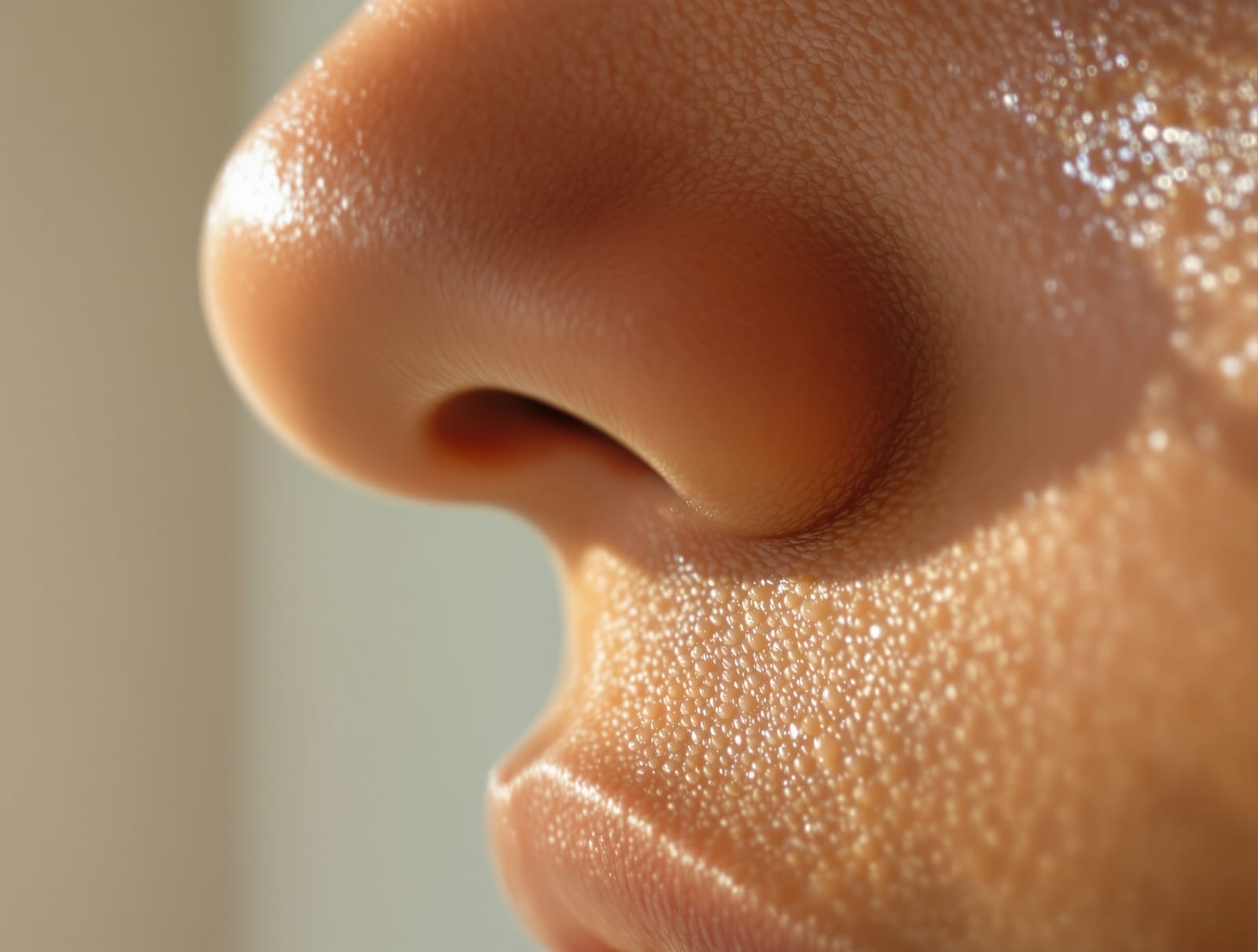
Rosacea is often assumed to be a condition of fair, easily flushing skin, and that assumption causes real harm: in people with richer skin tones, rosacea is frequently missed or diagnosed late.
Why it is under-recognized
The classic teaching images of rosacea show pink-and-red faces on light skin. On brown and Black skin, the redness can be far harder to see, masked by deeper pigment, and may instead present as warmth, swelling, a dusky or violaceous tone, papules and pustules, or a burning sensation. Because both patients and clinicians may not expect rosacea, it gets attributed to acne or other conditions. The American Academy of Dermatology notes that rosacea occurs across skin tones and can be harder to diagnose in darker skin.
The consequences of delay
A missed diagnosis means missed treatment, and sometimes the wrong treatment, with harsh acne products worsening reactive skin. There is also the risk that procedural and prescription decisions are made without accounting for skin tone, for example the need for careful device and setting selection in laser and light treatment to avoid pigment changes. Research on rosacea across diverse populations is collected on PubMed.
What helps
The practical step is to look beyond color. If you have persistent facial warmth, sensitivity, burning, flushing you can feel more than see, or acne-like bumps that do not behave like acne, rosacea is on the table regardless of skin tone. Seek a dermatologist experienced with diverse skin, mention your symptoms in terms of sensation as well as appearance, and ensure any device-based treatment is chosen with your skin tone in mind. Mayo Clinic describes the range of symptoms that point to rosacea.
The takeaway
Rosacea is not limited to fair skin; it is simply harder to spot on darker skin and therefore under-diagnosed. Symptoms of sensation, warmth, burning, sensitivity, and bumps, matter as much as visible redness. A clinician experienced with skin of color is best placed to diagnose and treat it safely.
Related reading: Rosacea, acne, or seborrheic dermatitis?.