
Dispatch · April 30, 2026 · 5 min · By Nolan Achterman
Ocular rosacea: the form that affects your eyes
Gritty, irritated eyes that patients rarely connect to their skin.
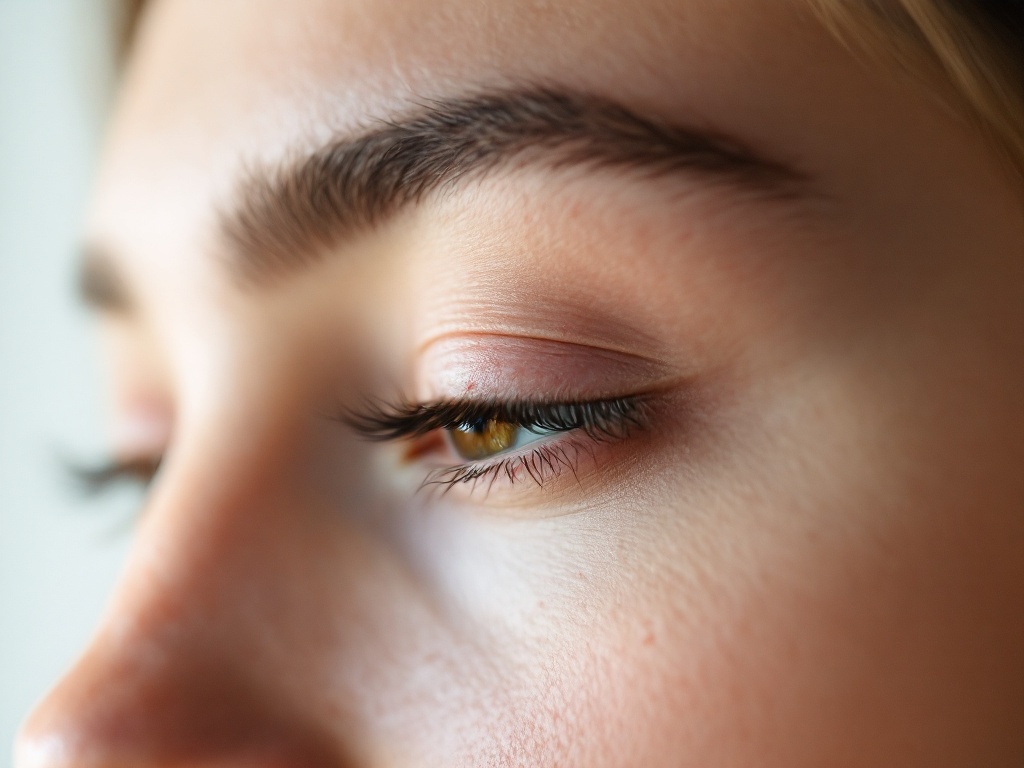
One form of rosacea produces no obvious facial bumps at all and is therefore frequently missed: ocular rosacea, which affects the eyes and eyelids. Patients describe a gritty or burning sensation, dryness, redness of the eye margins, recurrent styes, and light sensitivity, often without realizing it is connected to rosacea.
Left unaddressed, ocular rosacea is not merely uncomfortable; in more severe cases it can affect the cornea and vision, which is why it deserves real attention rather than over-the-counter drops alone. Management combines eyelid hygiene, warm compresses and gentle lid cleansing, with treatments aimed at the underlying inflammation, sometimes including oral anti-inflammatory medication, and coordination with an eye specialist when the eyes are significantly involved. For an independent overview, see Ocular rosacea: how dermatologists and eye doctors manage it.
The takeaway for anyone with facial rosacea is to mention eye symptoms to their dermatologist, and for anyone with chronic unexplained eye irritation to consider that rosacea may be the cause. Treating the skin and the eyes together gives the best result; treating only the face leaves a meaningful part of the condition untouched. Ocular involvement is one of the four subtypes of rosacea, and recognizing it is the first step to treating it.
Related reading: Identifying your rosacea triggers.
A few principles hold across rosacea care. The right plan is the one matched to your subtype, your triggers, and your skin's tolerance, not the strongest product on the shelf. A gentle, barrier-first routine, daily sun protection, and patience matter as much as any single prescription. Ask which subtype is being treated and why a given option fits your case before you start.
Outcomes also depend on realistic staging. Rosacea is managed rather than cured, most plans are a planned series of small steps rather than one fix, and redness and bumps settle over weeks to months as the skin calms. A careful consultation should set that timeline out in plain terms, name the expected recovery, and explain the plan if irritation appears.
For independent background on this topic, see Ocular rosacea: how dermatologists and eye doctors manage it, and review the full source list below. This article is editorial reporting and is not a substitute for a consultation with a board-certified dermatologist.