
Field Notes · March 23, 2026 · 6 min · By Pascal Winterhalter
The four types of rosacea, and why your treatment depends on it
Redness, bumps, visible vessels, and eye involvement are treated differently.
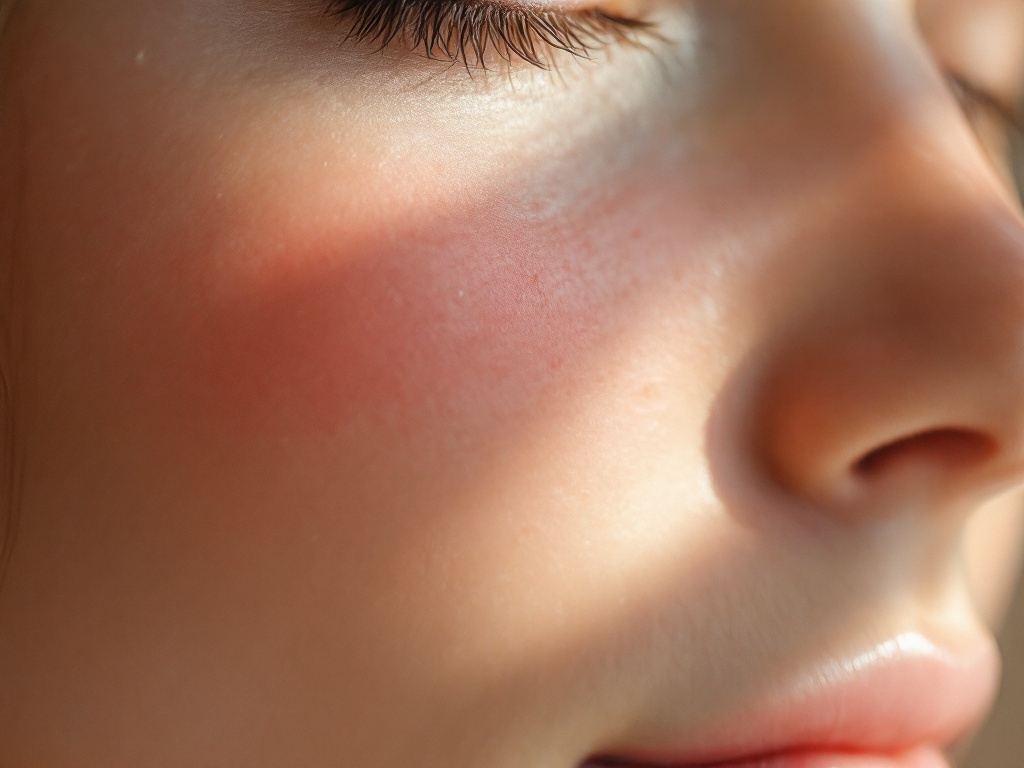
Rosacea is not one condition but a spectrum, and lumping it together is why so many people use the wrong products. Dermatologists describe several overlapping patterns, and the dominant one points to the treatment.
The flushing-and-redness pattern is persistent facial redness with easy blushing and, over time, visible broken vessels. The bumps-and-pimples pattern looks like acne, inflamed papules and pustules across the central face, but lacks blackheads. A third pattern thickens the skin, classically of the nose. And ocular rosacea affects the eyes, causing grittiness, dryness, and irritation, often missed because patients do not connect it to their skin. For an independent overview, see Rosacea treatment: topical and oral options.
These respond to different tools: redness and vessels to lasers and certain prescriptions; the acne-like bumps to topical and oral anti-inflammatories; thickened skin to procedural treatment; ocular rosacea to eye-directed care. Most people have a blend. Identifying which patterns dominate yours is the difference between a routine that calms your face and one that aggravates it.
A few principles hold across rosacea care. The right plan is the one matched to your subtype, your triggers, and your skin's tolerance, not the strongest product on the shelf. A gentle, barrier-first routine, daily sun protection, and patience matter as much as any single prescription. Ask which subtype is being treated and why a given option fits your case before you start.
Outcomes also depend on realistic staging. Rosacea is managed rather than cured, most plans are a planned series of small steps rather than one fix, and redness and bumps settle over weeks to months as the skin calms. A careful consultation should set that timeline out in plain terms, name the expected recovery, and explain the plan if irritation appears.
For independent background on this topic, see Rosacea treatment: topical and oral options, and review the full source list below. This article is editorial reporting and is not a substitute for a consultation with a board-certified dermatologist.
Keep reading