

Features Editor · Editorial staff
Pascal Winterhalter
Shapes the publication's long-form features on rosacea treatment and the people making those decisions.
10 stories by Pascal Winterhalter
 Field Notes
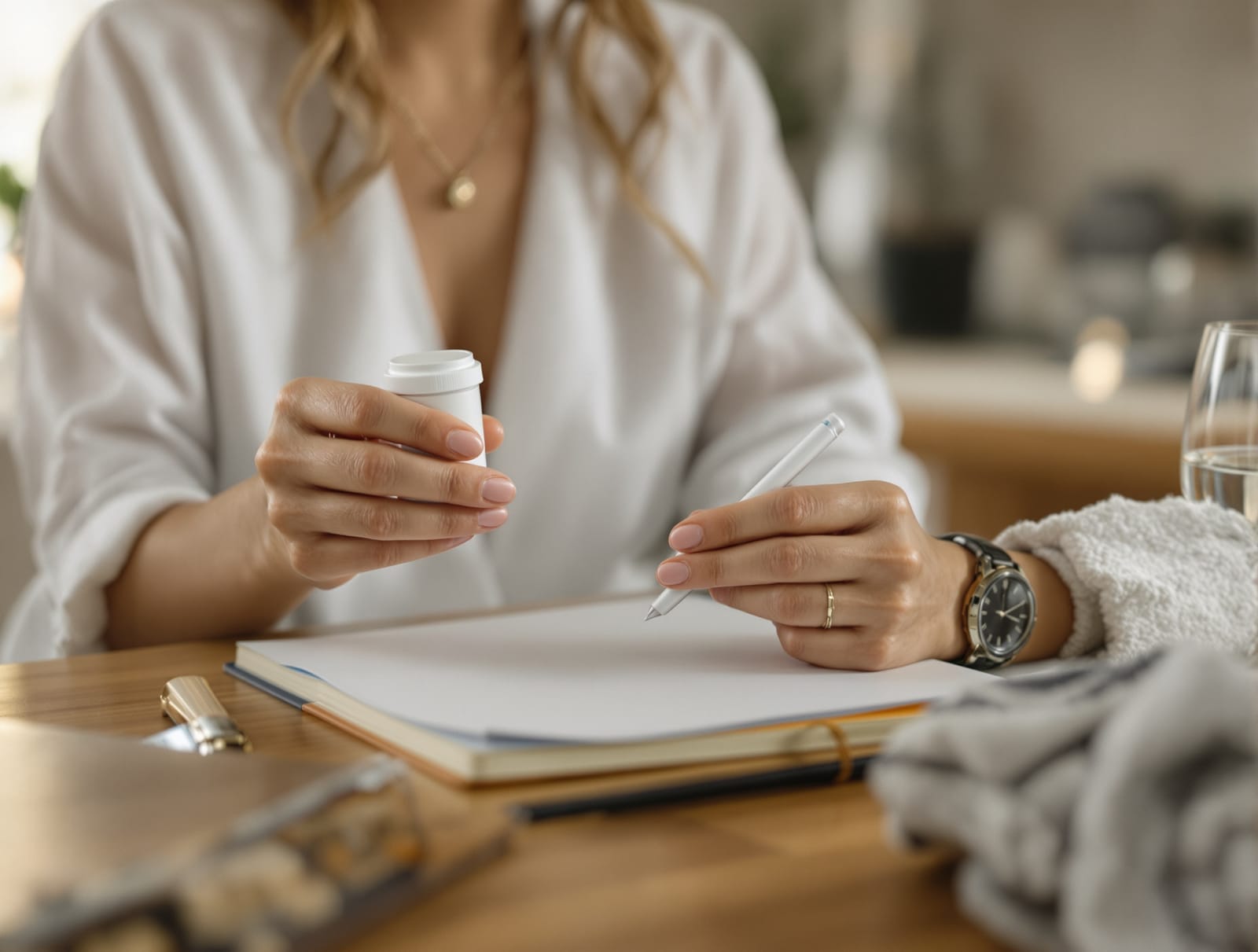
The Prescription Audit: When Your Worst Flushes Are Coming From the Pharmacy, Not the Kitchen
Rosacea trigger lists are built around wine, heat, and spicy food. They almost never mention that several extremely common prescriptions are direct vasodilators, which is why some people eliminate every food on the list and still flush at nine every morning.
· 7 min · Pascal Winterhalter
 Field Notes
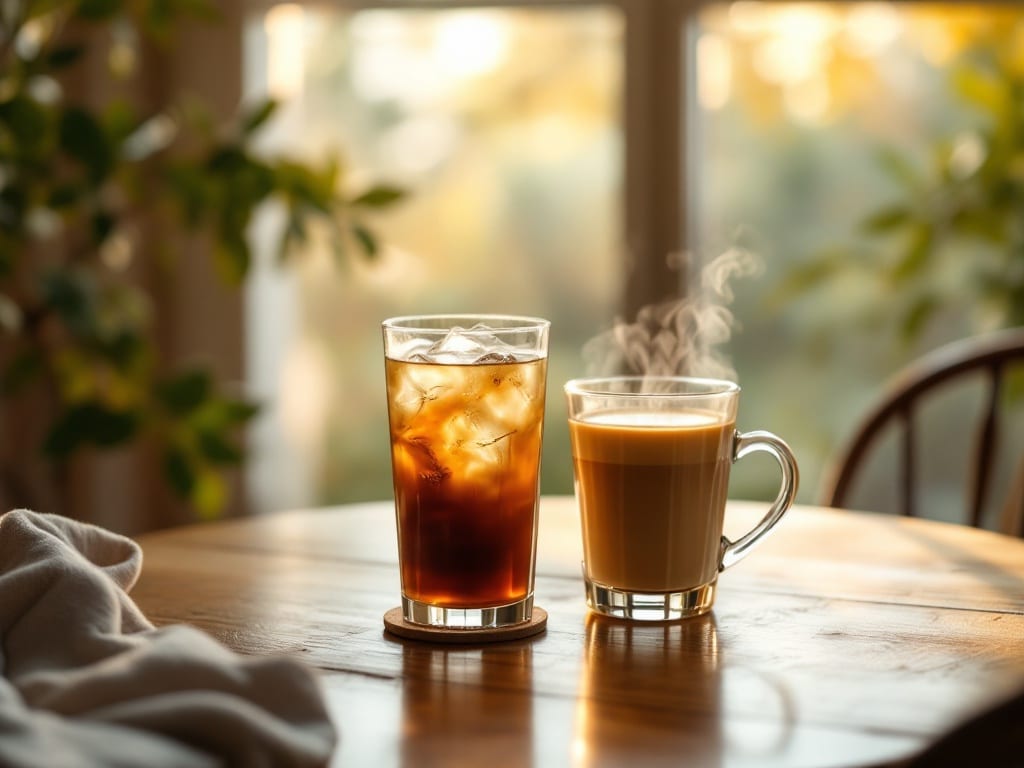
Coffee, caffeine, and rosacea: the trigger that might actually help
Hot drinks can set off a flush. Caffeine itself may lower rosacea risk. Both things can be true.
· 6 min · Pascal Winterhalter
 Field Notes
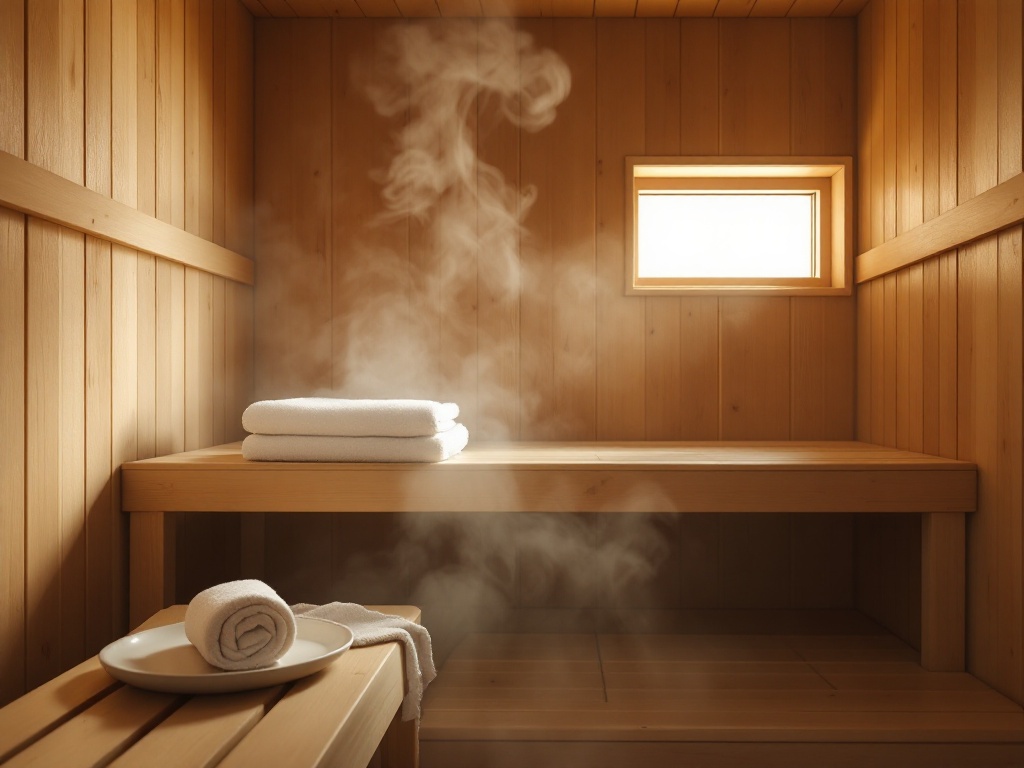
Saunas, Hot Yoga, and Rosacea: Managing Deliberate Heat
Heat is one of rosacea's most reliable triggers, and wellness culture keeps inventing new ways to get hot on purpose. How to negotiate.
· 5 min · Pascal Winterhalter
 Field Notes
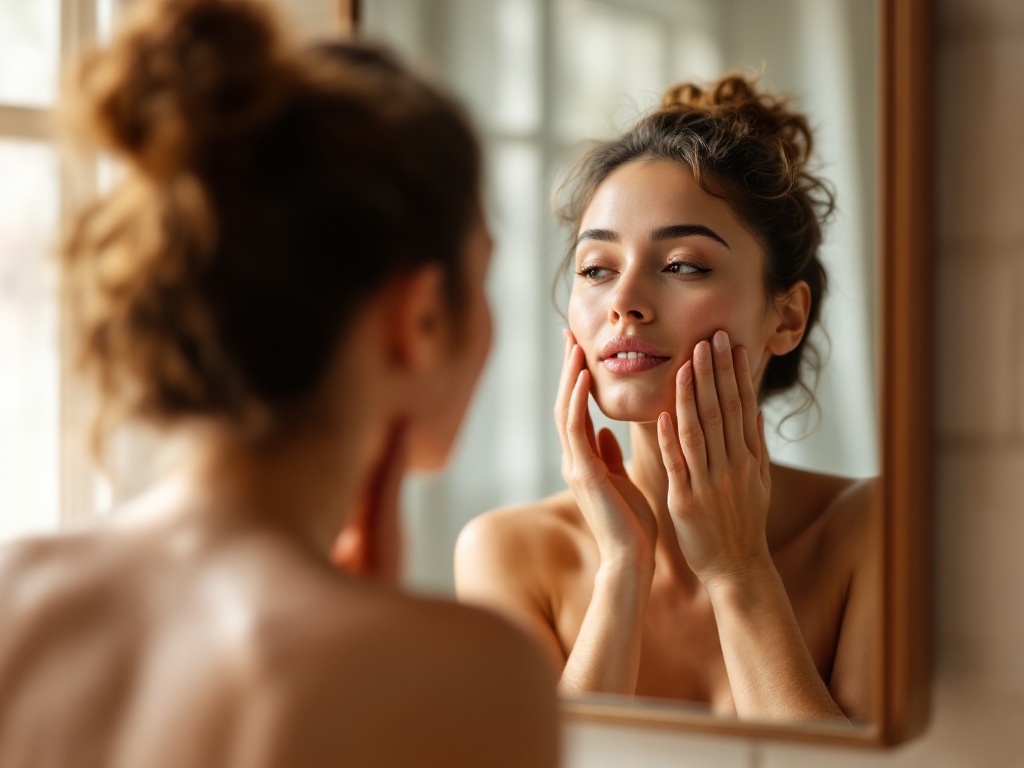
Managing rosacea long term: control, not cure
A chronic condition that responds well to a steady, personalized plan.
· 5 min · Pascal Winterhalter
 Field Notes
Seven rosacea myths, corrected
From the drinking myth to the scrubbing myth, what the evidence says.
· 6 min · Pascal Winterhalter
 Field Notes
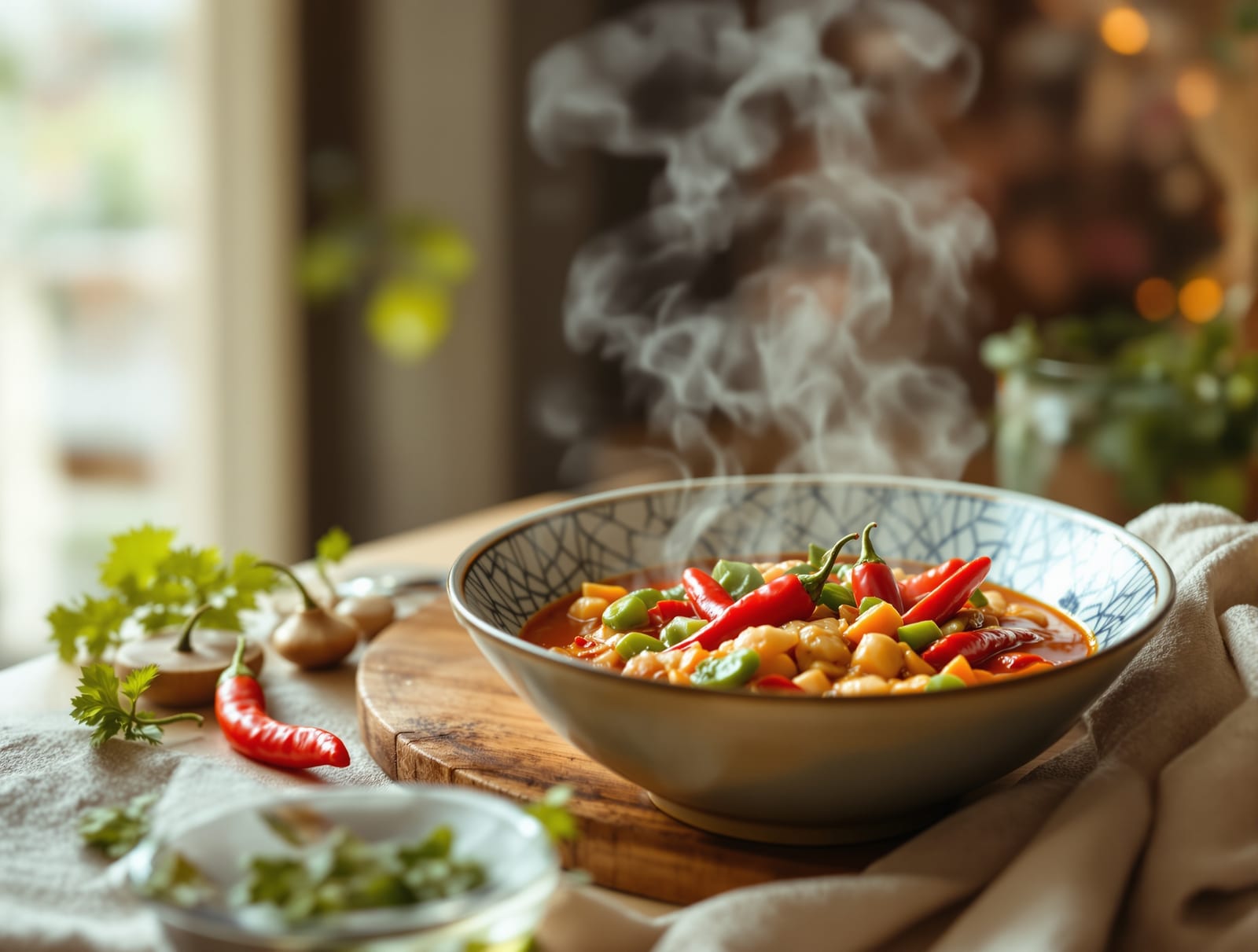
Spicy food and rosacea: the heat and capsaicin flush
Hot, spicy meals trigger flushing through both temperature and capsaicin.
· 5 min · Pascal Winterhalter
 Field Notes
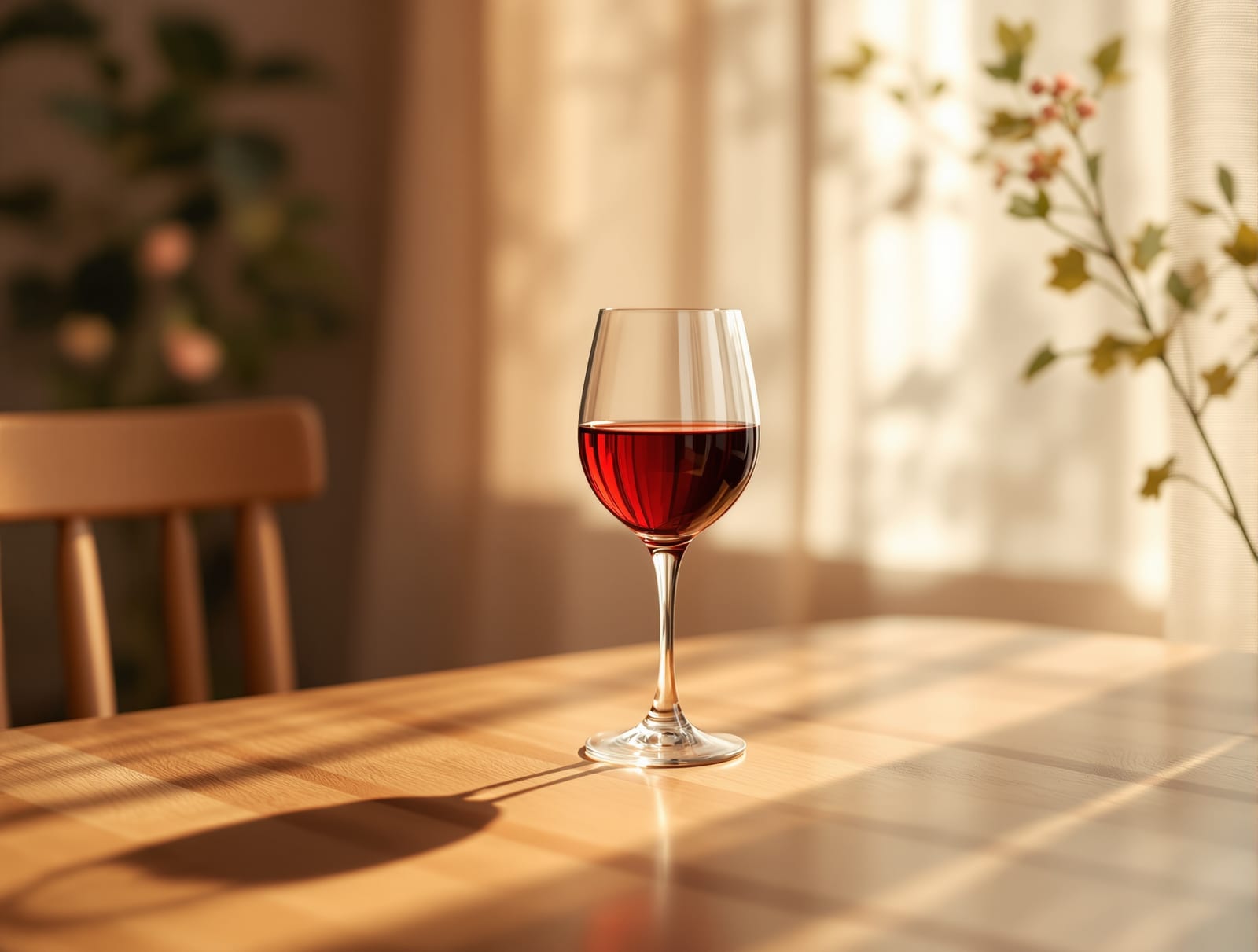
Alcohol and rosacea: why red wine is the usual suspect
Alcohol dilates facial vessels, and red wine tops most trigger surveys.
· 5 min · Pascal Winterhalter
 Field Notes
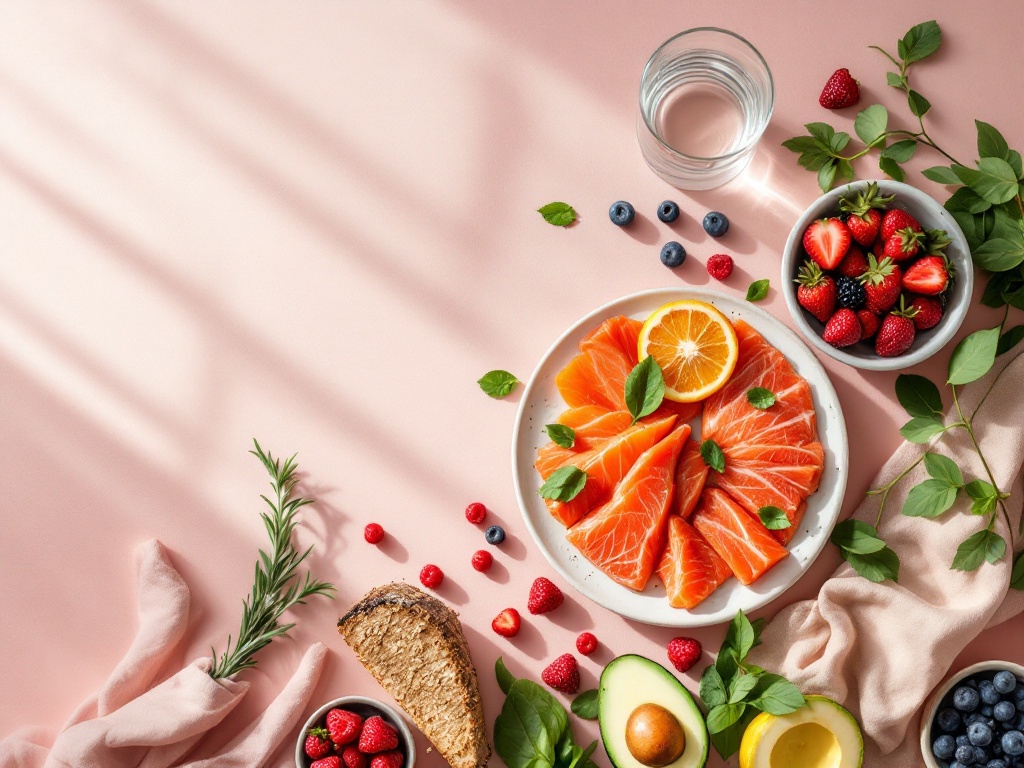
Diet, the gut, and rosacea: what the evidence supports
Beyond trigger foods, emerging links between rosacea and the gut.
· 5 min · Pascal Winterhalter
 Field Notes
Building a gentle rosacea skincare routine
Barrier repair and sun protection beat actives for reactive skin.
· 5 min · Pascal Winterhalter
 Field Notes
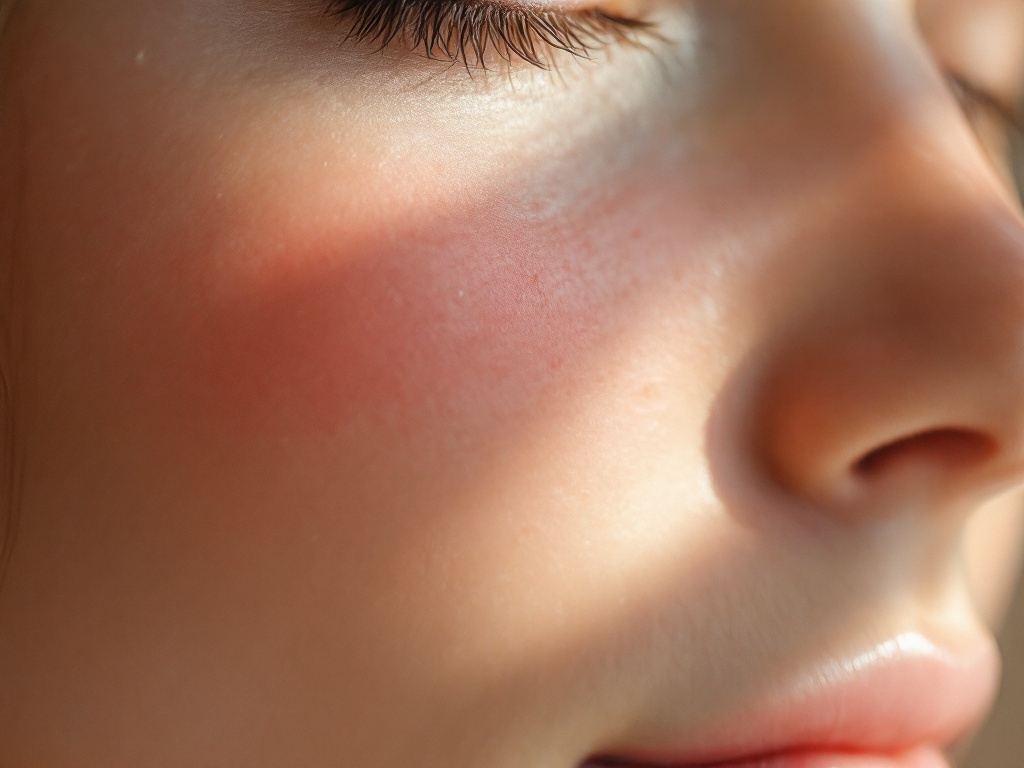
The four types of rosacea, and why your treatment depends on it
Redness, bumps, visible vessels, and eye involvement are treated differently.
· 6 min · Pascal Winterhalter