
Explainer · July 29, 2026 · 4 min · By Nolan Achterman
Ivermectin vs. Metronidazole for Rosacea: What Head-to-Head Data Actually Shows
Two of the most prescribed topicals for papulopustular rosacea work through different mechanisms and have been directly compared in clinical trials. Here is a plain-English breakdown of how they differ, and how clinicians decide between them.
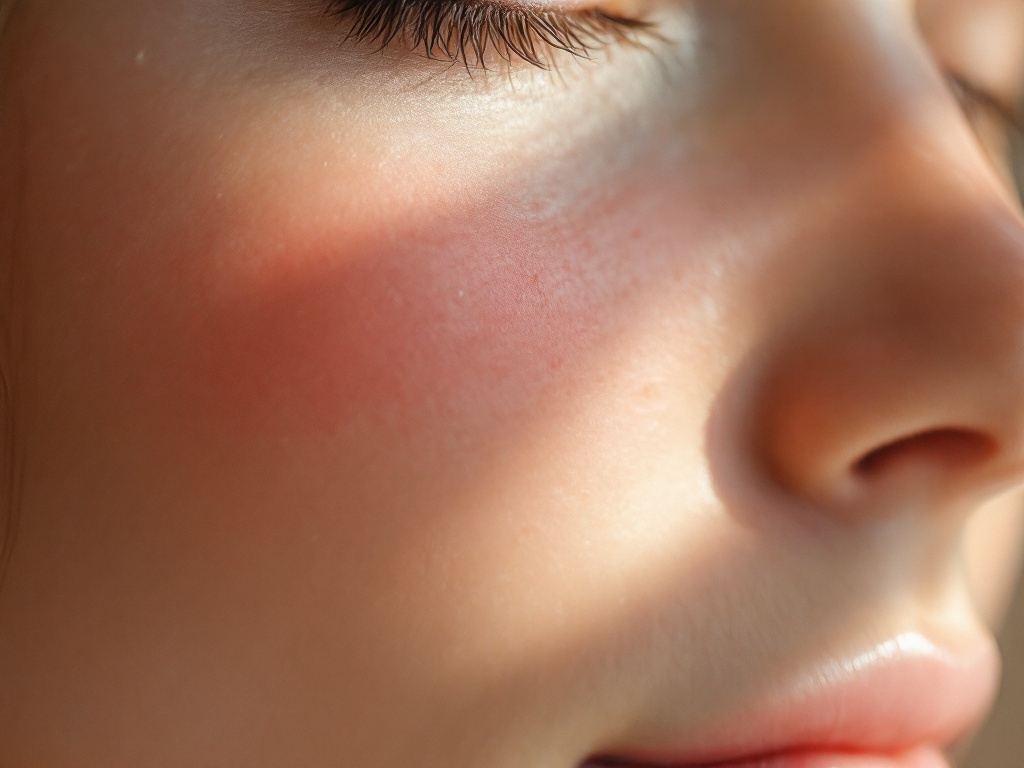
Ask a dermatologist to name the workhorse topicals for papulopustular rosacea, the subtype defined by red bumps and pus-filled lesions, and two names come up almost immediately: topical metronidazole and topical ivermectin. Both are approved for rosacea, both are applied to the face, and both reduce inflammatory lesions. But they are not interchangeable, and one of the more useful data points in rosacea care is that they have actually been tested against each other in a randomized trial.
How each one works For an independent overview, see Rosacea treatment: topical and oral options.
Metronidazole, available as a 0.75 percent or 1 percent gel, cream, or lotion, is technically an antibiotic, but that label is misleading in this context. At the concentrations used on skin, its benefit in rosacea is thought to come mostly from anti-inflammatory and antioxidant activity, including effects on neutrophils, the immune cells that drive pustule formation. It has been in use since the late 1980s, so its long-term safety profile is well characterized.
Ivermectin 1 percent cream works differently. It is an antiparasitic that kills Demodex mites, microscopic organisms that live in facial hair follicles in nearly everyone. People with rosacea tend to carry higher Demodex densities, and mite fragments and their bacterial passengers appear to trigger the innate immune system in susceptible skin. Ivermectin also has direct anti-inflammatory properties of its own, reducing certain inflammatory signaling pathways in the skin. So it attacks the problem from two angles: it lowers the mite burden and it calms the immune response.
The head-to-head evidence
A 16-week randomized, investigator-blinded trial comparing ivermectin 1 percent cream once daily against metronidazole 0.75 percent cream twice daily in moderate to severe papulopustular rosacea found that ivermectin produced a greater reduction in inflammatory lesion counts, roughly 83 percent versus 74 percent, and a higher proportion of patients rated clear or almost clear. An extension study following the same patients found that those who cleared on ivermectin also stayed clear longer after stopping treatment, with a longer median time to relapse than the metronidazole group.
That does not make metronidazole obsolete. The absolute differences, while statistically meaningful, were moderate. Metronidazole remains effective for many patients, is inexpensive in generic form, has decades of safety data, and requires no concern about mite biology at all.
Practical differences that matter to patients
Dosing is one. Ivermectin is once daily, metronidazole is often twice daily depending on the formulation. For patients who struggle with adherence, a once-daily routine is a real advantage.
Tolerability is another. Both are generally well tolerated, with mild burning, stinging, or dryness as the most common complaints. One ivermectin-specific issue worth knowing: some patients experience a temporary flare in the first one to two weeks, sometimes attributed to the immune response as mites die off. This usually settles on its own, but patients who are not warned about it often assume the drug is failing and quit early. Clinicians typically advise pushing through unless the reaction is severe.
Speed and expectations also matter. Neither drug works overnight. Meaningful improvement typically takes four or more weeks, and trials run 12 to 16 weeks for a reason. Stopping at week three because the mirror has not changed is one of the most common reasons topical rosacea therapy appears to fail.
How clinicians tend to choose
There is no universal algorithm, but some patterns are common. Ivermectin is often favored for moderate to severe papulopustular disease, for patients with signs suggesting high Demodex involvement, such as follicular scaling or itch, or for those who did not respond adequately to metronidazole. Metronidazole remains a reasonable first choice for milder disease, for cost-sensitive patients, or when a long safety track record is the priority. Some clinicians also rotate or combine strategies over time, since rosacea is chronic and relapsing by nature.
One point both drugs share: neither treats the background redness or visible blood vessels of rosacea. Persistent erythema and telangiectasias respond to different tools, such as alpha-adrenergic topicals or vascular laser and light devices. Patients expecting a pump bottle to erase diffuse facial redness will be disappointed regardless of which cream they choose, because that is not what these medications do mechanistically.
The bottom line
Direct comparative data gives ivermectin a modest edge in lesion clearance and remission duration for papulopustular rosacea, likely because it targets both Demodex mites and inflammation. Metronidazole remains a solid, affordable, well-tolerated option with a longer track record. The best choice depends on disease severity, cost, adherence habits, and prior treatment response, which is exactly the kind of decision worth making with a clinician who can examine the skin rather than guess from a product label. Whatever the choice, consistent daily use for at least three months, alongside sun protection and trigger management, is what gives either drug a fair chance to work.
More in Explainer
View all →- Metronidazole, Azelaic Acid, or Ivermectin: How the Three Workhorse Topicals for Rosacea Actually Compare
- Ivermectin, Metronidazole, or Azelaic Acid: How the Three First-Line Topicals for Rosacea Actually Compare
- Ivermectin, Metronidazole, or Azelaic Acid: How the Three Big Topicals for Rosacea Actually Differ
- Ivermectin, Metronidazole, or Azelaic Acid: How the Three Big Topicals for Rosacea Actually Compare