
Explainer · July 28, 2026 · 4 min · By Nolan Achterman
Ivermectin vs. Metronidazole for Rosacea: What the Head-to-Head Data Actually Shows
Two of the most prescribed topicals for papulopustular rosacea work through different mechanisms and are not interchangeable. Here is what the comparative trials found, and how clinicians decide between them.
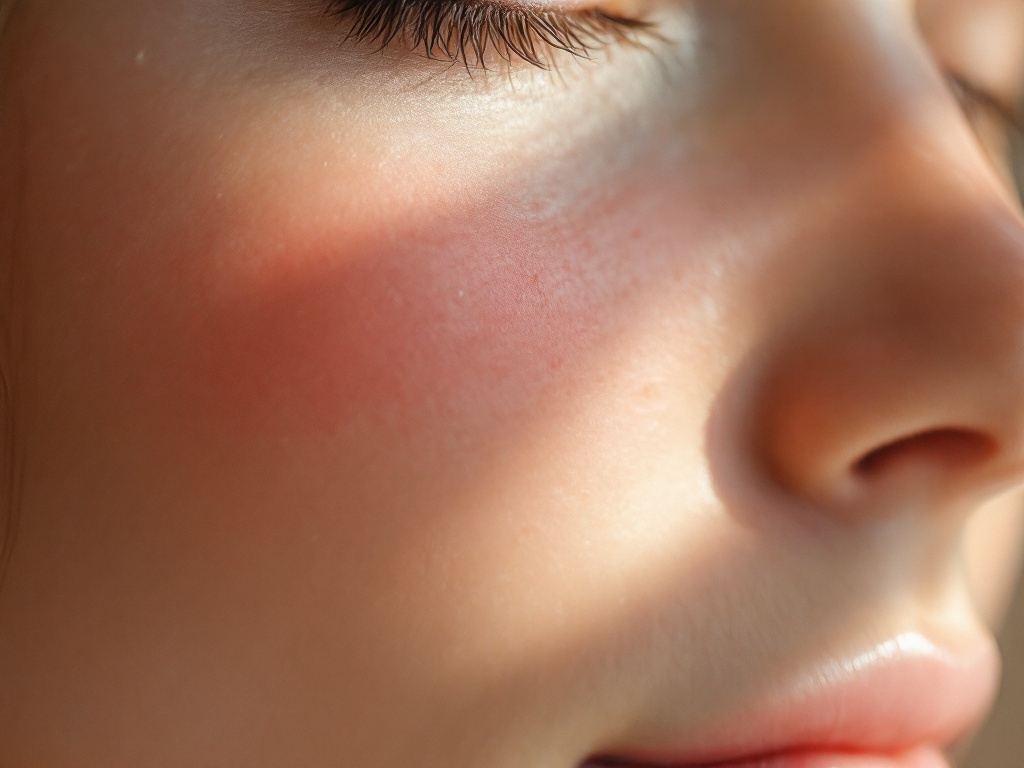
For decades, metronidazole was the default topical prescription for the bumps and pimples of papulopustular rosacea. Then topical ivermectin 1% cream arrived, backed by a large head-to-head trial that shifted many prescribing habits. Patients frequently ask whether one is genuinely better or whether the difference is marketing. The comparative evidence is unusually clear for dermatology, and it is worth walking through what each drug actually does and what the trials measured.
Two different mechanisms, one overlapping target For an independent overview, see Rosacea treatment: topical and oral options.
Metronidazole, used topically at 0.75% or 1%, is technically an antibiotic, but its benefit in rosacea is not believed to come from killing bacteria. At the concentrations achieved in skin, its main relevant action appears to be anti-inflammatory: it reduces reactive oxygen species generated by neutrophils, the immune cells that drive much of the redness and pustule formation in a rosacea flare. Think of it as dampening the oxidative side of the inflammatory cascade.
Ivermectin 1% cream works on two fronts. First, it is an antiparasitic that kills Demodex mites, the microscopic organisms that live in human hair follicles. Demodex density is consistently higher in rosacea-affected skin than in unaffected skin, and the mites, along with bacteria they carry, are thought to trigger innate immune activation through toll-like receptor pathways. Second, ivermectin has direct anti-inflammatory effects of its own, reducing inflammatory cytokine production independent of its antiparasitic action. So one drug addresses a suspected upstream trigger plus downstream inflammation, while the other addresses inflammation alone.
What the comparison trial found
The key study is a randomized, investigator-blinded trial of just under a thousand patients with moderate to severe papulopustular rosacea, comparing ivermectin 1% cream once daily against metronidazole 0.75% cream twice daily over 16 weeks. Ivermectin came out ahead on the primary endpoint: roughly an 83% reduction in inflammatory lesion count versus about 74% for metronidazole. More patients on ivermectin reached clear or almost clear skin on investigator assessment.
An extension of that study followed patients after treatment stopped and found that those who had used ivermectin stayed in remission longer before relapsing. That relapse finding is mechanistically plausible: if elevated Demodex density is a persistent trigger, reducing the mite population may buy a longer symptom-free window than suppressing inflammation alone.
Two caveats matter. First, metronidazole still worked well. A 74% lesion reduction is a meaningful clinical result, and many patients do fine on it. Second, the trial compared ivermectin against the 0.75% strength of metronidazole, not the 1% formulation, though available data suggest the two metronidazole strengths perform similarly.
Practical differences beyond efficacy
Dosing is simpler with ivermectin: once daily versus twice daily for most metronidazole formulations, which matters for adherence. Tolerability is good for both. Burning, stinging, and dryness occur at low rates with each, and in trials ivermectin was tolerated at least as well as metronidazole, which is notable because rosacea skin tends to react to almost everything.
Cost and access often decide the question in practice. Metronidazole has been generic for years and is usually inexpensive. Ivermectin cream is now available generically in many markets, but coverage and pricing vary, and some insurers still require patients to try metronidazole first.
One more clinical nuance: some patients experience a transient worsening in the first weeks of ivermectin therapy, sometimes attributed to inflammation from dying mites. It typically settles, but patients who are not warned may abandon treatment prematurely.
Where azelaic acid fits
Azelaic acid 15% gel or foam is the third major topical in this space, working through anti-inflammatory and anti-keratinizing effects. Network analyses generally rank ivermectin first for lesion clearance, with azelaic acid and metronidazole close behind each other. Azelaic acid causes more initial tingling, which some patients cannot tolerate and others do not mind.
The bottom line
For papulopustular rosacea, topical ivermectin has the strongest comparative evidence for both degree of clearance and duration of remission, likely because it targets a suspected trigger rather than only the inflammatory response. Metronidazole remains a reasonable, affordable, well-tolerated option, especially for milder disease or where cost is the deciding factor. Neither treats the background redness of erythematotelangiectatic rosacea, which responds better to alpha-adrenergic topicals or vascular laser approaches, and neither replaces trigger management: sun protection, gentle skin care, and identifying individual flare triggers remain the foundation regardless of which cream is on the prescription.
Related reading: Ivermectin vs. Metronidazole: What the Evidence Actually Says About Rosacea's Two Workhorse Topicals.
More in Explainer
View all →- Metronidazole, Azelaic Acid, or Ivermectin: How the Three Workhorse Topicals for Rosacea Actually Compare
- Ivermectin, Metronidazole, or Azelaic Acid: How the Three First-Line Topicals for Rosacea Actually Compare
- Ivermectin, Metronidazole, or Azelaic Acid: How the Three Big Topicals for Rosacea Actually Differ
- Ivermectin, Metronidazole, or Azelaic Acid: How the Three Big Topicals for Rosacea Actually Compare