
Explainer · July 29, 2026 · 5 min · By Nolan Achterman
Ivermectin, Metronidazole, or Azelaic Acid: How the Three Big Topicals for Rosacea Actually Compare
All three are first-line prescriptions for the bumps and pimples of rosacea, but they work through different mechanisms and suit different patients. Here is what the evidence says about choosing among them.
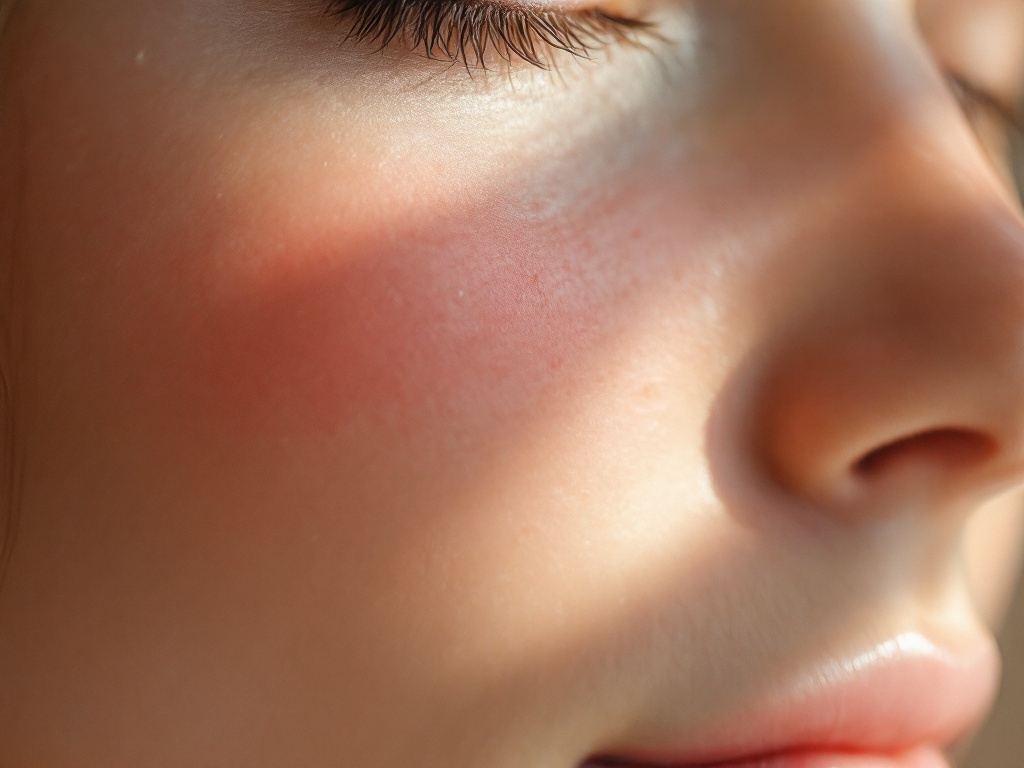
If you have papulopustular rosacea, the subtype marked by red bumps and pus-filled spots across the central face, your dermatologist will almost certainly reach for one of three topical prescriptions: ivermectin 1% cream, metronidazole 0.75% or 1%, or azelaic acid 15% gel or foam. All three are considered first-line. All three have decades or, in ivermectin's case, a decade of trial data behind them. But they are not interchangeable, and understanding how each one works helps explain why one may suit you better than another.
What each drug is actually doing For an independent overview, see Rosacea treatment: topical and oral options.
Metronidazole is the oldest of the three, in use for rosacea since the 1980s. Although it is technically an antibiotic, its benefit in rosacea appears to have little to do with killing bacteria at the concentrations used on skin. Instead, it acts as an anti-inflammatory, reducing reactive oxygen species produced by neutrophils, the immune cells that drive much of the visible inflammation in a rosacea flare. Think of it as dialing down the skin's oxidative stress rather than sterilizing anything.
Azelaic acid is a naturally occurring dicarboxylic acid. It has several proposed mechanisms: it inhibits kallikrein-5, an enzyme that is overactive in rosacea skin and that generates cathelicidin peptides linked to redness and inflammation. It also reduces reactive oxygen species and has mild keratolytic activity, meaning it normalizes how skin cells shed. That kallikrein pathway is notable because it targets a step that researchers believe sits close to the root of rosacea's inflammatory cascade.
Ivermectin is the newest, approved for rosacea in 2014. It does two things at once. First, it is an antiparasitic that kills Demodex mites, the microscopic organisms that live in facial hair follicles and are found in higher densities on rosacea-affected skin. Second, it has direct anti-inflammatory effects, suppressing inflammatory cytokines independent of any mite activity. Whether Demodex causes rosacea or simply thrives in it remains debated, but reducing mite density correlates with clinical improvement in many patients.
What the head-to-head data shows
The most cited direct comparison is a large randomized trial that pitted ivermectin 1% cream once daily against metronidazole 0.75% cream twice daily over 16 weeks. Ivermectin came out ahead, with a greater reduction in inflammatory lesions and higher rates of clear or almost clear skin. Network meta-analyses that pool multiple trials generally support this ranking, placing ivermectin at or near the top for papulopustular disease, with azelaic acid and metronidazole close behind and roughly comparable to each other.
That said, the absolute differences are moderate, not dramatic. All three beat placebo convincingly, and plenty of patients do well on metronidazole or azelaic acid. Effect size in a trial is not the only variable that matters in a bathroom cabinet.
Tolerability, texture, and practical trade-offs
Metronidazole is generally the gentlest of the three and is often the default for patients with very reactive skin. It is also widely available as an inexpensive generic, which matters for a condition treated over years, not weeks.
Azelaic acid commonly causes transient stinging, tingling, or burning when first applied. For most people this fades within the first few weeks of use, but a minority find it intolerable. Its bonus feature is modest improvement in post-inflammatory discoloration, which can be relevant for patients with deeper skin tones where lingering dark marks are a bigger concern than lingering redness.
Ivermectin is dosed once daily, which helps adherence, and its irritation profile in trials was low, in some analyses lower than metronidazole. One quirk worth knowing: some patients experience a temporary flare in the first one to two weeks of ivermectin, sometimes attributed to inflammation from dying mites. It typically settles, but patients who are not warned may abandon the treatment right before it starts working.
What none of them do
This is the part most often misunderstood. These three topicals treat bumps and pimples. They do not meaningfully reduce persistent background redness or visible blood vessels, which are driven by fixed vascular changes rather than active inflammation. Diffuse redness responds to alpha-agonist topicals such as brimonidine or oxymetazoline, and visible vessels respond to vascular laser or intense pulsed light. Expecting ivermectin to erase a red flush sets everyone up for disappointment.
A reasonable way to think about the choice
If inflammatory lesions are the main problem and cost is not a barrier, ivermectin has the strongest comparative evidence. If skin is highly sensitive or budget is tight, metronidazole is a sound, well-tolerated workhorse. If there is accompanying discoloration or a preference for a non-antibiotic, non-antiparasitic option, azelaic acid earns its place. Combination approaches, such as pairing a topical with a short course of low-dose oral doxycycline for stubborn disease, are common and well supported.
Whichever agent you and your clinician choose, give it time. Trials measure outcomes at 12 to 16 weeks, and improvement is gradual. Rosacea is a chronic, relapsing condition, and the topical that keeps you clear is usually the one you can tolerate, afford, and actually use every day.
Keep reading
Azelaic Acid vs. Metronidazole: How the Two Workhorse Topicals Actually Compare
Read nextMore in Explainer
View all →- Metronidazole, Azelaic Acid, or Ivermectin: How the Three Workhorse Topicals for Rosacea Actually Compare
- Ivermectin, Metronidazole, or Azelaic Acid: How the Three First-Line Topicals for Rosacea Actually Compare
- Ivermectin, Metronidazole, or Azelaic Acid: How the Three Big Topicals for Rosacea Actually Differ
- Azelaic Acid vs. Metronidazole: How the Two Workhorse Topicals Actually Compare