
Explainer · July 30, 2026 · 4 min · By Nolan Achterman
Ivermectin, Metronidazole, or Azelaic Acid: How the Three Big Topicals for Rosacea Actually Differ
All three are first-line prescriptions for the bumps and pimples of rosacea, but they work through different mechanisms and suit different patients. Here is what the evidence says, without the marketing gloss.
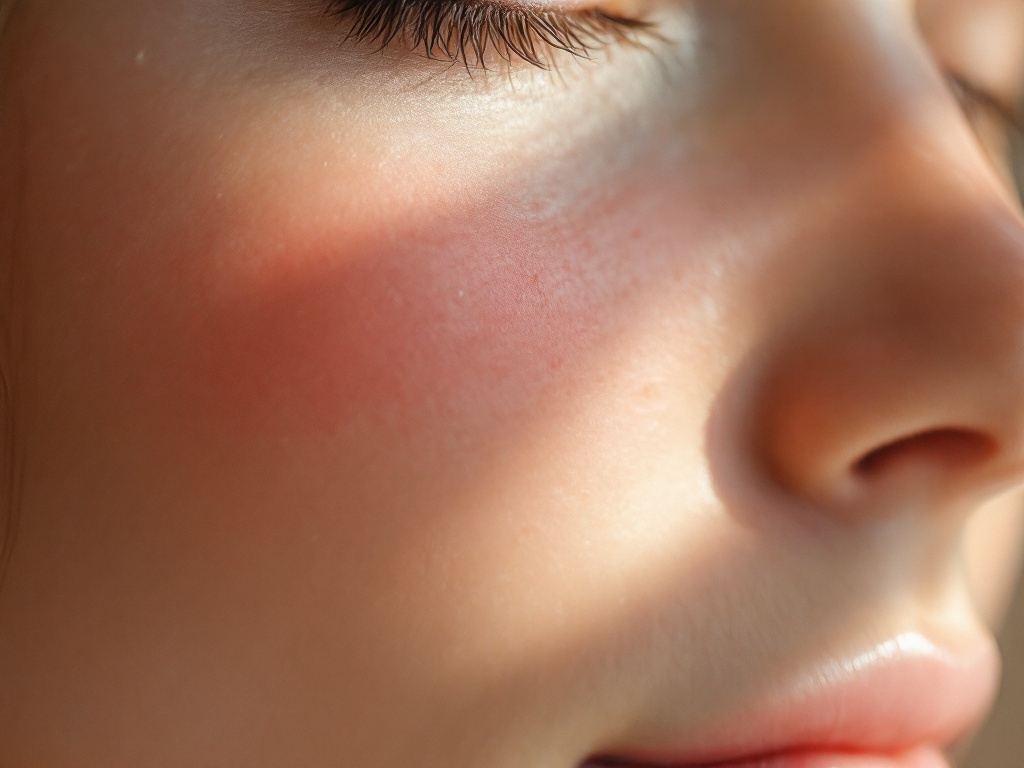
If you have papulopustular rosacea, the subtype marked by red bumps and pus-filled spots across the central face, your dermatologist will almost certainly reach for one of three topical prescriptions: ivermectin 1% cream, metronidazole 0.75% or 1%, or azelaic acid 15% gel or foam. All three carry regulatory approval, all three have decades or at least a decade of clinical data behind them, and all three are considered first-line. But they are not interchangeable, and understanding why can save patients months of trial and error.
Start with the mechanisms, because they explain the differences. Ivermectin does two things at once. It is an antiparasitic that kills Demodex folliculorum, the microscopic mite that lives in facial hair follicles and is found in significantly higher densities on rosacea-affected skin. It is also directly anti-inflammatory, reducing production of inflammatory signaling proteins in the skin. The mite connection matters: fragments of Demodex and the bacteria they carry appear to trigger the overactive innate immune response, particularly the cathelicidin pathway, that drives rosacea flares in susceptible people. Ivermectin addresses both the trigger and the response. For an independent overview, see Rosacea treatment: topical and oral options.
Metronidazole, despite being an antibiotic by classification, does not seem to work through antimicrobial action at the concentrations used on skin. Its benefit in rosacea is attributed to anti-inflammatory and antioxidant effects, specifically the neutralization of reactive oxygen species released by immune cells called neutrophils. Those oxygen radicals damage surrounding tissue and perpetuate inflammation. Metronidazole quiets that cascade. It does little or nothing to Demodex populations.
Azelaic acid, a naturally occurring dicarboxylic acid, works on yet another set of pathways. It reduces the expression of kallikrein 5 and cathelicidin, two molecules that are overproduced in rosacea skin and that convert into pro-inflammatory peptides. It also has mild antimicrobial and anti-keratinizing effects. In practical terms, it targets the biochemical machinery of rosacea inflammation somewhat more upstream than metronidazole does.
So which one wins in head-to-head trials? The most cited comparison is a large randomized study that put ivermectin 1% cream directly against metronidazole 0.75% cream over 16 weeks. Ivermectin came out ahead: roughly 83 to 85 percent reduction in inflammatory lesions versus about 74 to 75 percent for metronidazole, with more patients achieving clear or almost clear skin. Follow-up data also suggested longer remission after stopping ivermectin, which fits the mite hypothesis. If the trigger population is knocked down, the inflammation takes longer to rebuild.
Azelaic acid has been compared with metronidazole in several trials, and most found azelaic acid modestly more effective or at least equivalent, though with a trade-off: azelaic acid more often causes transient stinging, burning, or itching on application, especially in the first weeks. Metronidazole is generally the gentlest of the three on sensitive skin, which is no small consideration in a condition defined partly by a compromised skin barrier.
A quick myth-check is worth inserting here. Patients sometimes assume that because metronidazole is an antibiotic, using it long term will breed resistant bacteria on the face. Because its rosacea benefit is not antibacterial and topical concentrations create minimal selective pressure compared with oral antibiotics, resistance concerns with topical metronidazole are considered low. The resistance conversation is far more relevant to long courses of oral tetracyclines, which is one reason low-dose, sub-antimicrobial doxycycline regimens were developed.
Who is the likely best-fit patient for each? Broadly, and always subject to individual clinical judgment: ivermectin is a strong first choice for moderate to severe papulopustular disease, and particularly when Demodex involvement is suspected, such as in patients with follicular scaling or a poor response to other topicals. Azelaic acid is attractive for patients who also have background redness, mild pigmentation concerns, or coexisting acne, since it addresses overlapping pathways. Metronidazole remains a sensible starting point for mild disease, for highly reactive skin that cannot tolerate azelaic acid, and for maintenance after clearance.
Two practical notes apply to all three. First, none of them works quickly. Meaningful improvement typically takes 4 to 8 weeks, with maximum benefit at 12 to 16 weeks. Abandoning a topical at week three is one of the most common reasons treatment appears to fail. Second, none of these agents meaningfully treats the persistent background redness or visible vessels of erythematotelangiectatic rosacea. Those features respond to different tools, including brimonidine or oxymetazoline for temporary redness reduction and vascular laser or intense pulsed light for telangiectasias.
The honest summary: ivermectin currently has the strongest comparative efficacy data for inflammatory lesions, azelaic acid offers broad mechanism coverage with some tolerability cost, and metronidazole trades a bit of potency for gentleness and a long safety record. All three are reasonable. The right one depends on lesion severity, skin sensitivity, and what the individual patient can apply consistently for months, because in rosacea, consistency is the variable that trials cannot fix for you.
Related reading: Ivermectin, Metronidazole, or Azelaic Acid: How the Three Main Topicals for Rosacea Actually Differ.
Keep reading
Ivermectin, Metronidazole, or Azelaic Acid: How the Three Big Topicals for Rosacea Actually Compare
Read nextMore in Explainer
View all →- Metronidazole, Azelaic Acid, or Ivermectin: How the Three Workhorse Topicals for Rosacea Actually Compare
- Ivermectin, Metronidazole, or Azelaic Acid: How the Three First-Line Topicals for Rosacea Actually Compare
- Ivermectin, Metronidazole, or Azelaic Acid: How the Three Big Topicals for Rosacea Actually Compare
- Azelaic Acid vs. Metronidazole: How the Two Workhorse Topicals Actually Compare