
Explainer · July 16, 2026 · 5 min · By Nolan Achterman
Ivermectin, Metronidazole, or Azelaic Acid: How the Three Main Topicals for Rosacea Actually Differ
All three prescription creams treat the bumps and pimples of papulopustular rosacea, but they work through different mechanisms, on different timelines, and with different trade-offs. Here is what the evidence says about choosing among them.
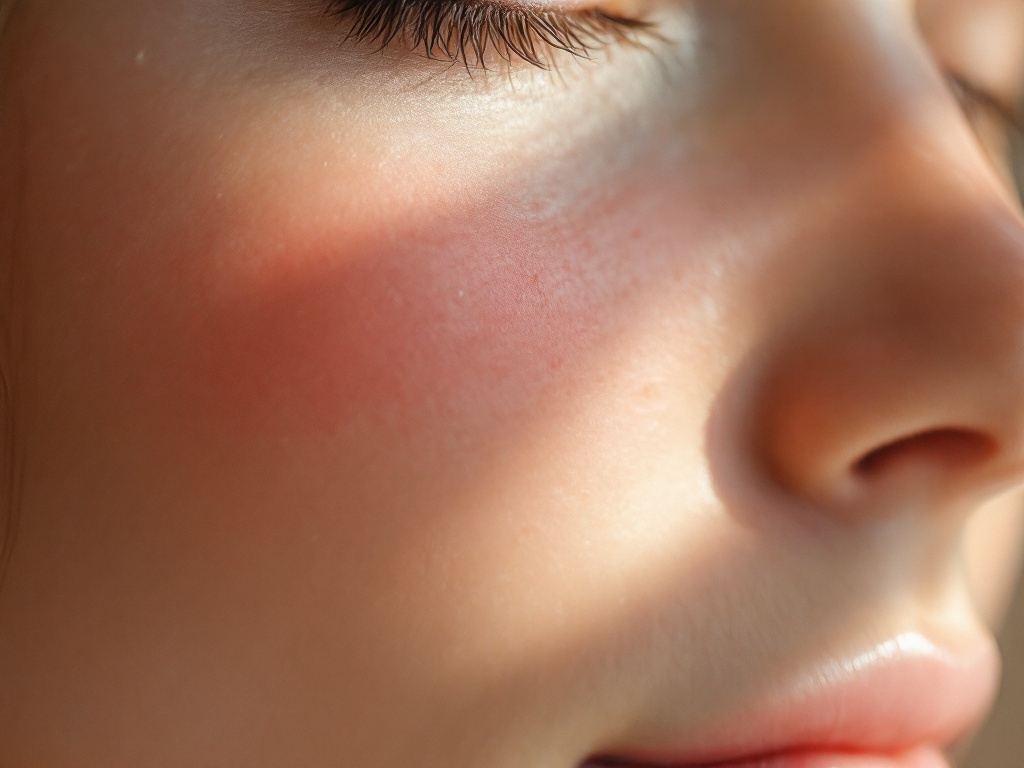
Ask a dermatologist to treat the inflammatory bumps of rosacea and you will almost certainly leave with one of three topical prescriptions: ivermectin 1 percent cream, metronidazole 0.75 or 1 percent, or azelaic acid 15 percent gel or foam. They are frequently discussed as interchangeable, but they are not. Each targets a different part of the disease biology, and understanding those differences helps explain why one may work when another has failed.
What each one actually does For an independent overview, see Rosacea treatment: topical and oral options.
Metronidazole is the oldest of the three, approved decades ago, and its mechanism in rosacea has little to do with its antibiotic action. At the concentrations used on skin, it appears to work mainly as an anti-inflammatory agent, reducing reactive oxygen species produced by neutrophils, the white blood cells that drive much of the redness and swelling in a rosacea papule. It is not meaningfully killing bacteria on the face.
Azelaic acid is a naturally occurring dicarboxylic acid with several overlapping actions. It dampens the kallikrein 5 and cathelicidin pathway, an innate immune signaling cascade that runs abnormally hot in rosacea skin and generates pro-inflammatory peptides. It also reduces reactive oxygen species and has mild keratolytic effects, meaning it helps normalize how skin cells shed. That combination makes it a reasonable choice when inflammation and rough skin texture coexist.
Ivermectin is the newest and works on two fronts. It is directly anti-inflammatory, suppressing inflammatory cytokine production, and it is antiparasitic against Demodex folliculorum, the microscopic mite that lives in human hair follicles. People with papulopustular rosacea carry Demodex at densities roughly five to ten times higher than people without the condition, and the mites, along with bacteria they carry, appear to trigger the innate immune overreaction that produces lesions. Ivermectin is the only one of the three that addresses this trigger directly.
What head-to-head trials show
The most informative comparison comes from a large randomized trial that pitted ivermectin 1 percent once daily against metronidazole 0.75 percent twice daily over 16 weeks. Ivermectin produced a greater reduction in inflammatory lesion counts, around 83 percent versus 74 percent, and more patients reached clear or almost clear skin. Follow-up data also suggested longer remission after stopping ivermectin, plausibly because reducing the mite population removes an ongoing trigger rather than only quieting the response to it.
Direct comparisons between azelaic acid and metronidazole have generally found azelaic acid to be at least as effective, with some studies favoring it modestly for lesion reduction. Network meta-analyses that pool the available trials tend to rank ivermectin first for papulopustular disease, with azelaic acid and metronidazole close behind, though the differences are moderate rather than dramatic. All three clearly beat placebo vehicles.
Tolerability is where they diverge in daily life
Metronidazole is usually the gentlest and is often the default for very reactive skin. Azelaic acid commonly causes stinging, burning, or itching in the first weeks of use, affecting a meaningful minority of users, though this typically fades as skin adapts. Ivermectin is generally well tolerated, but some patients experience a temporary flare in the first one to two weeks, sometimes attributed to the immune response to dying mites. Warning patients about that possibility prevents premature discontinuation of a drug that often works well by week four onward.
Timelines matter
None of these are fast. Meaningful improvement typically appears at three to four weeks, with maximal benefit at 12 to 16 weeks. Trials that stopped early would have missed much of ivermectin's advantage, which grows over time. A common clinical error is abandoning a topical at week three and cycling through alternatives without giving any of them an adequate trial.
What none of them do
All three target papules, pustules, and to a lesser degree perilesional redness. None of them meaningfully treats the fixed background redness of erythematotelangiectatic rosacea or visible vessels. Those features respond to alpha adrenergic agonist gels such as brimonidine or oxymetazoline, which constrict vessels temporarily, or to vascular laser and intense pulsed light, which physically reduce them. Expecting a cream aimed at inflammation to erase telangiectasias sets patients up for disappointment.
Practical takeaways
For moderate to severe papulopustular rosacea, current evidence supports ivermectin as a reasonable first choice, particularly when Demodex involvement is suspected, for example when there is follicular scaling or itching. Azelaic acid suits patients with mixed inflammation and texture concerns who can tolerate initial stinging. Metronidazole remains a solid, inexpensive, well-tolerated option, especially for milder disease or sensitive skin. Combining any of them with consistent sun protection and trigger management improves outcomes, and for stubborn cases, pairing a topical with low-dose oral doxycycline at anti-inflammatory dosing is a well-studied step up. The right answer is individual, but it should be an informed choice, not a coin flip.
Related reading: Ivermectin, Metronidazole, or Azelaic Acid: How the Three Workhorse Topicals for Rosacea Actually Differ.
Keep reading
Why 40 Milligrams of Doxycycline Treats Rosacea Without Acting Like an Antibiotic
Read nextMore in Explainer
View all →- Metronidazole, Azelaic Acid, or Ivermectin: How the Three Workhorse Topicals for Rosacea Actually Compare
- Ivermectin, Metronidazole, or Azelaic Acid: How the Three First-Line Topicals for Rosacea Actually Compare
- Ivermectin, Metronidazole, or Azelaic Acid: How the Three Big Topicals for Rosacea Actually Differ
- Ivermectin, Metronidazole, or Azelaic Acid: How the Three Big Topicals for Rosacea Actually Compare