
Explainer · July 29, 2026 · 5 min · By Nolan Achterman
Azelaic Acid vs. Metronidazole: How the Two Workhorse Topicals Actually Compare
Both are first-line prescriptions for papulopustular rosacea, but they work through different mechanisms, tolerate differently, and suit different patients. Here is what the evidence says.
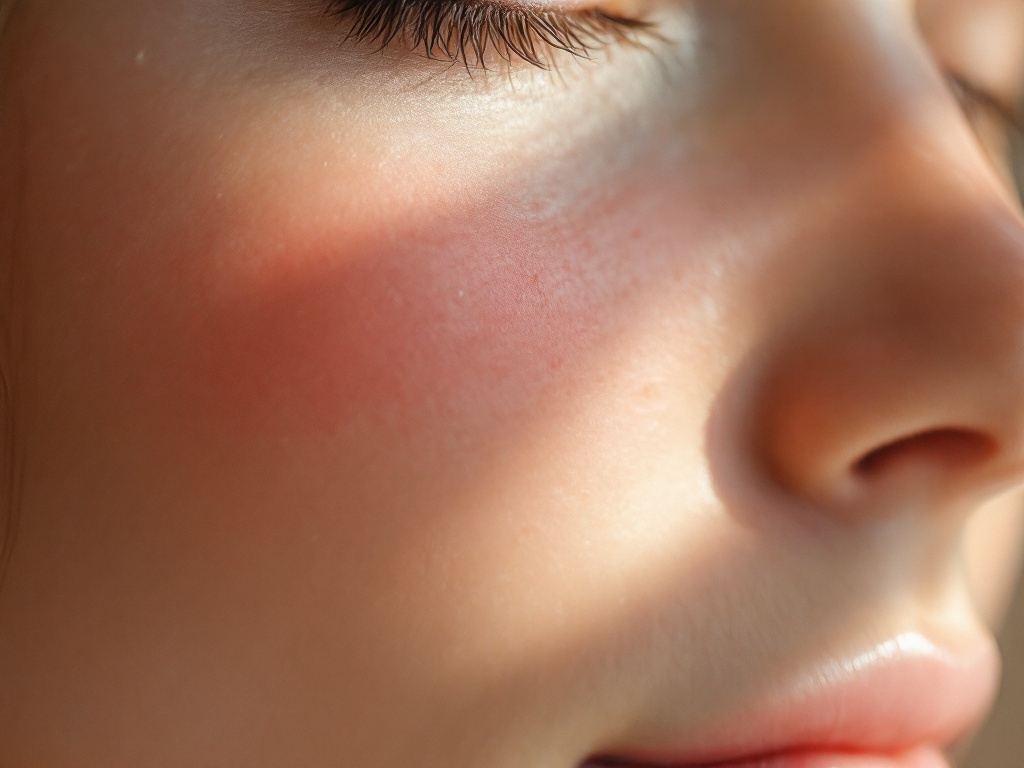
Ask a dermatologist to name the two most commonly prescribed topicals for the bumps and pimples of rosacea, and you will almost always hear the same answers: azelaic acid and metronidazole. Both have been on the market for decades, both carry regulatory approval for papulopustular rosacea, and both appear in every major treatment guideline. Yet they are not interchangeable, and understanding the differences can save patients months of trial and error.
What each drug actually does For an independent overview, see Rosacea treatment: topical and oral options.
Metronidazole, available as a 0.75 percent gel, cream, or lotion and a 1 percent gel or cream, is technically an antibiotic. But in rosacea its benefit does not come from killing bacteria on the skin. At the concentrations used topically, metronidazole appears to work primarily as an anti-inflammatory and antioxidant agent. It reduces reactive oxygen species produced by neutrophils, the white blood cells that flood into rosacea lesions and drive the redness and swelling around them. This matters because rosacea is now understood as a disorder of innate immune overactivity, not a simple infection.
Azelaic acid, typically prescribed as a 15 percent gel or foam, is a naturally occurring dicarboxylic acid. Its mechanism is broader. It inhibits kallikrein 5, an enzyme in the skin that cleaves an antimicrobial peptide called cathelicidin into fragments known to trigger rosacea inflammation and vascular changes. Elevated cathelicidin activity is one of the best documented molecular findings in rosacea skin, so azelaic acid targets a pathway close to the disease's root biology. It also has mild antimicrobial and anti-keratinizing effects, which is why it is separately used for acne.
What head-to-head trials show
Several randomized controlled trials have compared the two directly. The most cited, a 15 week study comparing azelaic acid 15 percent gel twice daily against metronidazole 0.75 percent gel twice daily, found azelaic acid produced a greater reduction in inflammatory lesion counts, roughly 73 percent versus 56 percent, and better improvement in redness scores. Other comparative studies and subsequent meta-analyses have generally supported a modest edge for azelaic acid on lesion clearance, though both drugs clearly beat placebo and the real-world difference for an individual patient may be small.
Where metronidazole tends to win is tolerability. Azelaic acid commonly causes stinging, burning, or itching in the first weeks of use, reported by roughly one in four to one in three patients in trials. These sensations usually fade with continued use, but rosacea patients often have highly reactive skin, and some cannot get past the adjustment period. Metronidazole is famously bland by comparison, with irritation rates close to vehicle in many studies. For a patient with severe skin sensitivity or a compromised barrier, that gentleness can be the deciding factor.
Practical differences that matter
Dosing is one. Metronidazole 1 percent formulations are approved for once daily use, while azelaic acid 15 percent gel was studied twice daily, although the foam formulation and real-world practice have shown once daily application can work. Fewer applications generally means better adherence.
Pregnancy is another. Azelaic acid is widely considered one of the safer topical options during pregnancy because it occurs naturally in the body and in foods like grains, and systemic absorption is low. Topical metronidazole is also generally regarded as low risk, but many clinicians default to azelaic acid when a patient is pregnant or trying to conceive. Any patient in this situation should confirm the plan with their own physician.
Cost and formulation preferences also play a role. Generic metronidazole is inexpensive and available in multiple vehicles, which helps patients with dry skin who prefer a cream or those with oily skin who want a gel. Azelaic acid 15 percent has a generic gel available in many markets, but pricing varies, and the foam remains costlier in some regions.
What neither drug does well
It is worth being direct about limits. Neither azelaic acid nor metronidazole meaningfully improves background redness from fixed, dilated blood vessels, and neither treats visible telangiectasias. Those vascular features respond to different tools, such as topical alpha agonists like brimonidine or oxymetazoline for temporary redness reduction, and vascular laser or intense pulsed light for permanent vessel changes. Patients frustrated that months of faithful topical use has not erased their flush are usually treating the wrong feature with the right drug.
Both drugs are also slow. Meaningful improvement typically takes 8 to 12 weeks, and trials run 12 to 15 weeks for good reason. Stopping at week four because nothing has changed is one of the most common reasons these medications appear to fail.
The bottom line
For papulopustular rosacea, azelaic acid 15 percent has a slight efficacy advantage supported by comparative trials and a mechanism that targets the cathelicidin pathway central to rosacea biology. Metronidazole offers gentler tolerability, flexible vehicles, and low cost. Many clinicians start with one, switch if results stall or irritation intrudes, and sometimes combine a topical with oral low dose doxycycline for stubborn cases. The right choice is less about which drug is better in the abstract and more about which one a specific patient's skin, budget, and routine can sustain for the long haul that rosacea management requires.
Related reading: Metronidazole, Azelaic Acid, or Ivermectin: How the Three Workhorse Topicals for Rosacea Actually Compare.
Keep reading
Ivermectin vs. Metronidazole for Rosacea: What Head-to-Head Data Actually Shows
Read nextMore in Explainer
View all →- Metronidazole, Azelaic Acid, or Ivermectin: How the Three Workhorse Topicals for Rosacea Actually Compare
- Ivermectin, Metronidazole, or Azelaic Acid: How the Three First-Line Topicals for Rosacea Actually Compare
- Ivermectin, Metronidazole, or Azelaic Acid: How the Three Big Topicals for Rosacea Actually Differ
- Ivermectin, Metronidazole, or Azelaic Acid: How the Three Big Topicals for Rosacea Actually Compare