
Explainer · July 27, 2026 · 5 min · By Nolan Achterman
Ivermectin, Metronidazole, or Azelaic Acid: How the Three Workhorse Topicals for Rosacea Actually Compare
All three are first-line options for the bumps and pimples of papulopustular rosacea, but they work through different mechanisms and suit different patients. Here is what the evidence and pharmacology say.
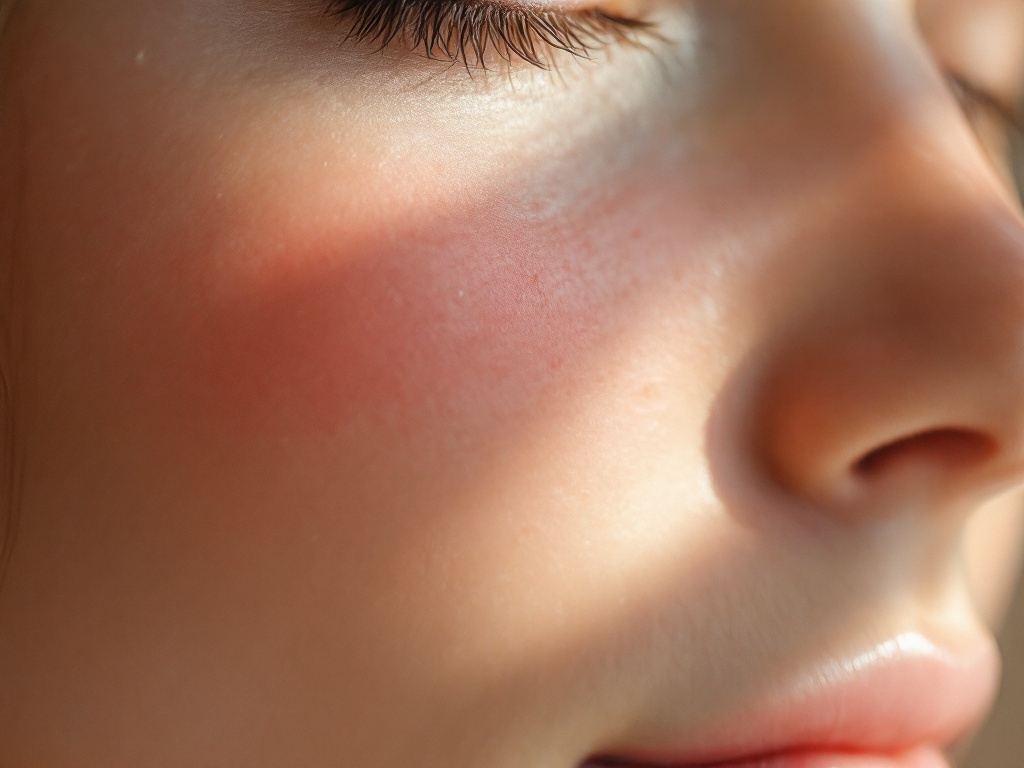
Walk into any dermatology clinic with papulopustular rosacea, the subtype marked by red bumps and pus-filled lesions, and you will almost certainly leave with a prescription for one of three creams: topical ivermectin, topical metronidazole, or azelaic acid. All three carry regulatory approval for rosacea. All three appear in major treatment guidelines. Yet they are not interchangeable, and understanding why can save patients months of trial and error.
What each one actually does For an independent overview, see Rosacea treatment: topical and oral options.
Topical ivermectin, usually a 1 percent cream applied once daily, has a dual mechanism. It is an antiparasitic that kills Demodex mites, the microscopic organisms that live in hair follicles and are found in higher densities on rosacea-affected skin. It also has direct anti-inflammatory effects, reducing the production of inflammatory signaling molecules in the skin. Researchers still debate how much of its benefit comes from mite reduction versus inflammation control, but the clinical result is well documented.
Metronidazole, available as a 0.75 percent or 1 percent gel, cream, or lotion, is technically an antibiotic, but its benefit in rosacea does not appear to come from killing bacteria. At the concentrations used on skin, its main effect is anti-inflammatory and antioxidant. It reduces reactive oxygen species produced by immune cells called neutrophils, which are heavily involved in the pustules of rosacea. It has been the default topical for decades, largely because it came first and has a long safety record.
Azelaic acid, prescribed at 15 percent for rosacea, is a naturally occurring dicarboxylic acid. It calms an overactive innate immune response, in part by reducing the activity of kallikrein 5, an enzyme that generates cathelicidin fragments. Those fragments are inflammatory peptides found at elevated levels in rosacea skin and are considered central to the disease process. Azelaic acid also normalizes keratinization and has mild antimicrobial properties.
What head-to-head data show
The most cited direct comparison is a large randomized trial that pitted ivermectin 1 percent cream once daily against metronidazole 0.75 percent cream twice daily over 16 weeks. Ivermectin produced a greater reduction in inflammatory lesions, roughly 83 percent versus 74 percent, and more patients reached clear or almost clear skin. Follow-up data also suggested longer remission after stopping ivermectin. Based on this, several guideline groups now list ivermectin as having the strongest evidence for papulopustular disease.
Azelaic acid and metronidazole have been compared repeatedly, with results that are close to a draw. Some trials show a modest edge for azelaic acid 15 percent gel in lesion reduction, others show equivalence. Network meta-analyses, which pool many trials statistically, generally rank ivermectin first, with azelaic acid and metronidazole clustered behind it.
A point worth stressing: none of these agents meaningfully treats the persistent background redness of rosacea or visible blood vessels. They target bumps and pustules. Diffuse redness responds to different tools, such as alpha-adrenergic agonist gels or vascular laser and light devices.
Tolerability, the deciding factor for many patients
Rosacea skin has a compromised barrier and reacts easily, so tolerability matters as much as potency. Metronidazole and ivermectin are both gentle, with irritation rates similar to placebo vehicles in trials. Azelaic acid is the outlier: stinging, burning, and tingling occur in a substantial minority of users, especially in the first weeks. This usually fades with continued use, but sensitive patients sometimes abandon it early. Starting with application every other day for two weeks can help.
One quirk of ivermectin deserves mention. Because it kills Demodex mites, some patients experience a temporary flare in the first one to two weeks, sometimes attributed to the inflammatory debris of dying mites. Patients who are not warned about this often assume the drug is failing and quit. Dermatologists generally advise pushing through, since trials show improvement continuing out to 12 to 16 weeks.
Practical selection logic
For moderate to severe papulopustular rosacea, ivermectin has the best trial evidence and once-daily dosing, which helps adherence. For mild disease, or where cost and formulary access are constraints, metronidazole remains a reasonable and well-tolerated choice. Azelaic acid appeals when there is coexisting concern about post-inflammatory pigmentation, since it also inhibits tyrosinase, and it is often preferred during pregnancy, when clinicians tend to avoid ivermectin due to limited data. Metronidazole is also commonly considered acceptable in pregnancy, but that decision belongs with the treating physician.
Two final realities temper expectations. First, these are control medications, not cures. Rosacea is chronic, and stopping treatment typically leads to relapse within weeks to months, which is why many clinicians move patients to maintenance dosing rather than stopping outright. Second, topicals take time. Meaningful improvement usually appears by week 4, with maximum benefit closer to week 12 to 16. Judging any of these three creams before the one-month mark is judging them too soon.
The bottom line: all three drugs earn their place, but they are not clones. Mechanism, evidence strength, skin sensitivity, pregnancy status, and cost should drive the choice, ideally in a conversation with a dermatologist who can match the molecule to the patient.
More in Explainer
View all →- Metronidazole, Azelaic Acid, or Ivermectin: How the Three Workhorse Topicals for Rosacea Actually Compare
- Ivermectin, Metronidazole, or Azelaic Acid: How the Three First-Line Topicals for Rosacea Actually Compare
- Ivermectin, Metronidazole, or Azelaic Acid: How the Three Big Topicals for Rosacea Actually Differ
- Ivermectin, Metronidazole, or Azelaic Acid: How the Three Big Topicals for Rosacea Actually Compare