
Explainer · July 24, 2026 · 5 min · By Nolan Achterman
Metronidazole, Azelaic Acid, or Ivermectin: How the Three Workhorse Topicals for Rosacea Actually Compare
All three are first-line options for papulopustular rosacea, but they work through different mechanisms and suit different patients. Here is what the evidence says about choosing among them.
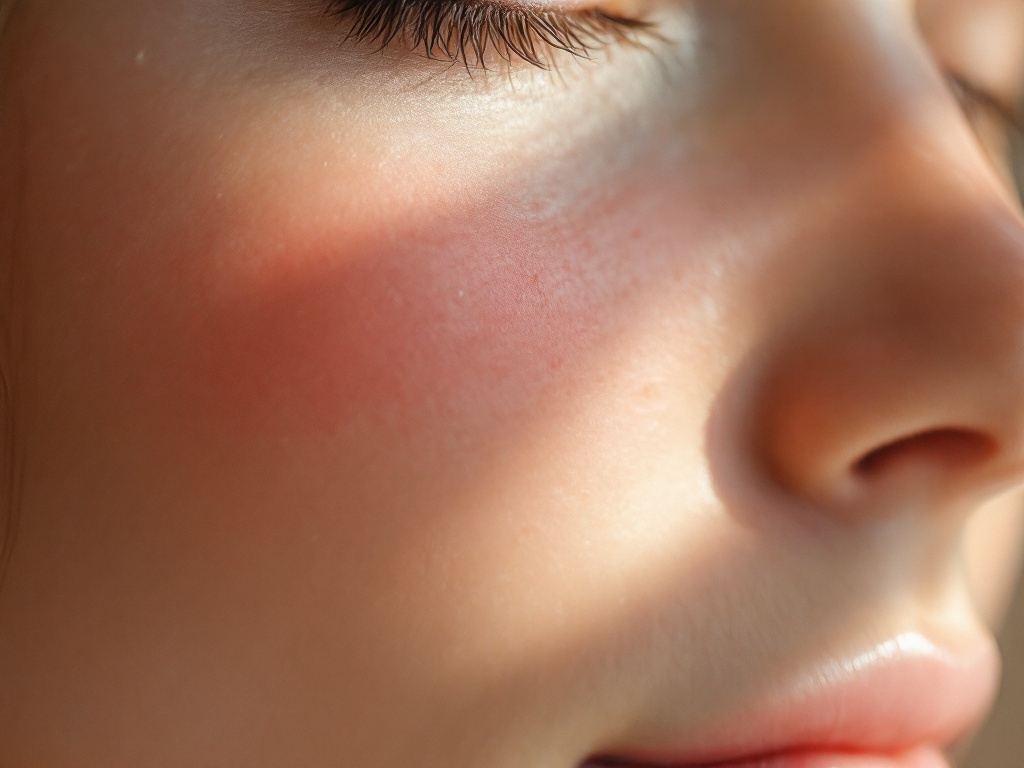
Ask three dermatologists to name their go-to topical for the bumps and pustules of rosacea and you may get three different answers: metronidazole, azelaic acid, or ivermectin. All three carry regulatory approval for papulopustular rosacea, all three appear in major treatment guidelines, and all three have decades or near-decades of use behind them. Yet they are not interchangeable. Understanding how each one works, and where each tends to fall short, makes the choice less of a coin flip.
Metronidazole: the anti-inflammatory veteran. Topical metronidazole, available as a 0.75 percent gel, cream, or lotion and a 1 percent formulation, has been a rosacea staple since the late 1980s. Although it is technically an antibiotic, its benefit in rosacea does not appear to come from killing bacteria on the skin. Instead, research points to anti-inflammatory and antioxidant effects, including reduced production of reactive oxygen species by neutrophils, the immune cells that drive much of the redness and swelling in an active flare. In practical terms, metronidazole reliably reduces papule and pustule counts over 8 to 12 weeks, is inexpensive in generic form, and is generally well tolerated even on sensitive skin. Its main limitation is ceiling effect: it works, but head-to-head data suggest it is not the most potent of the three for moderate to severe disease. For an independent overview, see Rosacea treatment: topical and oral options.
Azelaic acid: the multitasker. Azelaic acid, typically prescribed as a 15 percent gel or foam, is a naturally occurring dicarboxylic acid. Its mechanisms are broader than metronidazole's. It downregulates kallikrein 5 and cathelicidin, two molecules that are overactive in rosacea skin and that trigger inflammation and vascular changes. It also has mild antimicrobial and antikeratinizing properties. Several controlled trials have found azelaic acid modestly more effective than metronidazole 0.75 percent at reducing inflammatory lesions and erythema. The tradeoff is tolerability. A meaningful minority of users report stinging, burning, or itching in the first weeks of use, which usually fades but can be a dealbreaker for people with highly reactive skin. Starting every other day and moisturizing first can help. A useful bonus: azelaic acid also improves post-inflammatory pigmentation, which matters for patients with deeper skin tones in whom rosacea can leave brown marks rather than visible redness.
Ivermectin: the mite hypothesis in action. Ivermectin 1 percent cream, approved in the mid-2010s, reflects a shift in how researchers think about rosacea. Demodex folliculorum, a microscopic mite that lives in human hair follicles, is present at significantly higher densities on rosacea-affected skin than on healthy skin. Whether the mites cause inflammation directly, or whether bacteria they carry trigger the immune response, remains debated. Either way, ivermectin kills Demodex and also has independent anti-inflammatory effects, suppressing inflammatory cytokine production. In a large head-to-head trial, ivermectin 1 percent applied once daily outperformed metronidazole 0.75 percent applied twice daily on lesion counts and investigator-rated success at 16 weeks. Follow-up data also suggested longer remission after stopping treatment. It is applied once daily, which helps adherence, and irritation rates are low. The main practical hurdles are cost, since generics are newer to market, and the fact that some patients experience a brief early flare, sometimes attributed to the die-off of mites.
So which one first? Guidelines do not mandate a strict order, but a few patterns emerge from the evidence. For moderate to severe papulopustular disease, ivermectin has the strongest comparative data and is a reasonable first choice when access and cost allow. For mild disease or very sensitive skin, metronidazole remains a gentle, affordable starting point. For patients with both bumps and lingering pigmentation, or those who want a single agent that addresses background redness modestly, azelaic acid earns its place. Combination approaches are also common: a topical agent paired with low-dose oral doxycycline for a few months, then the topical alone for maintenance.
What none of them do. It is worth being clear about limits. None of these three treats the fixed background redness of erythematotelangiectatic rosacea particularly well, since that redness comes from dilated and structurally abnormal blood vessels rather than active inflammation alone. Visible vessels respond to vascular laser or intense pulsed light, and transient flushing may respond to topical alpha agonists such as brimonidine or oxymetazoline. Nor do these topicals address phymatous changes like thickening of the nose. Matching the drug to the rosacea subtype is the single most important step, and it is where self-treatment most often goes wrong.
The bottom line. All three topicals are legitimate, evidence-backed options with distinct mechanisms: metronidazole calms neutrophil-driven inflammation, azelaic acid quiets the cathelicidin pathway, and ivermectin targets Demodex while suppressing cytokines. Expect 8 to 16 weeks before judging any of them, use a bland moisturizer and daily sunscreen alongside, and if one agent stalls, switching or combining is standard practice rather than a sign of failure.
Related reading: Ivermectin, Metronidazole, or Azelaic Acid: How the Three Main Rosacea Topicals Actually Compare.
Keep reading
Low-dose isotretinoin for rosacea: the option when topicals and doxycycline fall short
Read nextMore in Explainer
View all →- Metronidazole, Azelaic Acid, or Ivermectin: How the Three Workhorse Topicals for Rosacea Actually Compare
- Ivermectin, Metronidazole, or Azelaic Acid: How the Three First-Line Topicals for Rosacea Actually Compare
- Ivermectin, Metronidazole, or Azelaic Acid: How the Three Big Topicals for Rosacea Actually Differ
- Ivermectin, Metronidazole, or Azelaic Acid: How the Three Big Topicals for Rosacea Actually Compare