
Explainer · July 17, 2026 · 5 min · By Nolan Achterman
Ivermectin, Metronidazole, or Azelaic Acid: How the Three Main Rosacea Topicals Actually Compare
All three are first-line options for papulopustular rosacea, but they work through different mechanisms and suit different patients. Here is what the evidence says about choosing among them.
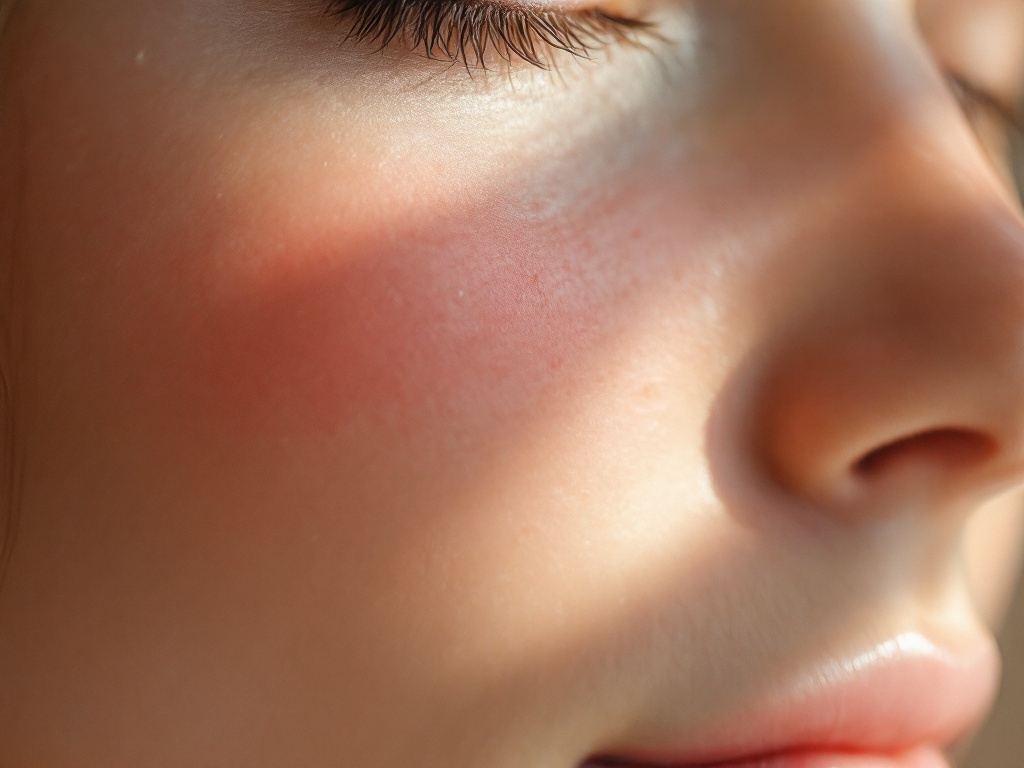
If you have been prescribed a topical for the bumps and pimples of rosacea, it was almost certainly one of three drugs: ivermectin 1% cream, metronidazole 0.75% or 1%, or azelaic acid 15% gel or foam. All three carry regulatory approval for papulopustular rosacea, all three appear in major treatment guidelines, and all three are reasonable first choices. That can leave patients, and sometimes clinicians, wondering whether the distinction matters. It does, and the differences come down to mechanism, evidence strength, tolerability, and cost.
How each one works For an independent overview, see Rosacea treatment: topical and oral options.
Metronidazole is the oldest of the three, in use for rosacea since the 1980s. Although it is technically an antibiotic, its benefit in rosacea is not believed to come from killing bacteria. At the concentrations used on skin, it appears to act as an anti-inflammatory and antioxidant, reducing the reactive oxygen species that neutrophils release in inflamed skin. This matters for antibiotic stewardship: topical metronidazole for rosacea is not thought to meaningfully drive antibiotic resistance, because its effect is not primarily antimicrobial.
Azelaic acid is a dicarboxylic acid found naturally in grains. In rosacea it appears to work on several fronts: it suppresses kallikrein 5 and cathelicidin, two molecules that are overactive in rosacea skin and drive inflammation and vascular reactivity, and it also reduces reactive oxygen species. The cathelicidin pathway is central to current models of rosacea, which gives azelaic acid a mechanistic story that maps closely onto the disease itself.
Ivermectin is the newest entrant and the only one with a plausible antiparasitic role. Rosacea skin tends to carry higher densities of Demodex mites, microscopic residents of hair follicles that may trigger or amplify inflammation in susceptible people. Ivermectin kills the mites and also has direct anti-inflammatory effects, dampening inflammatory cytokine production. Whether the mite killing or the anti-inflammatory action matters more is genuinely unsettled, but the drug likely benefits from both.
What head-to-head trials show
The most cited direct comparison is a large randomized trial that pitted ivermectin 1% cream once daily against metronidazole 0.75% cream twice daily over 16 weeks. Ivermectin came out ahead on lesion count reduction, roughly 83% versus 74%, and more patients achieved clear or almost clear skin. Network meta-analyses that pool the available trials generally rank ivermectin first for papulopustular lesions, with azelaic acid and metronidazole close behind and closer to each other.
Two caveats deserve emphasis. First, all three drugs beat vehicle convincingly, and the absolute differences between them are modest. Many patients do well on any of the three. Second, trial populations skew toward moderate to severe papulopustular disease. If your rosacea is mild, the ranking may matter less than tolerability and price.
Tolerability differences are real
Azelaic acid is the most likely to sting, burn, or itch on application, particularly in the first weeks. For many patients this fades, but people with highly reactive, easily flushed skin sometimes cannot get past it. Metronidazole and ivermectin are both generally gentle, and ivermectin in particular tends to be well tolerated even on sensitive skin. Some patients on ivermectin report a temporary flare in the first one to two weeks, sometimes attributed to inflammation from dying mites, which usually settles with continued use.
Dosing convenience also differs. Ivermectin is once daily. Azelaic acid is typically twice daily. Metronidazole depends on the formulation, once daily for the 1% versions and twice daily for 0.75%.
Cost and access
Generic metronidazole is usually the cheapest option and the most widely covered by insurance. Generic ivermectin cream and generic azelaic acid are now available in many markets, which has narrowed the gap, but coverage varies and out of pocket prices can differ by a wide margin. A slightly less potent drug that a patient can afford and will apply consistently beats a superior drug sitting unused.
What these topicals do not do
None of the three meaningfully treats the background redness and visible vessels of rosacea. Those features respond to vascular lasers, intense pulsed light, or alpha agonist topicals such as brimonidine or oxymetazoline. Expecting a papule-focused topical to erase diffuse redness sets patients up for disappointment. It is also normal to combine approaches, for example a topical for lesions plus a device-based treatment for vessels, or a topical plus low dose oral doxycycline for stubborn inflammatory disease.
Bottom line
For moderate papulopustular rosacea, ivermectin has the strongest comparative evidence and the convenience of once daily use. Azelaic acid offers a mechanism aimed at the cathelicidin pathway and is a solid choice when Demodex does not seem relevant, provided the skin tolerates it. Metronidazole remains a dependable, inexpensive workhorse with decades of safety data. Response takes time with all three: plan on 8 to 12 weeks before judging, and expect maintenance use, because rosacea is a chronic condition and lesions commonly return within months of stopping treatment. The best topical is ultimately the one matched to your lesion severity, skin sensitivity, budget, and willingness to apply it every day.
Related reading: Ivermectin, Metronidazole, or Azelaic Acid: How the Three Workhorse Topicals for Rosacea Actually Differ.
Keep reading
Brimonidine (Mirvaso) for Rosacea Redness: What It Does and the Rebound to Watch For
Read nextMore in Explainer
View all →- Metronidazole, Azelaic Acid, or Ivermectin: How the Three Workhorse Topicals for Rosacea Actually Compare
- Ivermectin, Metronidazole, or Azelaic Acid: How the Three First-Line Topicals for Rosacea Actually Compare
- Ivermectin, Metronidazole, or Azelaic Acid: How the Three Big Topicals for Rosacea Actually Differ
- Ivermectin, Metronidazole, or Azelaic Acid: How the Three Big Topicals for Rosacea Actually Compare