
Explainer · July 15, 2026 · 5 min · By Nolan Achterman
Ivermectin, Metronidazole, or Azelaic Acid: How the Three Workhorse Topicals for Rosacea Actually Differ
All three prescriptions target the bumps and pimples of papulopustular rosacea, but they work through different mechanisms, act on different timelines, and suit different skin types. Here is what the evidence says about choosing among them.
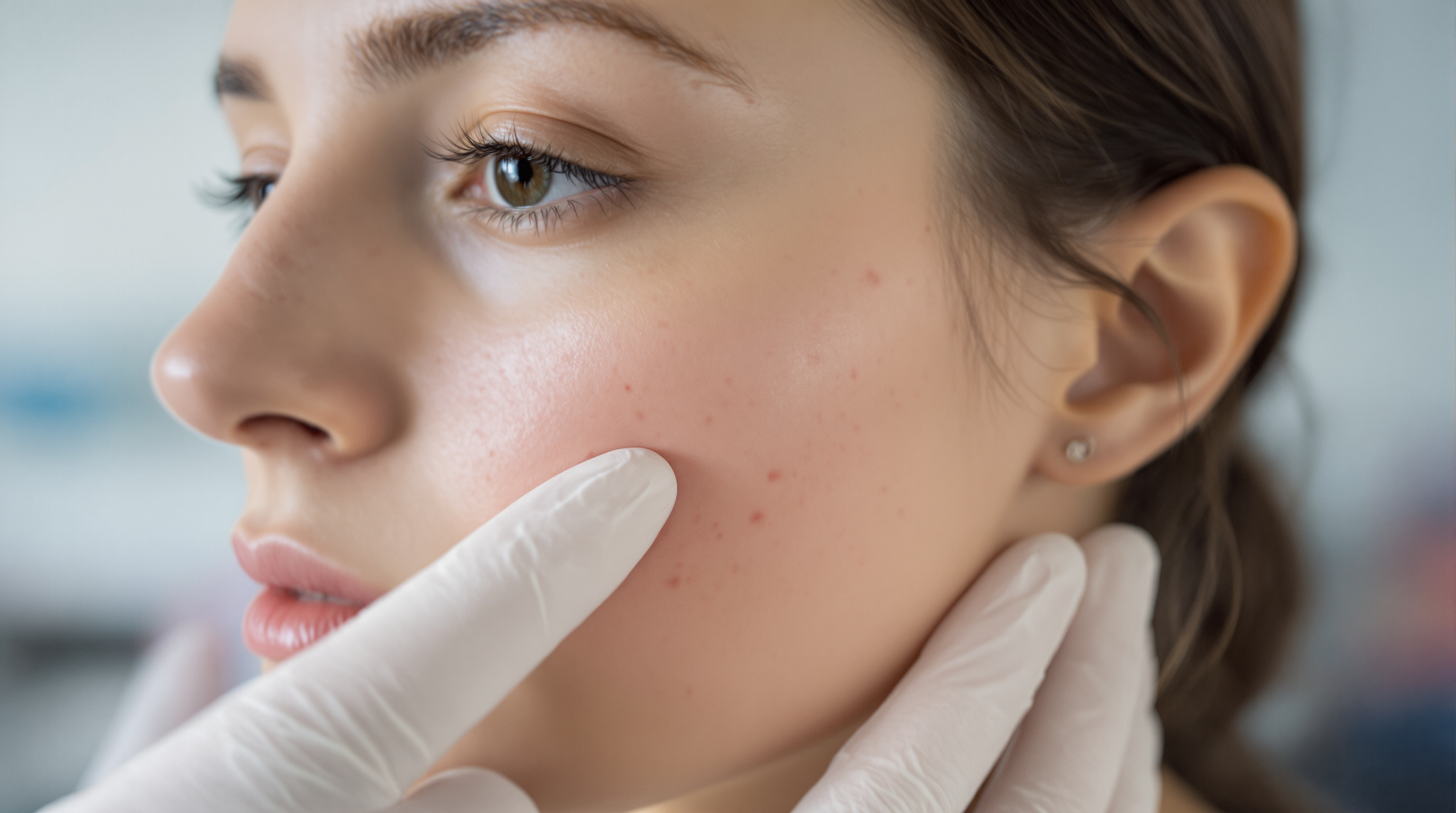
Ask a dermatologist to treat the bumps and pimples of papulopustular rosacea and the conversation almost always begins with one of three creams: topical ivermectin, topical metronidazole, or azelaic acid. All three are approved for rosacea, all three have decades or at least a decade of trial data behind them, and all three are frequently swapped for one another when a patient does not respond. Yet they are not interchangeable. Understanding how each one works helps explain why one patient clears on metronidazole in six weeks while another needs ivermectin for four months before seeing the same result.
Ivermectin: the anti-mite and anti-inflammatory option. Topical ivermectin 1% works on two fronts. First, it kills Demodex mites, the microscopic organisms that live in human hair follicles and are found in significantly higher densities on rosacea-affected skin. Research suggests the mites, or bacteria they carry, trigger an exaggerated innate immune response in susceptible people. Second, ivermectin has direct anti-inflammatory effects, reducing production of inflammatory cytokines independent of its effect on mites. In head-to-head trials, ivermectin applied once daily produced higher rates of clear or almost clear skin at 16 weeks than metronidazole applied twice daily, and remission after stopping treatment lasted longer on average. The tradeoff is patience: some patients experience a temporary flare in the first two to four weeks, which clinicians often attribute to the die-off of mites and the immune reaction to their debris. Patients who quit during this window may wrongly conclude the drug failed. For an independent overview, see Rosacea treatment: topical and oral options.
Metronidazole: the established anti-inflammatory. Metronidazole, available as a 0.75% or 1% gel, cream, or lotion, has been a rosacea standard since the late 1980s. Despite being an antibiotic, its benefit in rosacea does not appear to come from killing bacteria at the concentrations used on skin. Instead, it acts as an antioxidant and anti-inflammatory, neutralizing reactive oxygen species released by white blood cells in inflamed skin. It is generally well tolerated, inexpensive as a generic, and effective for mild to moderate papulopustular disease. Its main limitations are a somewhat lower ceiling of effectiveness compared with ivermectin in comparative trials, and the need for consistent long-term use, since lesions commonly return within weeks to months of stopping.
Azelaic acid: the multitasker. Azelaic acid 15% gel or foam is a naturally occurring dicarboxylic acid with several relevant actions. It reduces the activity of kallikrein 5, an enzyme that is overexpressed in rosacea skin and that generates cathelicidin peptides, the inflammatory molecules strongly implicated in rosacea's redness and pustules. It also normalizes keratinization and has mild antimicrobial and antioxidant effects. Trials have found azelaic acid at least as effective as metronidazole for inflammatory lesions, and some analyses suggest a modest edge. Its distinguishing tolerability issue is transient stinging, burning, or tingling on application, reported by a meaningful minority of users, usually fading over the first few weeks. For patients who also have background acne or mild post-inflammatory pigmentation, azelaic acid's dual activity can be a practical advantage.
What none of them do well. It is worth being clear about the limits. None of these three topicals meaningfully treats persistent background redness caused by dilated blood vessels, and none addresses visible telangiectasias. Those features respond to vascular lasers, intense pulsed light, or the alpha-adrenergic topicals brimonidine and oxymetazoline, which constrict vessels temporarily. Patients often judge a rosacea treatment a failure because their redness remains after their bumps clear, when in fact the medication did exactly what it was designed to do.
How clinicians choose. In practice, the decision usually turns on a few variables. Lesion burden matters: for moderate to severe papulopustular rosacea, many clinicians now reach for ivermectin first based on the comparative trial data, sometimes paired with oral low-dose doxycycline for faster initial control. Cost and access matter: generic metronidazole is often the cheapest option and remains a reasonable first choice for milder disease. Skin sensitivity matters: patients with a strong stinging response to actives may tolerate metronidazole cream best, while those with coexisting acne features may benefit from azelaic acid. And timelines matter: all three drugs should be given a fair trial of at least 12 weeks before being declared ineffective, since inflammatory lesion counts in trials continued falling well past the eight-week mark.
The bottom line. These are maintenance medications for a chronic, relapsing condition, not cures. Whichever agent works, most patients do better staying on it, or on a reduced maintenance schedule, than stopping entirely. Combined with trigger management, daily sun protection, and a bland moisturizer to support the compromised skin barrier common in rosacea, any of the three can keep papulopustular disease quiet for years. The right choice is less about which drug is best in the abstract and more about which mechanism, tolerability profile, and price fits the person using it every day.
Related reading: Sulfur and sodium sulfacetamide for rosacea: the older topicals that still earn a place.
Keep reading
Why Your Rosacea Doxycycline Dose Is Lower Than an Antibiotic Dose, and Why That Matters
Read nextMore in Explainer
View all →- Ivermectin Cream and the Demodex Question: What the Mechanism Actually Tells Us
- Brimonidine vs. Oxymetazoline: What Topical Redness Reducers Actually Do, and Why Rebound Happens
- Why 40 Milligrams of Doxycycline Can Beat 100: The Case for Anti-Inflammatory Dosing in Rosacea
- Rebound Redness Explained: Why Brimonidine and Oxymetazoline Sometimes Backfire