
Explainer · July 17, 2026 · 4 min · By Nolan Achterman
Metronidazole, Azelaic Acid, or Ivermectin: How the Three Workhorse Topicals for Rosacea Actually Differ
All three are first-line prescriptions for papulopustular rosacea, but they work through different mechanisms, suit different skin types, and perform differently in head-to-head trials. Here is what the evidence says.
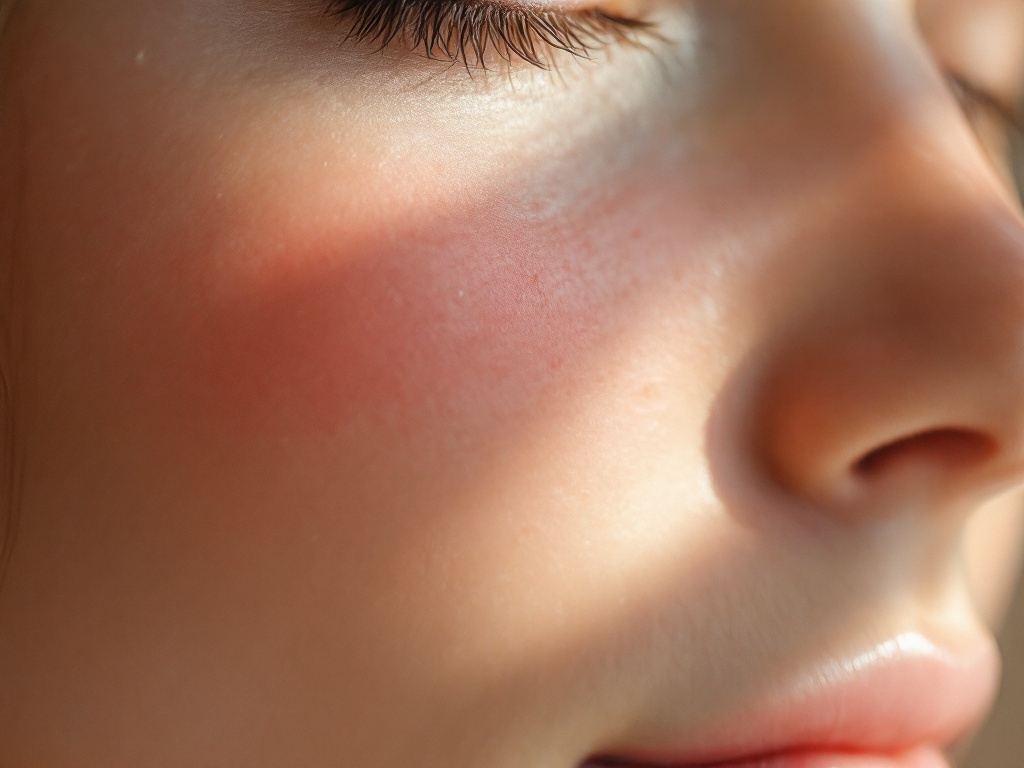
Ask three dermatologists which topical they reach for first in papulopustular rosacea and you may get three different answers. Metronidazole, azelaic acid, and ivermectin all carry regulatory approval for the condition, all appear in major treatment guidelines, and all have decades or at least a decade of real-world use behind them. Yet they are not interchangeable. Understanding how each one works, and where each one tends to stumble, makes the difference between a prescription that gets refilled and one that gets abandoned by week three.
Metronidazole: the anti-inflammatory that is not really an antibiotic here. Metronidazole, available as a 0.75 percent gel, cream, or lotion and a 1 percent cream, is technically an antimicrobial. But at the concentrations used on skin, its benefit in rosacea appears to come from a different route: it reduces reactive oxygen species generated by neutrophils, the white blood cells that drive much of the redness and pustule formation in a flare. In plain terms, it dampens the local oxidative stress that keeps inflammation cycling. Trials generally show meaningful lesion reduction over 8 to 12 weeks, and its main advantage is tolerability. It is bland, rarely stings, and works for sensitive, easily irritated skin. Its main limitation is a ceiling effect: it is reliable but rarely dramatic, and relapse after stopping is common. For an independent overview, see Rosacea treatment: topical and oral options.
Azelaic acid: the multitasker with a warning label of tingling. Azelaic acid 15 percent gel or foam is a dicarboxylic acid originally derived from grains. Its mechanisms are broader than metronidazole's. It inhibits kallikrein 5, an enzyme that is overactive in rosacea skin and that generates cathelicidin fragments, the antimicrobial peptides strongly implicated in rosacea's abnormal inflammation. It also has mild antioxidant and anti-keratinizing effects. Several comparative trials, including a well-known study comparing azelaic acid 15 percent gel to metronidazole 0.75 percent gel, found azelaic acid modestly superior for inflammatory lesion counts and erythema. The tradeoff is sensory: 20 to 30 percent of users report transient stinging, burning, or itch in the first weeks. For most patients this fades. For patients with severe stinging-type sensitivity, it can be a dealbreaker, and the foam vehicle is often better tolerated than the gel.
Ivermectin: the newest of the three, and the one aimed at mites. Ivermectin 1 percent cream targets Demodex folliculorum, the microscopic mite that lives in human hair follicles. Demodex density is consistently higher in rosacea patients than in controls, and the mites, or the bacteria they carry, appear to trigger innate immune activation through toll-like receptor pathways. Ivermectin kills the mites and separately has direct anti-inflammatory activity, reducing inflammatory cytokine production. In head-to-head data, ivermectin 1 percent cream once daily outperformed metronidazole 0.75 percent cream twice daily at 16 weeks, with a higher proportion of patients reaching clear or almost clear skin and longer remission after stopping treatment. It is generally well tolerated, though some patients experience a temporary worsening in the first one to two weeks, plausibly from the immune response to dying mites. That early bump is worth warning patients about, because it looks like treatment failure and it is not.
So which one first? Current evidence gives ivermectin a modest efficacy edge for papulopustular disease, particularly when Demodex involvement is suspected: think prominent follicular scaling, itching, or flares that never fully respond to other agents. Azelaic acid is a strong choice when there is coexisting background erythema or when a patient also has acne-like comedonal features, since it addresses keratinization too. Metronidazole remains the gentlest starting point for highly reactive skin and is often the least expensive as a generic, which matters when insurance coverage is thin.
Three practical realities that apply to all of them. First, none of these is fast. Meaningful improvement typically takes 4 to 8 weeks, and trials run 12 to 16 weeks for a reason. Stopping at week three because nothing has changed is the most common cause of apparent failure. Second, none of them treats the fixed background redness of erythematotelangiectatic rosacea well. Persistent flushing and visible vessels respond to different tools, such as alpha agonist gels or vascular laser and light devices, and expecting a pustule medication to erase diffuse redness sets patients up for disappointment. Third, all three work better on top of consistent basics: gentle cleansing, daily broad-spectrum sunscreen, and avoidance of individual triggers, since no topical can outrun a daily flare stimulus.
The honest summary is that these are three good drugs with overlapping but distinct mechanisms: oxidative stress reduction, cathelicidin pathway inhibition, and mite eradication plus immune modulation. Matching the mechanism to the patient's presentation, and setting a realistic 8 to 12 week timeline, is what turns a prescription into a result.
Related reading: Ivermectin, Metronidazole, or Azelaic Acid: How the Three Main Topicals for Rosacea Actually Differ.
Keep reading
Ivermectin, Metronidazole, or Azelaic Acid: How the Three Main Rosacea Topicals Actually Compare
Read nextMore in Explainer
View all →- Metronidazole, Azelaic Acid, or Ivermectin: How the Three Workhorse Topicals for Rosacea Actually Compare
- Ivermectin, Metronidazole, or Azelaic Acid: How the Three First-Line Topicals for Rosacea Actually Compare
- Ivermectin, Metronidazole, or Azelaic Acid: How the Three Big Topicals for Rosacea Actually Differ
- Ivermectin, Metronidazole, or Azelaic Acid: How the Three Big Topicals for Rosacea Actually Compare