
Explainer · July 24, 2026 · 5 min · By Nolan Achterman
Ivermectin, Metronidazole, or Azelaic Acid: How the Three First-Line Rosacea Topicals Actually Compare
All three are guideline-backed for papulopustular rosacea, but they work through different mechanisms, on different timelines, and with different tolerability tradeoffs. Here is what the evidence says.
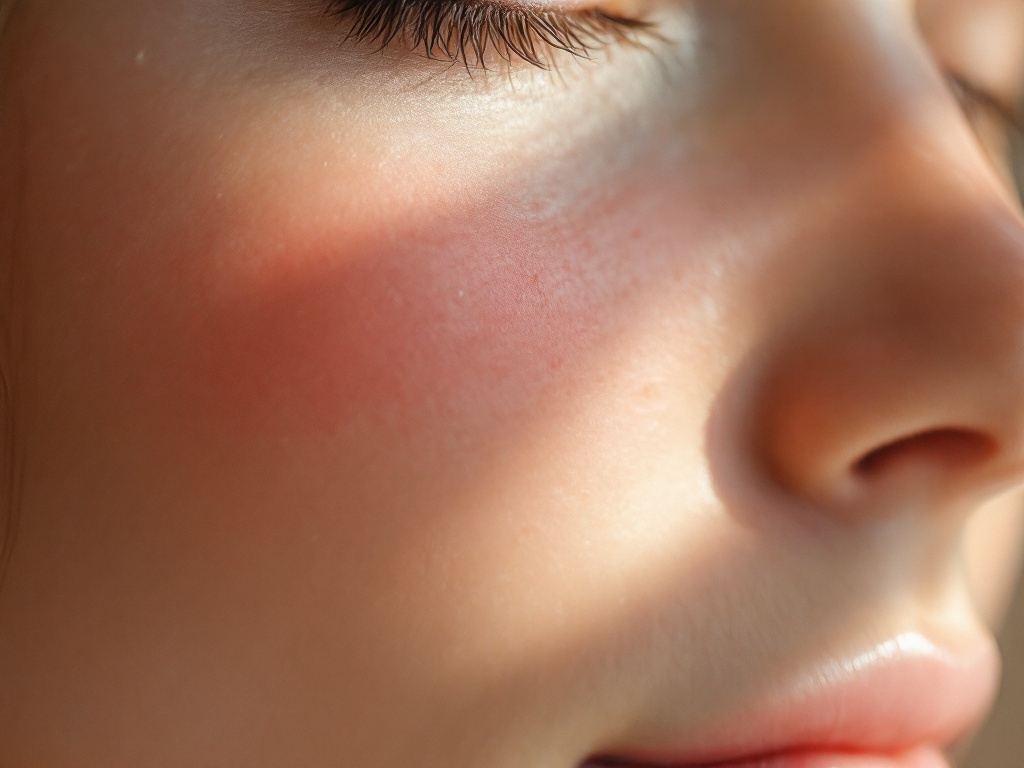
If you have been prescribed a topical for the bumps and pustules of rosacea, it was almost certainly one of three drugs: ivermectin 1% cream, metronidazole 0.75% or 1%, or azelaic acid 15% gel or foam. All three sit at the top of dermatology guidelines for papulopustular rosacea. But they are not interchangeable, and understanding why can help patients and clinicians make a more informed first choice, or a smarter second one when the first drug underperforms.
How each one works, in plain terms For an independent overview, see Rosacea treatment: topical and oral options.
Ivermectin does two things at once. It is an antiparasitic that kills Demodex folliculorum, the microscopic mite that lives in facial hair follicles and is found in higher densities on rosacea-affected skin. It also has direct anti-inflammatory effects, dampening the production of inflammatory cytokines in the skin. Researchers still debate how much of its benefit comes from mite reduction versus inflammation control, but the practical result is the same: fewer papules and pustules.
Metronidazole is often described as an antibiotic, but at the concentrations used on skin, its benefit in rosacea appears to come mostly from anti-inflammatory and antioxidant activity, specifically reducing reactive oxygen species generated by neutrophils. That matters, because it means metronidazole is not really working by killing bacteria, and long-term use does not raise the same antibiotic resistance concerns as oral tetracyclines.
Azelaic acid is a naturally occurring dicarboxylic acid. In rosacea, it appears to reduce inflammation partly by inhibiting kallikrein 5, an enzyme that is overactive in rosacea skin and that drives production of cathelicidin peptides, key players in the abnormal inflammatory cascade. It also normalizes keratinization and has mild antimicrobial effects.
What head-to-head data show
The most cited direct comparison is a large randomized trial of ivermectin 1% cream once daily versus metronidazole 0.75% cream twice daily over 16 weeks. Ivermectin came out ahead: roughly 83 percent reduction in inflammatory lesion counts versus about 74 percent for metronidazole, with a higher proportion of patients rated clear or almost clear. Network meta-analyses since then have generally ranked ivermectin as the most effective single topical for papulopustular disease.
Azelaic acid and metronidazole have been compared repeatedly, with results that are close. Some trials favor azelaic acid modestly on lesion counts and erythema scores; others find no meaningful difference. A reasonable summary: azelaic acid is at least as effective as metronidazole, possibly slightly better, at the cost of more application-site stinging.
Tolerability and practical differences
Metronidazole is generally the gentlest of the three, which is relevant because rosacea skin has a compromised barrier and reacts easily. Azelaic acid commonly causes transient burning, tingling, or itching in the first weeks. This usually fades, but for patients with very reactive skin it can be a dealbreaker. Ivermectin sits in between, with irritation rates similar to or lower than metronidazole in trials, and it has the convenience advantage of once-daily dosing.
Timelines matter too. None of these drugs works quickly. Meaningful improvement typically takes 4 to 8 weeks, with maximal benefit closer to 12 to 16 weeks. Ivermectin in particular can appear to plateau early and then continue improving, plausibly because mite populations take time to decline. Stopping any of these at week three because "it is not working" is one of the most common reasons topical therapy fails.
Remission is a real differentiator
An underappreciated finding: in extension studies, patients who cleared on ivermectin stayed in remission longer after stopping treatment than those who cleared on metronidazole, with median relapse-free intervals of roughly 115 days versus 85 days. If durability off-drug matters to a patient, that tilts the scales.
The important caveat: these treat bumps, not background redness
All three drugs target inflammatory lesions. Azelaic acid and ivermectin can modestly improve perilesional redness as bumps resolve, but none of them meaningfully treats the fixed background erythema or visible vessels of rosacea. Those respond to vasoconstrictive topicals such as brimonidine or oxymetazoline, or to vascular laser and intense pulsed light. A patient whose main complaint is diffuse redness will likely be disappointed by any of these three, not because the drug failed, but because it was aimed at the wrong target.
A sensible way to choose
For moderate to severe papulopustular rosacea, ivermectin has the strongest efficacy data and once-daily convenience. For mild disease or highly sensitive skin, metronidazole is a gentle, well-tested starting point. Azelaic acid is a strong option when there is coexisting acne, post-inflammatory pigmentation, or during pregnancy, where it is often preferred based on available safety data, though any decision in pregnancy belongs with the prescribing clinician.
If one agent underdelivers after a genuine 12-week trial, switching class rather than concentration is the evidence-based move. Different mechanisms mean a nonresponse to one does not predict a nonresponse to the others.
Related reading: Ivermectin, Metronidazole, or Azelaic Acid: How the Three Main Topicals for Rosacea Actually Compare.
More in Explainer
View all →- Metronidazole, Azelaic Acid, or Ivermectin: How the Three Workhorse Topicals for Rosacea Actually Compare
- Ivermectin, Metronidazole, or Azelaic Acid: How the Three First-Line Topicals for Rosacea Actually Compare
- Ivermectin, Metronidazole, or Azelaic Acid: How the Three Big Topicals for Rosacea Actually Differ
- Ivermectin, Metronidazole, or Azelaic Acid: How the Three Big Topicals for Rosacea Actually Compare