
Explainer · July 25, 2026 · 4 min · By Nolan Achterman
Why 40 Milligrams of Doxycycline Is Not an Antibiotic, and Why That Matters for Rosacea
Sub-antimicrobial dosing treats papulopustular rosacea through anti-inflammatory pathways, not by killing bacteria. Understanding the difference changes how patients and clinicians think about long-term treatment.
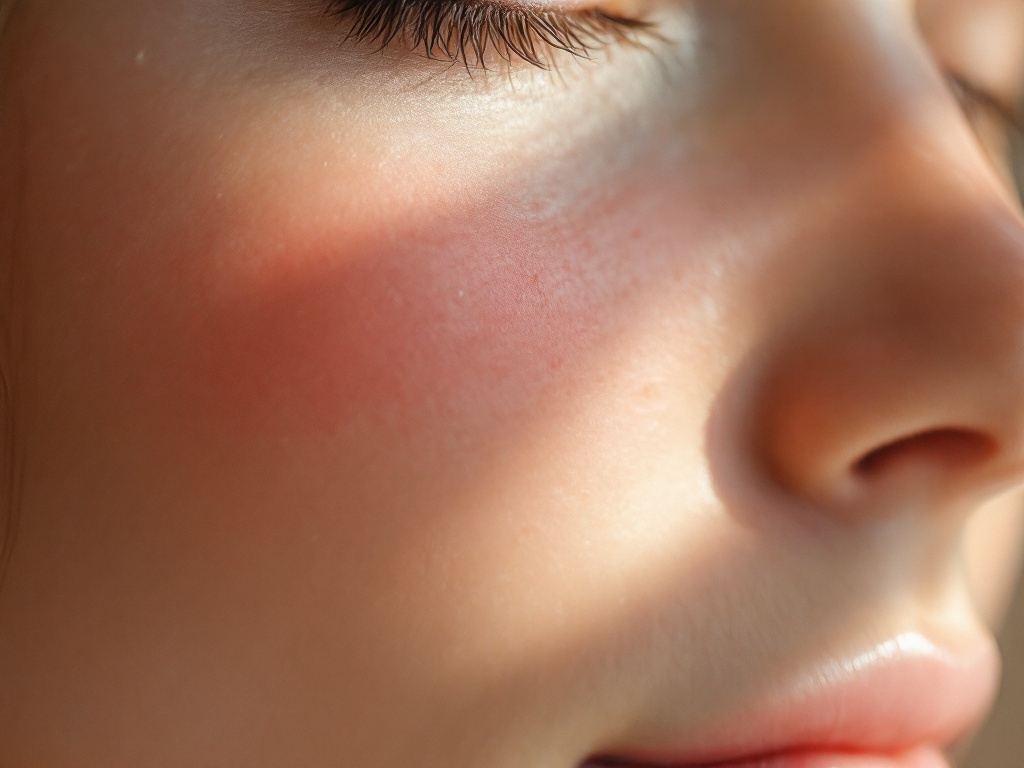
Ask most people why a dermatologist would prescribe doxycycline for rosacea and the answer comes back quickly: it kills the bacteria causing the breakouts. That answer is wrong on two counts. Rosacea is not a bacterial infection in the conventional sense, and the dose most commonly prescribed for it, 40 milligrams in a modified-release capsule, does not reach concentrations high enough to kill bacteria at all. This is not a flaw in the treatment. It is the entire point.
Doxycycline belongs to the tetracycline class, and tetracyclines have a long-documented second life as anti-inflammatory agents. At antimicrobial doses, typically 100 to 200 milligrams daily, doxycycline inhibits bacterial protein synthesis. But the same molecule also inhibits matrix metalloproteinases, a family of enzymes that degrade collagen and amplify inflammation in the skin. It reduces the activity of cathelicidin peptides, which are abnormally processed in rosacea-prone skin and are strongly implicated in the redness, papules, and pustules that define the papulopustular subtype. It also dampens neutrophil chemotaxis and reduces reactive oxygen species. None of these effects require killing a single microbe. For an independent overview, see Rosacea treatment: topical and oral options.
The 40 milligram modified-release formulation was designed to exploit this. Pharmacokinetic studies show that at this dose, blood levels of doxycycline stay below the minimum inhibitory concentration for the bacteria commonly found on and in the human body. In practical terms, the drug circulates at a level high enough to quiet inflammatory enzymes but too low to exert meaningful selective pressure on bacterial populations. This is why the regimen is described as sub-antimicrobial or anti-inflammatory dosing.
Why does that distinction matter clinically? Two reasons dominate the literature.
First, antibiotic resistance. Long courses of antimicrobial-dose doxycycline, the traditional approach for decades, expose the gut microbiome, skin flora, and oral flora to sustained selective pressure. Resistant strains can emerge in the individual patient and contribute to the broader public health problem. Studies of sub-antimicrobial dosing over periods of six to nine months have found no meaningful shift in the resistance profile of skin or fecal flora, which is what the pharmacology predicts. For a chronic, relapsing condition like rosacea, where treatment often continues for months or years, this is a significant difference.
Second, tolerability. Gastrointestinal upset, candida overgrowth, and photosensitivity are dose-related effects of tetracyclines. Trial data comparing 40 milligram modified-release doxycycline to 100 milligram dosing in rosacea found comparable reductions in inflammatory lesion counts with fewer adverse events at the lower dose. That finding surprised some clinicians when it was first published, but it fits the mechanism: if the therapeutic effect in rosacea comes from anti-inflammatory activity rather than antimicrobial activity, exceeding the anti-inflammatory threshold adds side effects without adding benefit.
A few caveats belong in any honest discussion. The 40 milligram modified-release product is not pharmacologically identical to taking half of a standard 100 milligram tablet or an immediate-release 50 milligram capsule. The modified-release design delivers a portion immediately and a portion slowly, keeping levels in the sub-antimicrobial window across the day. Splitting or substituting standard formulations can push peak concentrations above that window, at least transiently, which reintroduces some antimicrobial exposure. Cost and insurance coverage often drive substitutions in practice, and clinicians and patients should at least understand the tradeoff being made.
It is also worth being clear about what oral doxycycline does and does not treat. The evidence supports it for papulopustular rosacea, the subtype with bumps and pus-filled lesions. It does little for persistent background erythema, which responds better to topical alpha-adrenergic agents or vascular laser and intense pulsed light approaches, and it does not treat telangiectasias, the visible broken vessels, at all. Ocular rosacea is a partial exception: oral tetracyclines have a role there, partly through effects on meibomian gland secretions.
Finally, doxycycline is rarely a solo act. Guidelines generally position oral anti-inflammatory dosing alongside topical agents such as ivermectin, azelaic acid, or metronidazole, with the oral drug often used to gain control and the topical used for maintenance. Trigger management, gentle skin care, and daily photoprotection remain foundational, because ultraviolet exposure feeds the same cathelicidin pathway the drug is working to suppress.
The takeaway is simple but frequently misunderstood. When rosacea improves on low-dose doxycycline, nothing was cured and no infection was cleared. An inflammatory cascade was turned down. Framing it that way sets realistic expectations, explains why flares can return after stopping, and clarifies why the lowest effective dose, used deliberately, is not a compromise. It is the better-designed tool for the job.
Related reading: Why Your Rosacea Doxycycline Dose Is Lower Than an Antibiotic Dose, and Why That Matters.
Keep reading
Ivermectin vs. Metronidazole: What the Evidence Actually Says About Rosacea's Two Workhorse Creams
Read nextMore in Explainer
View all →- Metronidazole, Azelaic Acid, or Ivermectin: How the Three Workhorse Topicals for Rosacea Actually Compare
- Ivermectin, Metronidazole, or Azelaic Acid: How the Three First-Line Topicals for Rosacea Actually Compare
- Ivermectin, Metronidazole, or Azelaic Acid: How the Three Big Topicals for Rosacea Actually Differ
- Ivermectin, Metronidazole, or Azelaic Acid: How the Three Big Topicals for Rosacea Actually Compare