
Treatment · June 11, 2026 · 6 min · By Oriana Sandoval
Low-dose doxycycline for rosacea: anti-inflammatory, not antibiotic
Used for its anti-inflammatory effect, often below antibacterial doses.
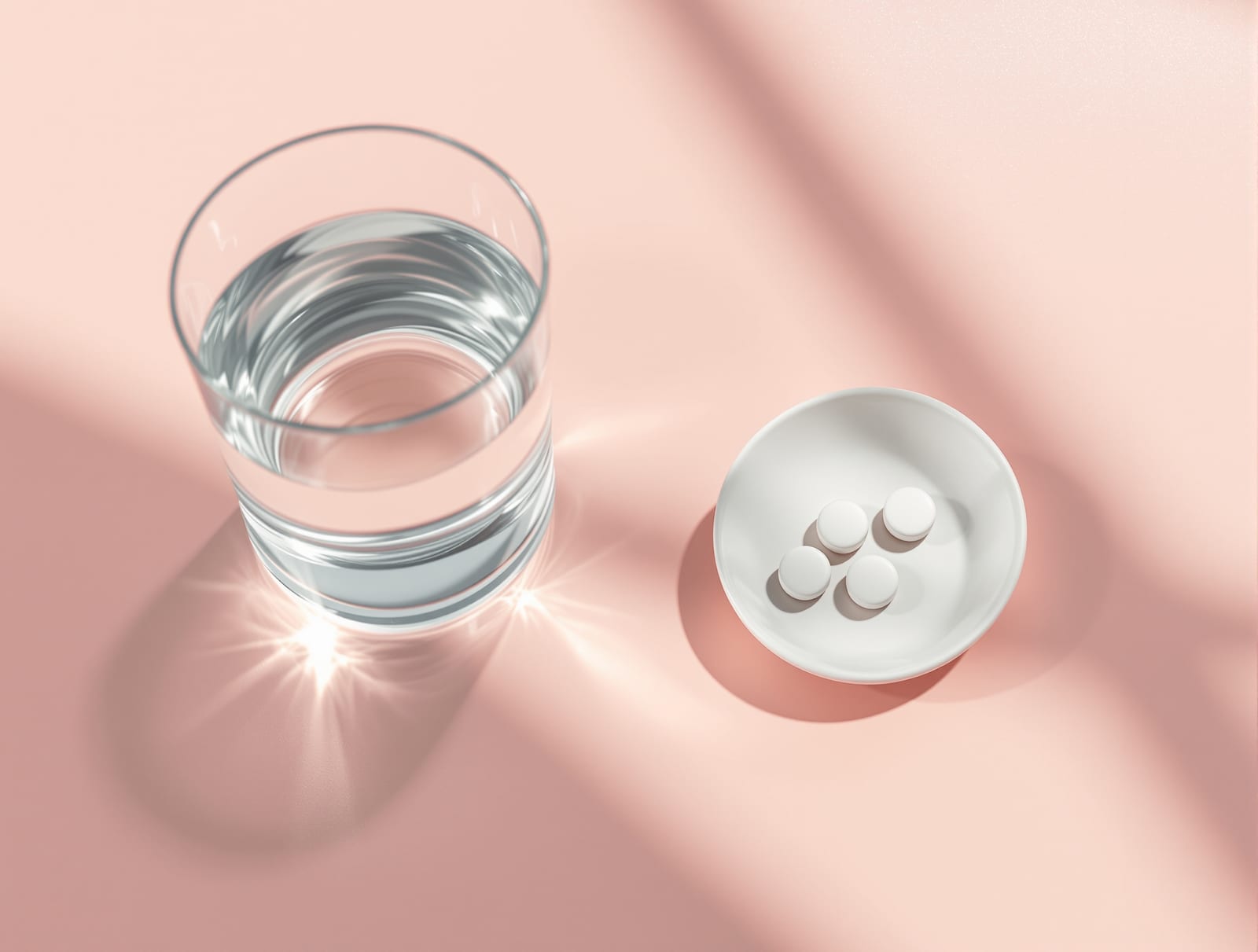
When topical treatment is not enough for inflammatory rosacea, dermatologists often add an oral option, and the most common is low-dose doxycycline, used in a way that surprises many patients.
Anti-inflammatory, not antibacterial
Doxycycline is an antibiotic, but in rosacea it is frequently prescribed at a low, sub-antimicrobial dose specifically for its anti-inflammatory effect, not to kill bacteria. At this dose it calms the inflammation behind the bumps and pustules without acting as a meaningful antibiotic, which also avoids contributing to antibiotic resistance. The American Academy of Dermatology describes low-dose doxycycline as a standard systemic option for papulopustular rosacea, and the approach is documented in reviews on PubMed.
When it is used
It is typically reserved for moderate to severe inflammatory rosacea, or cases that have not responded adequately to topicals like metronidazole, azelaic acid, or ivermectin. It is also used for ocular rosacea, where eye involvement responds to oral anti-inflammatory treatment. Often it is combined with a topical for a faster, more complete result.
What to expect
Improvement in the bumps usually appears over several weeks. As an oral medication it has more potential side effects than a topical, including stomach upset and sun sensitivity, the latter being notable since sun is already a trigger, so diligent sun protection is important. Your dermatologist will weigh the duration and may taper off once control is achieved, transitioning to topical maintenance. MedlinePlus carries plain-language information on doxycycline.
What it does not do
Like the topicals, oral doxycycline targets inflammation, not the visible vessels and persistent redness, which respond to laser and light. It is one component of a combined plan.
The takeaway
Low-dose doxycycline treats inflammatory rosacea through an anti-inflammatory effect rather than as a conventional antibiotic, making it a useful systemic option for stubborn bumps and ocular involvement. Mind sun sensitivity, expect a few weeks to work, and treat it as part of a combined plan.
Related reading: Ocular rosacea: the form that affects your eyes.
More in Treatment
View all →- Low-dose isotretinoin for rosacea: the option when topicals and doxycycline fall short
- Beta-Blockers for Rosacea Flushing: When Creams Are Not Enough for the Flush
- Brimonidine (Mirvaso) for Rosacea Redness: What It Does and the Rebound to Watch For
- Sulfur and sodium sulfacetamide for rosacea: the older topicals that still earn a place