
Explainer · August 5, 2026 · 4 min · By Nolan Achterman
Ivermectin vs. Metronidazole: What the Head-to-Head Data Actually Shows for Papulopustular Rosacea
Two of the most prescribed topicals for rosacea bumps work through different mechanisms, and the comparative trials are more decisive than many patients realize. Here is a plain-English breakdown.
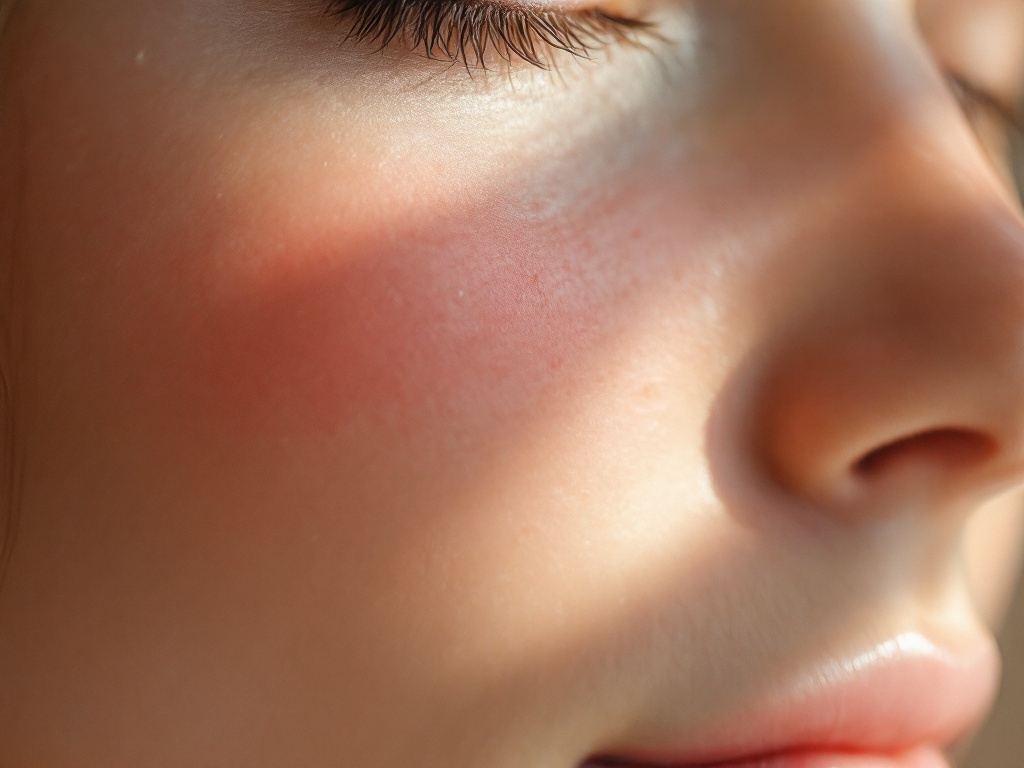
If you have papulopustular rosacea, the subtype marked by red bumps and pus-filled lesions, there is a good chance your prescription history includes metronidazole, ivermectin, or both. These two topicals dominate first-line treatment, yet patients are rarely told how they differ, why one might outperform the other, or what to expect in the first months of use. The comparative evidence is worth understanding before your next refill.
Two drugs, two different targets. Metronidazole is an antimicrobial with anti-inflammatory properties. In rosacea, its benefit is not thought to come from killing bacteria on the skin. Instead, it appears to reduce oxidative stress by neutralizing reactive oxygen species produced by neutrophils, the immune cells that drive much of the visible inflammation. It has been used in rosacea since the 1980s, typically as a 0.75 percent gel or cream applied once or twice daily, or a 1 percent formulation applied once daily. For an independent overview, see Papulopustular rosacea: bumps and pustules, treatment options.
Ivermectin 1 percent cream, approved for rosacea in 2014, works on two fronts. First, it is an antiparasitic that kills Demodex mites, the microscopic organisms that live in human hair follicles. People with rosacea carry Demodex at densities roughly five to ten times higher than people without the condition, and the mites, along with bacteria they carry, are believed to trigger the innate immune overreaction characteristic of the disease. Second, ivermectin has direct anti-inflammatory effects, suppressing inflammatory cytokines independent of its mite-killing action. That dual mechanism is the theoretical basis for its edge in trials.
What the head-to-head trial found. The most cited direct comparison is a phase 3 study of over 900 patients with moderate to severe papulopustular rosacea, randomized to ivermectin 1 percent cream once daily or metronidazole 0.75 percent cream twice daily for 16 weeks. Ivermectin came out ahead on the primary endpoint: roughly an 83 percent reduction in inflammatory lesion counts versus about 74 percent for metronidazole. More patients on ivermectin reached clear or almost clear skin on investigator assessments. The difference was statistically significant and, importantly, clinically noticeable to many participants.
An extension of that study followed patients after they stopped treatment and found that those who had cleared on ivermectin stayed in remission longer, a median of about 115 days versus about 85 days for the metronidazole group. Longer remission matters practically, because rosacea is a chronic relapsing condition and fewer flare cycles per year means less cumulative medication use and frustration.
Why metronidazole still has a place. None of this makes metronidazole obsolete. It remains effective for many patients, it is available as a low-cost generic in most markets, and decades of use have established a strong safety record, including reassuring data in situations where prescribers want a long track record. Some insurance plans also require a trial of metronidazole before covering branded ivermectin cream, though generic ivermectin formulations have narrowed the cost gap. For mild papulopustular disease, the absolute difference between the two drugs may not justify a higher out-of-pocket price.
Timelines and the question of early flaring. Both drugs are slow by cosmetic standards. Meaningful improvement typically appears around week 4, with maximum benefit closer to weeks 12 to 16. Patients starting ivermectin sometimes report a transient worsening in the first one to two weeks. One proposed explanation is a reaction to dying Demodex mites and the release of their bacterial contents, sometimes compared to die-off reactions seen with other antiparasitics. The phenomenon is not universal and usually resolves on its own, but it is worth knowing about in advance so a temporary flare is not mistaken for treatment failure.
What neither drug does. Both agents target the bumps of rosacea, not the background redness. Persistent facial erythema is driven by dilated and structurally altered blood vessels, which respond to vascular-targeted approaches such as brimonidine or oxymetazoline gels for temporary constriction, or vascular laser and intense pulsed light procedures for longer-term remodeling. Expecting a papule-focused topical to erase diffuse redness is one of the most common sources of patient disappointment, and it reflects a mismatch of mechanism, not a failed drug.
Practical takeaways. For moderate to severe papulopustular rosacea, the comparative data favors ivermectin on lesion clearance and remission length, and most current guidelines reflect that. For milder disease, cost-sensitive situations, or patients already doing well on metronidazole, there is no compelling reason to switch. Whichever agent you use, give it a full 12 to 16 weeks before judging, pair it with daily broad-spectrum sunscreen and gentle skin care, and keep a simple trigger diary, since no topical can outrun daily exposure to your personal flare triggers. If bumps clear but redness persists, that is not a treatment failure. It is a signal to discuss vascular-directed options with your clinician as the next step.
Keep reading
Topical Ivermectin vs. Metronidazole: What the Evidence Actually Says for Papulopustular Rosacea
Read nextMore in Explainer
View all →- Topical Ivermectin vs. Metronidazole: What the Evidence Actually Says for Papulopustular Rosacea
- Ivermectin, Metronidazole, or Azelaic Acid: How the Three First-Line Topicals for Rosacea Actually Compare
- Low-Dose Doxycycline for Rosacea: Why 40 mg Is Not Really an Antibiotic
- Ivermectin vs. Metronidazole: What the Evidence Actually Says About Rosacea's Two Workhorse Topicals