
Explainer · August 5, 2026 · 5 min · By Nolan Achterman
Ivermectin, Metronidazole, or Azelaic Acid: How the Three First-Line Topicals for Rosacea Actually Compare
All three are guideline-backed starting points for papulopustular rosacea, but they work through different mechanisms, on different timelines, and with different trade-offs. Here is what the evidence says about choosing among them.
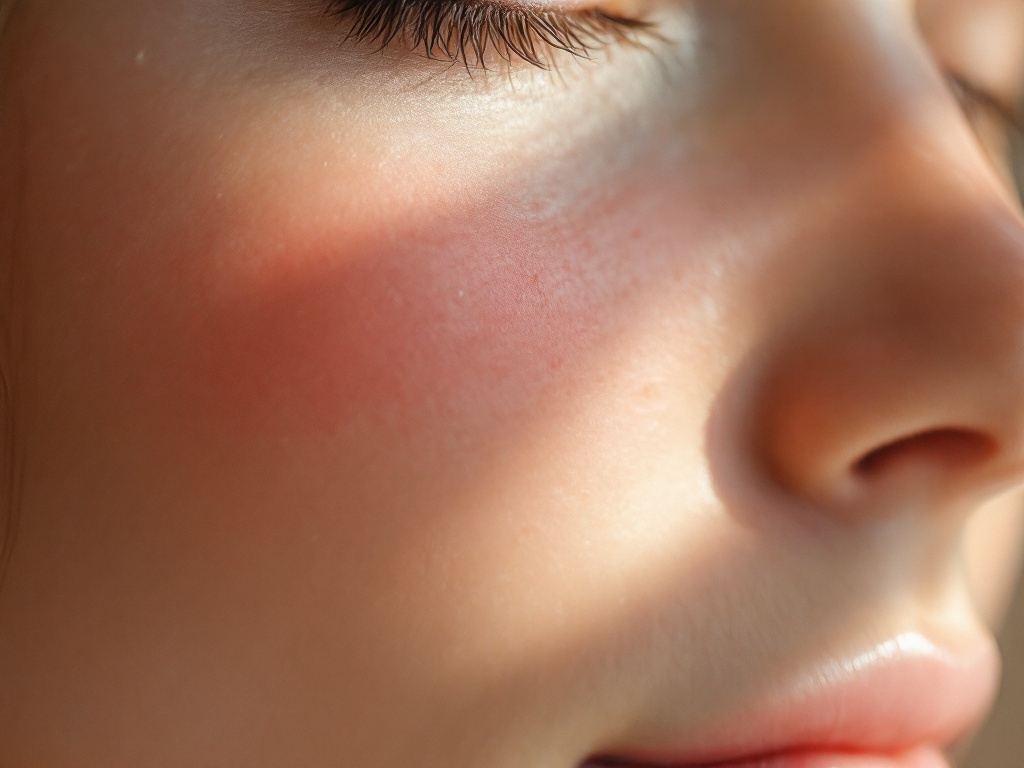
Walk into any dermatology clinic with the bumps and pustules of papulopustular rosacea and you will almost certainly leave with a prescription for one of three topicals: ivermectin 1% cream, metronidazole 0.75% or 1%, or azelaic acid 15% gel or foam. All three carry regulatory approval, all three appear in major treatment guidelines, and all three beat placebo in randomized trials. That is where the similarity ends. Understanding how each one works, and how fast, makes the difference between a rational treatment plan and months of frustrated switching.
What each one actually does For an independent overview, see Rosacea treatment: topical and oral options.
Topical ivermectin has a dual mechanism that maps neatly onto current rosacea science. First, it is an antiparasitic that kills Demodex folliculorum, the microscopic mite that lives in facial hair follicles at significantly higher densities in rosacea patients than in controls. Second, it has direct anti-inflammatory effects, suppressing inflammatory cytokines such as TNF-alpha and IL-1b. Because Demodex overgrowth is thought to trigger innate immune activation in susceptible skin, hitting both the mite and the inflammation is a plausible reason ivermectin performs well in head-to-head trials.
Metronidazole is the oldest of the three, and despite decades of use, its mechanism in rosacea is not primarily antibacterial. At the concentrations used on skin, its benefit is attributed mostly to anti-inflammatory and antioxidant activity, including reduction of reactive oxygen species generated by neutrophils. It does not meaningfully reduce Demodex counts.
Azelaic acid is a dicarboxylic acid with a broader portfolio: it inhibits kallikrein 5 and cathelicidin, two molecules central to the abnormal innate immune signaling seen in rosacea skin, and it also has mild anti-inflammatory and antioxidant effects. That kallikrein pathway is the same one implicated in rosacea's characteristic flushing and inflammation, which gives azelaic acid a mechanistic story that goes beyond symptom suppression.
What head-to-head data show
The most cited direct comparison is a large randomized investigator-blinded trial comparing ivermectin 1% cream once daily against metronidazole 0.75% cream twice daily over 16 weeks. Ivermectin produced a greater reduction in inflammatory lesion counts, roughly 83 percent versus 74 percent, and more patients reached clear or almost clear status. Extension data also suggested longer remission after stopping ivermectin, with a median time to relapse several weeks longer than metronidazole.
Azelaic acid versus metronidazole is closer to a draw, with some trials showing a modest edge for azelaic acid in lesion reduction and erythema, at the cost of more early stinging. Network meta-analyses generally rank ivermectin at or near the top for papulopustular disease, with azelaic acid and metronidazole clustered behind it. The differences are real but not enormous, and individual response varies.
Tolerability, the underrated variable
Rosacea skin has a compromised barrier and a hair-trigger sensory nervous system, so tolerability is not a footnote. Metronidazole is generally the gentlest of the three and a reasonable pick for highly reactive skin. Ivermectin cream is also well tolerated, with irritation rates in trials comparable to or lower than metronidazole. Azelaic acid is effective but commonly causes transient burning, stinging, or tingling in the first weeks, affecting a meaningful minority of users. That sensation usually fades with continued use, but patients who are not warned about it often quit early and conclude the drug failed.
One ivermectin-specific caveat: patients with heavy Demodex loads occasionally experience a temporary flare in the first one to two weeks, sometimes attributed to inflammatory reaction as mites die off. This typically settles, and stopping at week two because of it is usually premature.
Timelines matter more than most patients expect
None of these agents works quickly. Trials measure outcomes at 12 to 16 weeks, and visible improvement typically begins around week 3 to 4 at the earliest. A fair trial of any of the three is a minimum of 8 weeks, ideally 12. Switching at week 3 because the face is not clear is one of the most common self-sabotage patterns in rosacea care.
A practical way to think about the choice
For classic papulopustular rosacea, especially with suspected Demodex involvement, ivermectin has the strongest comparative evidence and once-daily dosing. For patients whose picture includes persistent background redness alongside bumps, azelaic acid's action on the cathelicidin pathway makes it an attractive option, provided they can tolerate the early tingling. For extremely sensitive or barrier-impaired skin, metronidazole remains a gentle, proven workhorse.
Two final points. These topicals treat inflammatory lesions, not the fixed background redness or visible vessels, which respond to different approaches such as alpha-adrenergic topicals or vascular laser. And no topical replaces trigger management and daily broad-spectrum sun protection, which remain the unglamorous foundation under every prescription. Choosing the right cream is useful. Staying on it long enough, and protecting the barrier around it, is what actually delivers the result the trials describe.
Related reading: Ivermectin, Metronidazole, or Azelaic Acid: How the Three First-Line Rosacea Topicals Actually Compare.
More in Explainer
View all →- Ivermectin vs. Metronidazole: What the Head-to-Head Data Actually Shows for Papulopustular Rosacea
- Topical Ivermectin vs. Metronidazole: What the Evidence Actually Says for Papulopustular Rosacea
- Low-Dose Doxycycline for Rosacea: Why 40 mg Is Not Really an Antibiotic
- Ivermectin vs. Metronidazole: What the Evidence Actually Says About Rosacea's Two Workhorse Topicals