
Explainer · August 2, 2026 · 5 min · By Nolan Achterman
Ivermectin, Metronidazole, or Azelaic Acid: How the Three Main Topicals for Papulopustular Rosacea Actually Compare
All three are first-line options for the bumps and pustules of rosacea, but they work through different mechanisms and the head-to-head data is not a tie. Here is what the evidence shows and how clinicians choose.
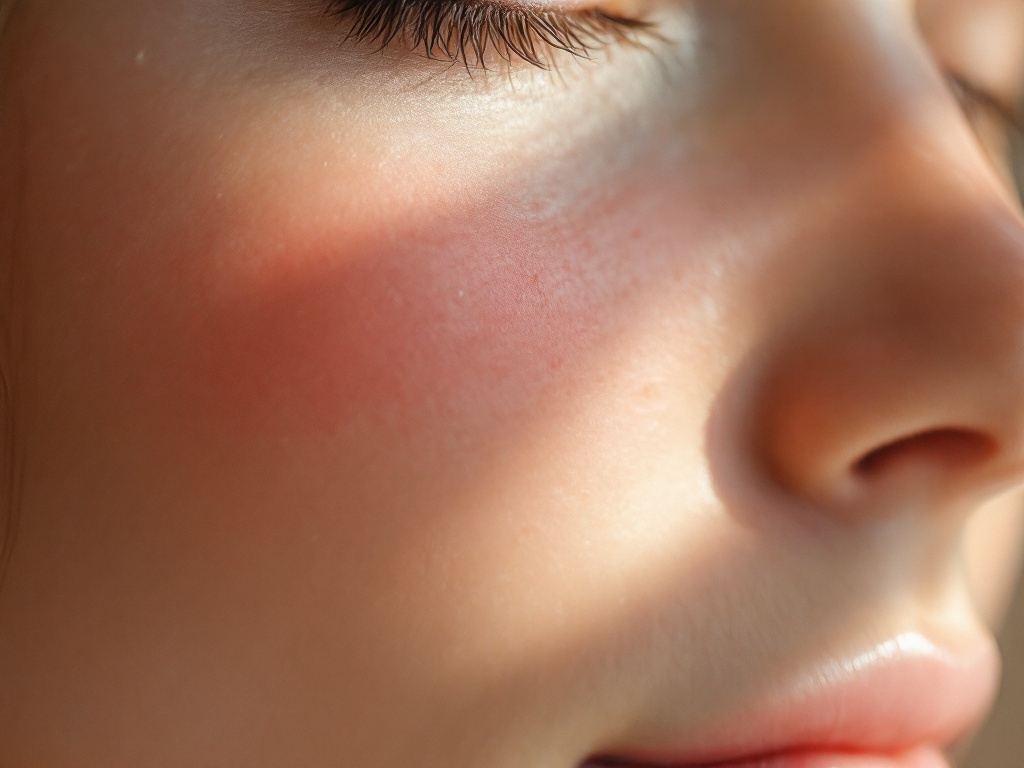
Ask a dermatologist to treat the inflammatory bumps and pustules of rosacea, the subtype clinicians call papulopustular rosacea, and the prescription will usually be one of three creams or gels: ivermectin 1%, metronidazole 0.75% or 1%, or azelaic acid 15%. All three are considered first-line. All three are backed by randomized trials. But they are not interchangeable, and the differences matter for anyone deciding what to try first or why a current regimen is underperforming.
What each one actually does For an independent overview, see Papulopustular rosacea: bumps and pustules, treatment options.
Topical ivermectin has a dual mechanism. It is an antiparasitic that kills Demodex folliculorum, the microscopic mite that lives in facial hair follicles at higher densities in many people with rosacea. It is also directly anti-inflammatory, reducing production of inflammatory cytokines in the skin. The Demodex connection is the key point: research over the past decade suggests the mite, or bacteria carried on it, can trigger the overactive innate immune response that drives rosacea lesions in a substantial subset of patients.
Metronidazole is often described as an antibiotic, but at the concentrations used on skin its benefit in rosacea appears to come mostly from anti-inflammatory and antioxidant effects, including reduced generation of reactive oxygen species by immune cells. It does not meaningfully reduce Demodex counts. It has been the workhorse topical since the late 1980s, and its main virtues are decades of safety data and a very low irritation profile.
Azelaic acid is a naturally occurring dicarboxylic acid. In rosacea it appears to work by dampening cathelicidin and kallikrein 5, two molecules of the innate immune system that are overproduced in rosacea skin and that drive both inflammation and vascular reactivity. It also has mild antimicrobial and anti-keratinizing effects. Its most common tradeoff is transient stinging or tingling on application, which most patients tolerate but some do not.
What the head-to-head data shows
The most cited direct comparison is a large randomized investigator-blinded trial comparing ivermectin 1% cream once daily against metronidazole 0.75% cream twice daily over 16 weeks. Ivermectin produced a greater reduction in inflammatory lesion counts, roughly 83 percent versus 74 percent, and more patients reached clear or almost clear skin. Extension data also suggested longer remission after stopping ivermectin, with a median time to relapse several weeks longer than metronidazole.
A network meta-analysis published in the British Journal of Dermatology pooling dozens of rosacea trials reached a similar conclusion: for papulopustular lesions, topical ivermectin ranked among the most effective single agents, with azelaic acid and metronidazole effective but somewhat behind. That said, the absolute differences are moderate, not dramatic, and all three beat vehicle convincingly.
Azelaic acid versus metronidazole trials have generally shown azelaic acid to be slightly more effective on lesion counts and erythema, at the cost of more application-site sensations. For patients with very reactive, easily stung skin, that tradeoff can tip the choice back toward metronidazole.
Practical points that shape the choice
Once-daily dosing favors ivermectin and can favor adherence. Metronidazole 1% gel is also once daily; the 0.75% formulations are typically twice daily. Azelaic acid 15% gel is labeled twice daily, though many clinicians use it once daily with reasonable results.
Cost and access are real factors. Generic metronidazole is usually the cheapest option. Ivermectin cream is now available as a generic in many markets but coverage varies. Azelaic acid sits in between, and the 15% prescription gel differs from lower-strength cosmetic versions sold over the counter, which are not equivalent.
None of the three does much for the background redness and flushing of rosacea. Those features involve dilated vessels and neurovascular signaling, and they respond better to alpha-adrenergic gels such as brimonidine or oxymetazoline, or to vascular laser and intense pulsed light procedures. A common and reasonable expectation reset: a topical that clears the bumps will often leave the pink base behind, and that is a limitation of the drug class, not a treatment failure.
Timelines also deserve honesty. Meaningful improvement with any of the three typically takes 4 to 8 weeks, with continued gains out to 12 to 16 weeks. Stopping early because week three looks unchanged is one of the most common reasons these medications get an undeserved reputation for not working.
Bottom line
If efficacy on inflammatory lesions is the priority and cost allows, current evidence gives topical ivermectin a modest edge, likely because it addresses both inflammation and the Demodex trigger. Metronidazole remains a gentle, inexpensive, well-proven choice, especially for sensitive skin. Azelaic acid is a strong middle option with a distinct mechanism, useful alone or when another agent has plateaued. Many clinicians also combine a topical with a low-dose oral anti-inflammatory antibiotic for moderate to severe cases, then taper to the topical for maintenance. The best regimen is the one matched to lesion severity, skin tolerance, budget, and the patience to give it a full trial.
Related reading: Ivermectin, Metronidazole, or Azelaic Acid: How the Three Main Topicals for Rosacea Actually Compare.
More in Explainer
View all →- Ivermectin, Metronidazole, or Azelaic Acid: How the Three Main Topicals for Rosacea Actually Compare
- Low Dose Doxycycline for Rosacea: Why 40 mg Is Not Just a Weaker 100 mg
- Ivermectin vs. Metronidazole: What the Evidence Actually Says About Rosacea's Two Workhorse Creams
- Low Dose Doxycycline for Rosacea: Why the Pill That Works Is Not Really an Antibiotic