
Explainer · August 2, 2026 · 5 min · By Nolan Achterman
Ivermectin, Metronidazole, or Azelaic Acid: How the Three Main Topicals for Rosacea Actually Compare
All three are first-line prescriptions for papulopustular rosacea, but they work through different mechanisms and the evidence does not rank them equally. Here is what the trial data and pharmacology actually say.
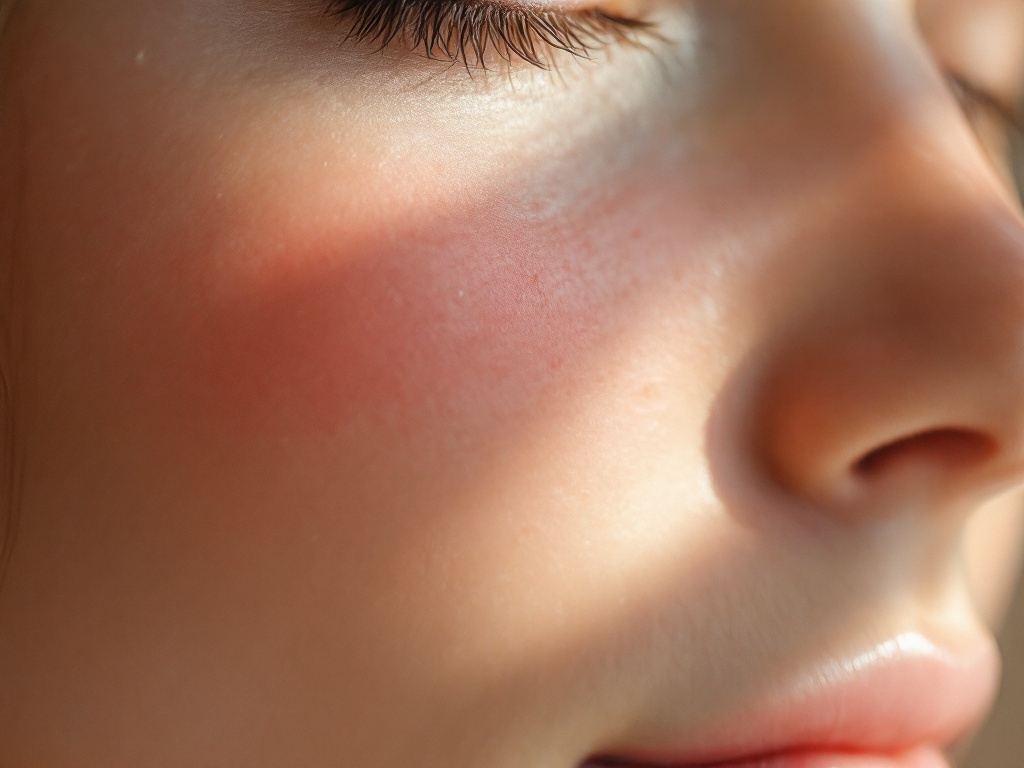
Ask three dermatologists which topical they reach for first in papulopustular rosacea and you may get three different answers. Metronidazole, azelaic acid, and ivermectin are all guideline-endorsed, all available by prescription, and all supported by randomized trials. But they are not interchangeable, and the differences matter when a patient has already failed one of them.
How each one works, as far as we know. Topical metronidazole, usually prescribed at 0.75 or 1 percent, is technically an antibiotic, but its benefit in rosacea is not believed to come from killing bacteria. At the concentrations reached in skin, its main effect appears to be anti-inflammatory and antioxidant: it reduces reactive oxygen species generated by neutrophils, which are the immune cells driving much of the redness and pustule formation. Azelaic acid, a dicarboxylic acid used at 15 percent in gel or foam, works partly by dialing down kallikrein 5 and cathelicidin, two molecules that are overexpressed in rosacea skin and that amplify inflammation. It also has mild antimicrobial and anti-keratinizing effects. Ivermectin 1 percent cream is the newest of the three and has a dual mechanism: it is directly anti-inflammatory, suppressing inflammatory cytokine production, and it is antiparasitic against Demodex folliculorum, the microscopic mite found in higher densities on rosacea-affected skin. Whether Demodex is a cause of rosacea or an opportunistic passenger is still debated, but reducing mite density does correlate with clinical improvement in many patients. For an independent overview, see Rosacea treatment: topical and oral options.
What head-to-head trials show. The most cited direct comparison is a large randomized trial that pitted ivermectin 1 percent once daily against metronidazole 0.75 percent twice daily over 16 weeks. Ivermectin came out ahead on lesion count reduction, roughly 83 percent versus 74 percent, and on the proportion of patients rated clear or almost clear. Network meta-analyses that pool the available trials generally rank ivermectin first for papulopustular disease, with azelaic acid and metronidazole close together behind it. That said, the absolute differences are moderate, not dramatic, and all three beat vehicle convincingly. Azelaic acid versus metronidazole comparisons have gone slightly in favor of azelaic acid for lesion reduction in some studies, at the cost of more application-site stinging.
Tolerability is where they separate in practice. Metronidazole is generally the gentlest of the three and is often the default for patients with highly reactive skin. Azelaic acid commonly causes transient burning, tingling, or itching in the first weeks of use. This usually fades, but for a condition defined by sensitive, easily flushed skin, that early irritation leads some patients to quit before the drug has had a chance to work. Ivermectin sits between the two, with low rates of irritation in trials and the convenience of once-daily dosing, which tends to improve adherence compared with twice-daily regimens.
Speed and durability. None of these are fast. Meaningful improvement typically takes 4 or more weeks, and trials run 12 to 16 weeks for good reason. Patients who stop at week three because nothing has changed are not treatment failures, they are early quitters on drugs that work slowly by design. On durability, extension data suggest that remission after a course of ivermectin lasts somewhat longer after discontinuation than remission after metronidazole, plausibly because reducing Demodex density removes an ongoing inflammatory trigger rather than only suppressing the response to it.
What none of them do well. All three target papules and pustules. None of them meaningfully treats background erythema or visible vessels, which are driven by vascular changes rather than inflammation alone. Persistent redness responds better to alpha-adrenergic agents such as brimonidine or oxymetazoline, or to vascular laser and intense pulsed light. Patients who expect a cream for bumps to also erase diffuse redness are set up for disappointment, and clinicians increasingly treat these as separate problems requiring separate tools.
Practical takeaways. If lesion clearance is the primary goal and cost or access is not a barrier, the evidence modestly favors ivermectin as a starting point. If a patient has extremely reactive skin, metronidazole is a reasonable gentler first step. Azelaic acid is a strong option when there is coexisting concern about texture or pigmentation, and it is one of the topicals with reassuring safety data in pregnancy, though any decision during pregnancy should be made with the prescribing clinician. Failing one agent does not predict failing the others, because the mechanisms differ. Switching, or combining a topical with a low-dose oral agent such as sub-antimicrobial doxycycline, is standard practice when a single cream is not enough.
The honest summary: these are three good drugs with overlapping but distinct pharmacology, moderate differences in efficacy, and real differences in tolerability and dosing convenience. The best one is usually the one a given patient can apply consistently for four months without irritation, because in rosacea, adherence beats theoretical potency almost every time.
Related reading: Ivermectin, Metronidazole, or Azelaic Acid: How the Three Main Rosacea Topicals Actually Compare.
More in Explainer
View all →- Ivermectin, Metronidazole, or Azelaic Acid: How the Three Main Topicals for Papulopustular Rosacea Actually Compare
- Low Dose Doxycycline for Rosacea: Why 40 mg Is Not Just a Weaker 100 mg
- Ivermectin vs. Metronidazole: What the Evidence Actually Says About Rosacea's Two Workhorse Creams
- Low Dose Doxycycline for Rosacea: Why the Pill That Works Is Not Really an Antibiotic