
Explainer · August 1, 2026 · 5 min · By Nolan Achterman
Low Dose Doxycycline for Rosacea: Why the Pill That Works Is Not Really an Antibiotic
The most prescribed oral treatment for papulopustular rosacea works at a dose too low to kill bacteria. Here is the mechanism, the evidence, and what that means for patients worried about antibiotic resistance.
Ask most patients what doxycycline does and they will say it fights infection. That is true at standard doses. But the version approved specifically for rosacea, a 40 milligram modified release capsule taken once daily, sits below the threshold needed to inhibit bacterial growth. It is prescribed not to kill microbes but to quiet inflammation. Understanding that distinction changes how patients should think about the drug, its safety profile, and the resistance question that comes up in almost every consultation.
Rosacea is an inflammation problem, not an infection For an independent overview, see Rosacea treatment: topical and oral options.
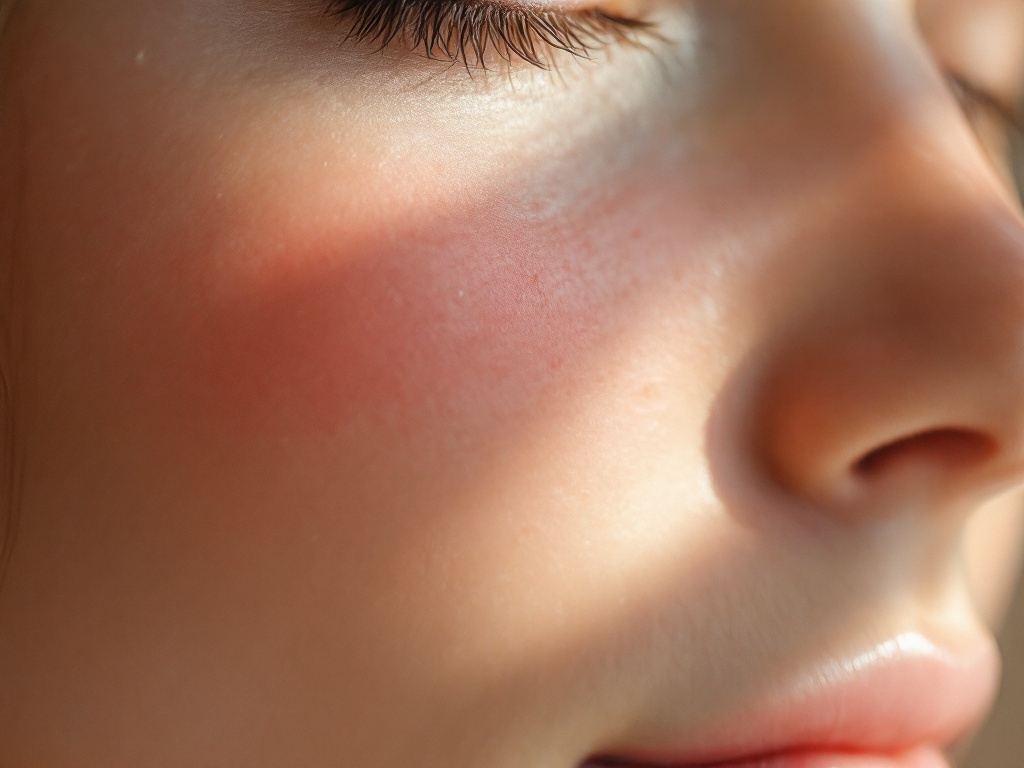
Papulopustular rosacea, the subtype marked by red bumps and pus filled lesions across the central face, looks like acne but behaves differently. Research over the past two decades points to a dysregulated innate immune system as the core driver. Affected skin overproduces cathelicidin peptides, and an enzyme called kallikrein 5 processes those peptides into fragments, notably LL-37, that trigger vasodilation, recruit inflammatory cells, and promote the visible flushing and papules patients recognize. Matrix metalloproteinases, enzymes that break down structural proteins in the skin, are also elevated and feed the cycle by activating kallikrein 5.
Demodex mites and certain bacteria may act as triggers in some patients, but the consensus view is that the immune response itself, not any single organism, produces the disease. That is why a purely antimicrobial strategy was always a partial answer.
What tetracyclines do at low doses
Doxycycline and its tetracycline cousins have a second, older pharmacology that has nothing to do with ribosomes and bacterial protein synthesis. At sub-antimicrobial concentrations they inhibit matrix metalloproteinases, reduce production of pro-inflammatory cytokines such as interleukin 1 beta and tumor necrosis factor alpha, dampen neutrophil chemotaxis, and scavenge reactive oxygen species. Each of those actions maps onto a known step in the rosacea inflammatory cascade. By suppressing metalloproteinase activity, low dose doxycycline indirectly reduces kallikrein 5 activation and downstream cathelicidin fragmentation.
The 40 milligram modified release formulation was designed to keep blood levels in this anti-inflammatory window all day without crossing into antimicrobial territory. Pharmacokinetic studies confirmed that steady state concentrations stay below the minimum inhibitory concentration for common skin and gut bacteria.
The evidence base
Two phase three randomized controlled trials, published together in 2007 and involving more than 500 patients with moderate to severe papulopustular rosacea, showed significant reductions in inflammatory lesion counts at 16 weeks compared with placebo. A separate comparative study found that 40 milligrams of modified release doxycycline performed similarly to 100 milligrams daily on lesion reduction while causing fewer gastrointestinal side effects. Subsequent studies of long term use, out to nine months, found no meaningful shift in the resistance patterns of skin or nasal flora, which is the finding clinicians lean on when patients raise the resistance concern.
Combination data matter too. Trials pairing low dose doxycycline with topical agents such as metronidazole or ivermectin show faster and deeper clearance than either approach alone, which is why many dermatologists start moderate cases on both and then taper the oral component once the skin is controlled.
What this means in practice
First, the resistance conversation is different for the 40 milligram product than for conventional antibiotic dosing. Because drug levels never reach the point of selecting for resistant organisms, microbiological studies to date have not shown the resistance drift seen with long courses of full dose antibiotics. Patients who need months of therapy, which is common in rosacea, are usually better served by the sub-antimicrobial formulation when it is accessible and affordable.
Second, expectations should match the mechanism. An anti-inflammatory drug works gradually. Most trials show separation from placebo by week three or four, with maximum benefit closer to week twelve to sixteen. Stopping at three weeks because nothing dramatic happened is one of the most common reasons the drug appears to fail.
Third, this is a treatment for bumps, not for background redness. Persistent erythema and visible vessels reflect fixed vascular changes that respond to topical alpha agonists or vascular laser and light devices, not to doxycycline. Patients frustrated that the pill did not erase their flushing were often given the wrong expectation, not the wrong drug.
Side effects at the low dose are generally mild: occasional nausea, and the photosensitivity common to all tetracyclines, which matters in a disease where ultraviolet exposure is already a trigger. Daily broad spectrum sunscreen is standard advice regardless. The drug is avoided in pregnancy and in children under eight because of effects on developing teeth and bone.
The bottom line
Low dose doxycycline is best understood as an oral anti-inflammatory that happens to share a name with an antibiotic. That framing explains its gradual onset, its favorable resistance profile, its limits against fixed redness, and why it remains a first line oral option for papulopustular rosacea more than fifteen years after approval. Patients weighing the treatment should discuss dose, duration, and combination strategy with a board certified dermatologist, since the plan that works is almost always the one matched to the specific subtype in the mirror.
Keep reading
Why 40 Milligrams of Doxycycline Is Not an Antibiotic, and Why That Matters for Rosacea
Read nextMore in Explainer
View all →- Ivermectin, Metronidazole, or Azelaic Acid: How the Three Main Topicals for Rosacea Actually Compare
- Ivermectin, Metronidazole, or Azelaic Acid: How the Three Main Topicals for Papulopustular Rosacea Actually Compare
- Low Dose Doxycycline for Rosacea: Why 40 mg Is Not Just a Weaker 100 mg
- Ivermectin vs. Metronidazole: What the Evidence Actually Says About Rosacea's Two Workhorse Creams