
Explainer · August 4, 2026 · 4 min · By Nolan Achterman
Low-Dose Doxycycline for Rosacea: Why 40 mg Is Not Really an Antibiotic
Sub-antimicrobial doxycycline is one of the most prescribed oral treatments for papulopustular rosacea, yet many patients assume they are on a standard antibiotic course. The pharmacology tells a different story, and it matters for resistance, side effects, and how long you can safely stay on it.
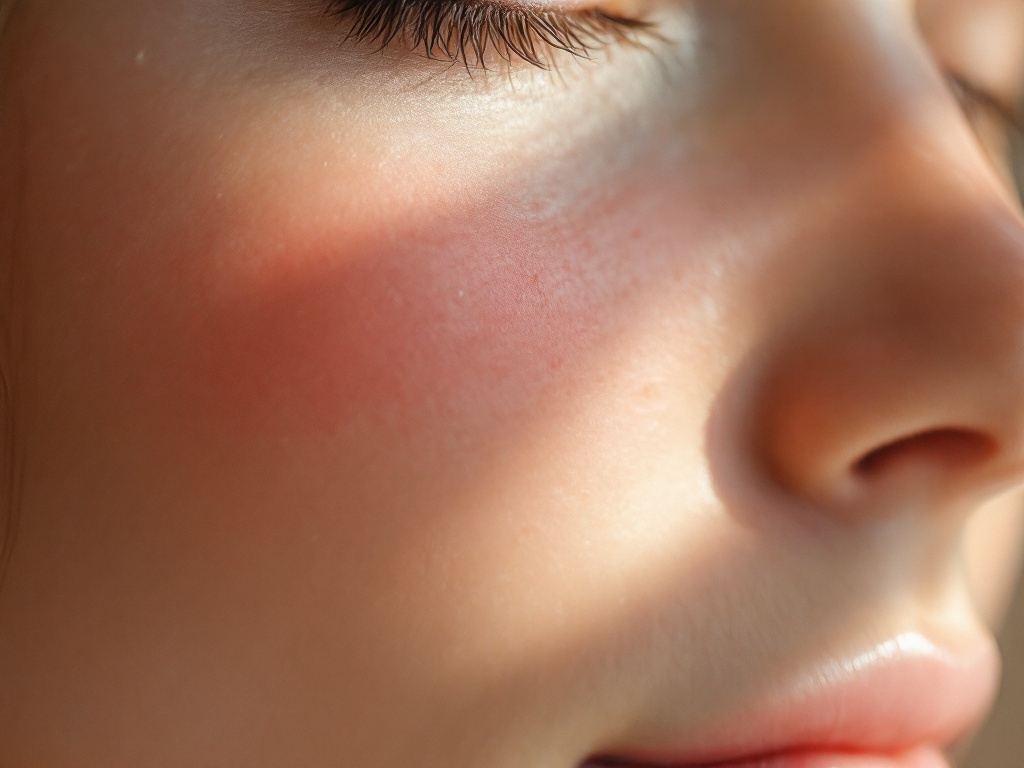
If you have been prescribed doxycycline for rosacea, there is a good chance the dose looked oddly small. Standard antibiotic dosing for doxycycline runs 100 to 200 mg per day. The rosacea formulation approved by regulators in the United States and much of Europe is a 40 mg modified-release capsule taken once daily. That is not a cost-saving shortcut. It is a deliberate pharmacologic strategy, and understanding it changes how patients should think about long-term treatment.
The key concept is the sub-antimicrobial threshold. Every antibiotic has a minimum concentration in blood and tissue below which it cannot meaningfully inhibit bacterial growth. The 40 mg modified-release formulation is engineered to keep plasma doxycycline levels below that threshold around the clock. Studies measuring skin, gut, and oral flora in patients on this regimen for six to nine months have found no significant shift in bacterial populations and no detectable selection for resistant strains. In practical terms, the drug is present, but bacteria do not notice it. For an independent overview, see Rosacea treatment: topical and oral options.
So why does it work? Because doxycycline, like other tetracyclines, has a second and largely separate set of properties: it is an anti-inflammatory molecule. At low concentrations it inhibits matrix metalloproteinases, the tissue-degrading enzymes that are overactive in rosacea-affected skin. It also dampens neutrophil chemotaxis, reduces production of inflammatory cytokines such as IL-8, and interferes with the cascade that converts the antimicrobial peptide cathelicidin into its pro-inflammatory fragment LL-37. That cathelicidin pathway is central to current models of rosacea, where an overreactive innate immune system, not an infection, drives the papules, pustules, and background redness.
This reframes the whole treatment. Rosacea is not caused by a bacterial infection, and doxycycline at 40 mg is not treating one. Demodex mites and their associated bacteria may act as triggers in some patients, but the disease itself is an inflammatory and vascular disorder. Low-dose doxycycline works because it turns down the inflammatory volume, not because it kills anything.
The clinical evidence is reasonably solid. In the two pivotal phase 3 trials that led to approval, patients on 40 mg modified-release doxycycline saw their inflammatory lesion counts drop by roughly 50 to 60 percent over 16 weeks, significantly better than placebo. A separate head-to-head trial compared 40 mg against the conventional 100 mg dose and found no meaningful difference in efficacy, but the low-dose group reported fewer gastrointestinal side effects. That trial is the strongest argument against defaulting to 100 mg generic doxycycline for rosacea, a practice that remains common because the generic is cheaper.
A few honest caveats. First, the modified-release capsule and a plain 40 mg or 50 mg immediate-release tablet are not pharmacologically identical. The modified-release design combines immediate and delayed beads to flatten the concentration curve. A standard immediate-release tablet produces a higher peak that may briefly cross the antimicrobial threshold. Whether that matters clinically over months of use is debated, but the resistance data were generated with the modified-release product, not with split generic tablets. Second, low dose does not mean zero side effects. Photosensitivity, esophageal irritation if taken without water, and rare intracranial hypertension remain on the label. The drug is also contraindicated in pregnancy and in children under eight because of effects on developing teeth and bone. Third, doxycycline addresses the papulopustular component of rosacea. It does little for persistent background erythema, flushing, or visible telangiectasias, which respond better to vascular lasers, intense pulsed light, or topical alpha-adrenergic agents.
How long can someone stay on it? Because the resistance concern is largely neutralized at this dose, dermatology guidelines are comfortable with courses of several months, often 12 to 16 weeks initially, with the option to extend or repeat. The common playbook is to pair the oral drug with a topical agent such as ivermectin, metronidazole, or azelaic acid, then taper off the oral component once lesions are controlled and let the topical maintain the result. Trials of this sequencing show that many patients hold their improvement on topical therapy alone.
The takeaway for patients: if your prescription says 40 mg once daily, you are on an anti-inflammatory regimen dressed in antibiotic clothing. You do not need to worry about antibiotic resistance in the way you would with a standard course, you should not expect it to fix redness or visible vessels, and you should ask your prescriber about an exit strategy that hands maintenance duty to a topical. If your prescription says 100 mg and your only diagnosis is rosacea, it is a fair and evidence-backed question to ask whether the lower dose would serve you just as well with less collateral effect on your gut.
More in Explainer
View all →- Ivermectin vs. Metronidazole: What the Evidence Actually Says About Rosacea's Two Workhorse Topicals
- Ivermectin, Metronidazole, or Azelaic Acid: How the Three Main Topicals for Papulopustular Rosacea Actually Compare
- Ivermectin vs Metronidazole: What the Head-to-Head Data Actually Says for Papulopustular Rosacea
- Ivermectin, Metronidazole, or Azelaic Acid: How the Three Main Topicals for Rosacea Actually Compare