
Explainer · August 4, 2026 · 4 min · By Nolan Achterman
Ivermectin vs. Metronidazole: What the Evidence Actually Says About Rosacea's Two Workhorse Topicals
Both creams have earned their place in the rosacea toolkit, but they work through different mechanisms and were not created equal in head-to-head trials. Here is a plain-English breakdown for patients weighing their options.
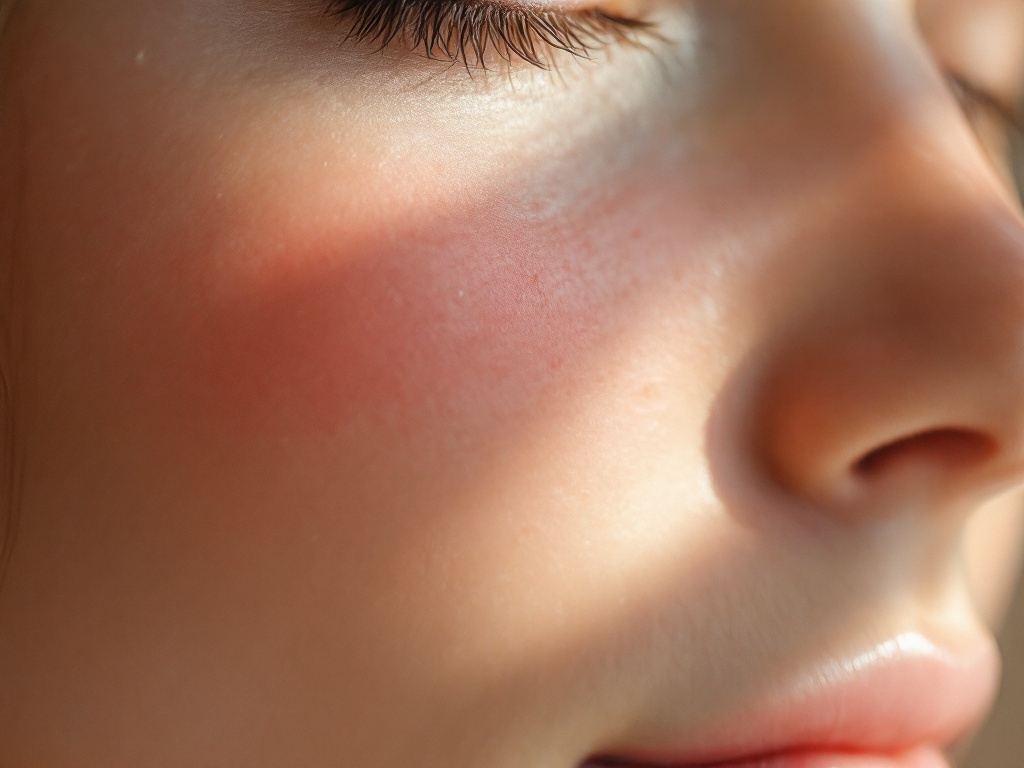
Walk into any dermatology clinic with papulopustular rosacea, the subtype marked by red bumps and pus-filled lesions, and there is a good chance you will leave with a prescription for one of two topicals: ivermectin 1% cream or metronidazole, usually as a 0.75% or 1% gel or cream. Both are established, both are backed by randomized trials, and both are considered first-line by most treatment guidelines. But they are not interchangeable, and understanding how each one works helps explain why one may suit a given patient better than the other.
How metronidazole works, and why it is not really about bacteria. Metronidazole is technically an antibiotic and antiprotozoal, but at the concentrations used on skin, its benefit in rosacea does not appear to come from killing microbes. Laboratory work suggests it acts primarily as an anti-inflammatory and antioxidant agent, reducing reactive oxygen species generated by neutrophils, the immune cells that drive much of the visible inflammation in rosacea. This matters for expectations: metronidazole calms inflamed skin gradually, typically showing meaningful improvement over 8 to 12 weeks, and it does not meaningfully contribute to antibiotic resistance the way oral antibiotics can. For an independent overview, see Rosacea treatment: topical and oral options.
How ivermectin works, and the Demodex connection. Ivermectin has a dual mechanism. First, it is a potent antiparasitic that kills Demodex folliculorum, the microscopic mite that lives in human hair follicles. Multiple studies have found that people with rosacea carry substantially higher Demodex densities than people without it, and the mites and their bacterial cargo are thought to trigger the innate immune system, particularly through toll-like receptor pathways. Second, ivermectin has direct anti-inflammatory effects, suppressing inflammatory cytokines independent of its mite-killing action. In other words, it addresses both a suspected trigger and the downstream inflammation.
The head-to-head data. The most cited comparison is the ATTRACT trial, a large randomized study that pitted ivermectin 1% cream once daily against metronidazole 0.75% cream twice daily over 16 weeks in patients with moderate to severe papulopustular rosacea. Ivermectin came out ahead on the primary endpoint: it reduced inflammatory lesion counts by roughly 83% versus about 74% for metronidazole, and a higher proportion of ivermectin users reached clear or almost clear skin. Follow-up extension data also suggested that patients who cleared on ivermectin stayed in remission longer after stopping treatment, a finding consistent with the idea that lowering the Demodex population buys durable benefit rather than just temporary suppression.
So why does anyone still prescribe metronidazole? Several practical reasons. Metronidazole has decades of safety data, is widely available as a generic, and is often significantly cheaper depending on insurance coverage. It comes in multiple vehicles, including a lightweight gel that some patients with oily or sensitive skin tolerate better than a cream. For mild disease, the absolute difference between the two drugs narrows, and cost or texture preference can reasonably tip the decision. Some clinicians also rotate or combine agents when a single topical plateaus.
What neither drug does. This is where expectations often go sideways. Both ivermectin and metronidazole target the bumps and pustules of rosacea. Neither one reliably improves persistent background redness, which is driven by dilated and structurally abnormal blood vessels rather than active inflammation alone. Fixed redness and visible vessels generally respond better to vascular-targeted approaches such as pulsed dye laser or intense pulsed light, or to alpha-agonist topicals like brimonidine or oxymetazoline, which constrict vessels temporarily. Neither cream treats phymatous changes or ocular rosacea either. A patient whose main complaint is diffuse flushing may see minimal benefit from either topical, and that is a mechanism problem, not a compliance problem.
Tolerability and the adjustment period. Both drugs are generally well tolerated. Metronidazole can cause mild stinging, dryness, or a metallic sensation in some users. Ivermectin occasionally produces a transient flare in the first one to two weeks of use, sometimes attributed to the inflammatory response triggered by dying mites, which typically settles with continued use. Patients who stop early because of this initial reaction may abandon a drug that would have worked.
The bottom line. If the goal is maximum reduction of inflammatory lesions and the longest remission, the trial evidence modestly favors once-daily ivermectin, and its convenience of a single application supports adherence. Metronidazole remains a legitimate, well-tolerated, and often more affordable alternative, particularly for milder disease. The most important step is matching the drug to the actual rosacea subtype: creams built for bumps will not fix redness built from blood vessels, and knowing that distinction upfront prevents months of frustration. As always, treatment decisions should be made with a board-certified dermatologist who can assess subtype, severity, and skin tolerance in person.
Related reading: Ivermectin vs. Metronidazole: What the Evidence Actually Says About Rosacea's Two Workhorse Topicals and Ivermectin vs. Metronidazole: What the Evidence Actually Says About Rosacea's Two Workhorse Creams.
More in Explainer
View all →- Low-Dose Doxycycline for Rosacea: Why 40 mg Is Not Really an Antibiotic
- Ivermectin, Metronidazole, or Azelaic Acid: How the Three Main Topicals for Papulopustular Rosacea Actually Compare
- Ivermectin vs Metronidazole: What the Head-to-Head Data Actually Says for Papulopustular Rosacea
- Ivermectin, Metronidazole, or Azelaic Acid: How the Three Main Topicals for Rosacea Actually Compare