
Explainer · August 4, 2026 · 5 min · By Nolan Achterman
Ivermectin, Metronidazole, or Azelaic Acid: How the Three Main Topicals for Papulopustular Rosacea Actually Compare
All three are first-line options, but they work through different mechanisms and suit different patients. Here is what the evidence says about choosing among them.
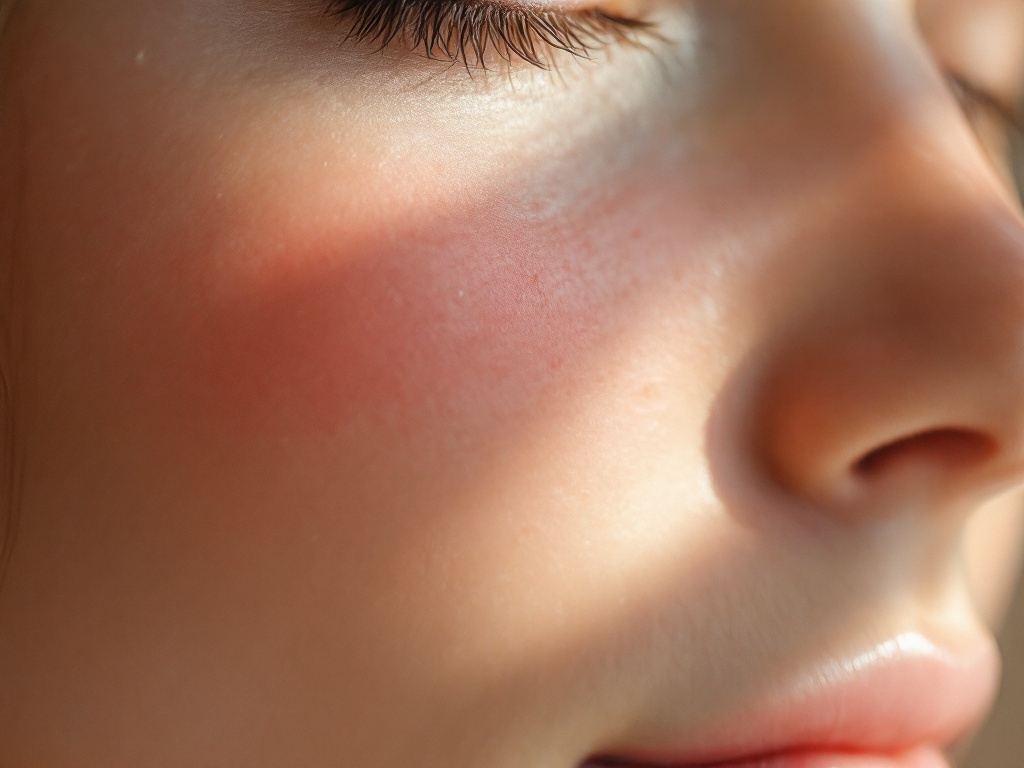
When rosacea shows up as inflamed bumps and pus-filled lesions, the type dermatologists call papulopustular rosacea, the first prescription most patients receive is a topical. In most countries three agents dominate: metronidazole, azelaic acid, and ivermectin. All three carry regulatory approval, all three appear in major treatment guidelines, and all three outperform placebo in randomized trials. Yet they are not interchangeable. Understanding how each one works, and where the head-to-head data lands, makes the choice less of a coin flip.
Metronidazole: the long-serving anti-inflammatory For an independent overview, see Papulopustular rosacea: bumps and pustules, treatment options.
Metronidazole, available as a 0.75 percent or 1 percent gel, cream, or lotion, has been used for rosacea since the 1980s. Although it is technically an antibiotic, its benefit in rosacea appears to come from anti-inflammatory and antioxidant effects rather than from killing bacteria. It reduces reactive oxygen species generated by neutrophils, the immune cells that drive much of the redness and swelling in an active flare.
In practice, metronidazole reliably reduces lesion counts by roughly half over 8 to 12 weeks in clinical trials. It is inexpensive, widely available as a generic, and generally well tolerated even on sensitive skin. Its main limitation is a ceiling effect: many patients improve but plateau with residual lesions and background redness.
Azelaic acid: the dual-action option
Azelaic acid, typically prescribed as a 15 percent gel or foam, is a naturally occurring dicarboxylic acid. It works on at least two fronts relevant to rosacea. First, it dampens the innate immune response, in part by reducing expression of kallikrein 5 and cathelicidin, two molecules that are overactive in rosacea skin and that drive inflammation and vascular changes. Second, it has mild keratolytic and antimicrobial properties.
Head-to-head trials comparing azelaic acid 15 percent with metronidazole 0.75 percent have generally favored azelaic acid by a modest margin on lesion reduction and investigator-rated improvement. The trade-off is tolerability. A meaningful minority of users report stinging, burning, or itching in the first weeks, which usually fades but can be a dealbreaker for highly reactive skin. Applying to fully dry skin and starting once daily can help.
Ivermectin: targeting the mite hypothesis
Ivermectin 1 percent cream is the newest of the three and arguably the most interesting mechanistically. Demodex folliculorum, a microscopic mite that lives in human hair follicles, is found in higher densities on rosacea-affected skin than on healthy skin. The mites and their associated bacteria are thought to trigger inflammatory responses through toll-like receptor pathways. Ivermectin kills Demodex and also has direct anti-inflammatory effects, reducing production of inflammatory cytokines.
The pivotal comparison here is a large randomized trial that put ivermectin 1 percent once daily against metronidazole 0.75 percent twice daily for 16 weeks. Ivermectin came out ahead on lesion reduction, roughly 83 percent versus 74 percent, and more patients achieved clear or almost clear skin. Follow-up data also suggested longer remission after stopping treatment, with a median relapse-free interval several weeks longer than metronidazole. Ivermectin is applied once daily, which helps adherence, and irritation rates in trials were low.
So which one first?
If efficacy alone decided the question, current evidence gives ivermectin a slight edge for moderate to severe papulopustular disease, particularly when Demodex involvement is suspected, for instance in patients with follicular scaling or itch. Azelaic acid is a strong choice when a patient also has post-inflammatory discoloration or coexisting acne features, since it addresses pigment and comedones as well. Metronidazole remains a sensible starting point for mild disease, very reactive skin, or when cost is the deciding factor, since generics are typically the cheapest of the three.
A few realities apply across all of them. First, none of these agents treats the background redness or visible vessels of erythematotelangiectatic rosacea. Those features respond to vascular lasers, intense pulsed light, or alpha-agonist topicals, not to anti-inflammatory creams. Second, all three require patience. Meaningful improvement typically takes 4 weeks, and full effect takes 12 to 16 weeks. Stopping at week three because nothing has changed is one of the most common reasons treatment appears to fail. Third, an occasional early worsening with ivermectin, sometimes attributed to inflammatory reaction to dying mites, does not mean the drug is not working.
Finally, topicals are not an either-or proposition. For more severe disease, guidelines support combining a topical with oral sub-antimicrobial dose doxycycline, then tapering to the topical alone for maintenance. Trigger management, daily broad-spectrum sunscreen, and gentle skin care remain the foundation under any prescription. The right topical helps most when the basics are already in place.
Related reading: Ivermectin, Metronidazole, or Azelaic Acid: How the Three Main Rosacea Topicals Actually Compare.
Keep reading
Ivermectin vs Metronidazole: What the Head-to-Head Data Actually Says for Papulopustular Rosacea
Read nextMore in Explainer
View all →- Low-Dose Doxycycline for Rosacea: Why 40 mg Is Not Really an Antibiotic
- Ivermectin vs. Metronidazole: What the Evidence Actually Says About Rosacea's Two Workhorse Topicals
- Ivermectin vs Metronidazole: What the Head-to-Head Data Actually Says for Papulopustular Rosacea
- Ivermectin, Metronidazole, or Azelaic Acid: How the Three Main Topicals for Rosacea Actually Compare