
Explainer · July 26, 2026 · 5 min · By Nolan Achterman
Ivermectin, Metronidazole, or Azelaic Acid: How the Three Main Topicals for Rosacea Actually Differ
All three are first line options for papulopustular rosacea, but they work through different mechanisms, on different timelines, and with different tradeoffs. Here is what the evidence shows.
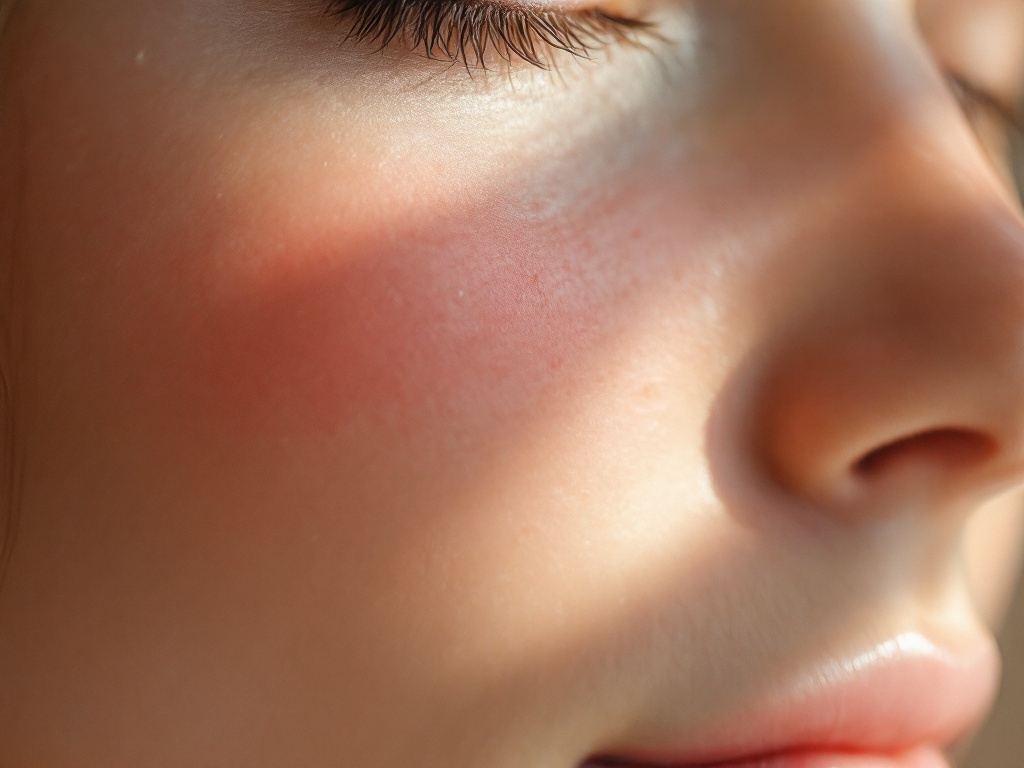
If you have papulopustular rosacea, the type with red bumps and pus filled lesions rather than just background flushing, your dermatologist will almost certainly reach for one of three topical medications: ivermectin 1% cream, metronidazole 0.75% or 1%, or azelaic acid 15% gel or foam. All three carry regulatory approval for rosacea. All three appear in major treatment guidelines. Yet patients are often handed a prescription with little explanation of why one was chosen over another, or what a realistic timeline looks like. This piece walks through what each one does, what head to head data exists, and how clinicians typically decide.
How each one works, as far as we know. Ivermectin has a dual mechanism that makes it distinctive. It is an antiparasitic agent, and it reduces populations of Demodex folliculorum, a microscopic mite that lives in human hair follicles. Demodex density is measurably higher in many rosacea patients, and the mites appear to trigger inflammatory responses through the innate immune system. Ivermectin also has direct anti inflammatory activity, suppressing inflammatory cytokine production independent of its effect on mites. Metronidazole is technically an antibiotic, but its benefit in rosacea is not believed to come from killing bacteria. At the concentrations used on skin, its main contribution appears to be anti inflammatory and antioxidant, reducing reactive oxygen species generated by neutrophils. Azelaic acid, a naturally occurring dicarboxylic acid, works through several channels: it reduces reactive oxygen species, inhibits kallikrein 5, an enzyme that drives production of the inflammatory peptide cathelicidin, which is overexpressed in rosacea skin, and it has mild antimicrobial and normalizing effects on the follicle. For an independent overview, see Rosacea treatment: topical and oral options.
What the comparative data says. The most cited head to head evidence comes from a randomized investigator blinded trial comparing ivermectin 1% cream once daily to metronidazole 0.75% cream twice daily over 16 weeks. Ivermectin produced a larger reduction in inflammatory lesion counts, roughly 83 percent versus 74 percent, and more patients reached clear or almost clear status. Network meta analyses pooling multiple trials have generally ranked ivermectin first among the three for lesion reduction in papulopustular disease. Azelaic acid and metronidazole have been compared directly in several trials with mixed results: some found azelaic acid modestly superior for lesion counts and erythema, others found the two roughly equivalent. The honest summary is that all three beat vehicle convincingly, ivermectin has the strongest comparative data for moderate to severe papulopustular rosacea, and azelaic acid versus metronidazole is close to a draw on efficacy.
Tolerability is where they diverge. Metronidazole is widely regarded as the gentlest of the three and is often chosen for patients with very reactive skin. Ivermectin is also generally well tolerated, with irritation rates similar to or lower than metronidazole in trials. Azelaic acid is effective but commonly causes transient stinging, burning, or tingling on application, especially during the first few weeks. This usually fades with continued use, but it leads some patients with sensitive skin to abandon it early. Since rosacea skin has a compromised barrier and heightened neurosensory reactivity by definition, tolerability is not a minor consideration. A slightly less potent product that a patient actually uses daily will outperform a stronger one sitting in a drawer.
Timelines matter more than most patients are told. None of these medications works quickly. Trials measure outcomes at 12 to 16 weeks, and visible improvement often does not begin until week 4 or later. Ivermectin trials showed separation from vehicle by around week 4, with continued improvement through week 16 and beyond in extension studies. Stopping at week 3 because nothing has changed is one of the most common reasons topical therapy appears to fail. A reasonable expectation: give any of these agents a full 12 weeks at consistent daily use before judging.
How the choice usually gets made. For moderate to severe papulopustular rosacea, many clinicians now start with ivermectin based on the comparative trial data and once daily dosing, which supports adherence. For mild disease or highly sensitive skin, metronidazole remains a solid, inexpensive choice, and generic availability often makes it the most affordable option. Azelaic acid is attractive when a patient also has post inflammatory discoloration or coexisting acne, since it addresses pigment and comedones as well. Cost and insurance coverage frequently override all of this in practice, and that is a legitimate factor: consistent use of a covered medication beats sporadic use of an unaffordable one.
One important caveat. These topicals target bumps and pustules. They do modestly reduce the redness that surrounds lesions, but they do not meaningfully treat background erythema or visible vessels, which respond better to alpha adrenergic agents like brimonidine or oxymetazoline, or to vascular laser and light devices. If persistent flushing is your main complaint, a papulopustular topical alone will disappoint, not because it failed, but because it was aimed at a different feature of the disease. Matching the treatment to the phenotype, rather than to the diagnosis label alone, is the current standard of care, and it is worth asking your clinician which features each part of your regimen is meant to address.
Related reading: Ivermectin, Metronidazole, or Azelaic Acid: How the Three Main Rosacea Topicals Actually Compare.
More in Explainer
View all →- Metronidazole, Azelaic Acid, or Ivermectin: How the Three Workhorse Topicals for Rosacea Actually Compare
- Ivermectin, Metronidazole, or Azelaic Acid: How the Three First-Line Topicals for Rosacea Actually Compare
- Ivermectin, Metronidazole, or Azelaic Acid: How the Three Big Topicals for Rosacea Actually Differ
- Ivermectin, Metronidazole, or Azelaic Acid: How the Three Big Topicals for Rosacea Actually Compare