
Explainer · July 26, 2026 · 5 min · By Nolan Achterman
Ivermectin, Metronidazole, or Azelaic Acid: How the Three Main Topicals for Rosacea Actually Compare
All three are first-line prescriptions for the bumps and pimples of rosacea, but they work through different mechanisms and suit different patients. Here is what the evidence says about each.
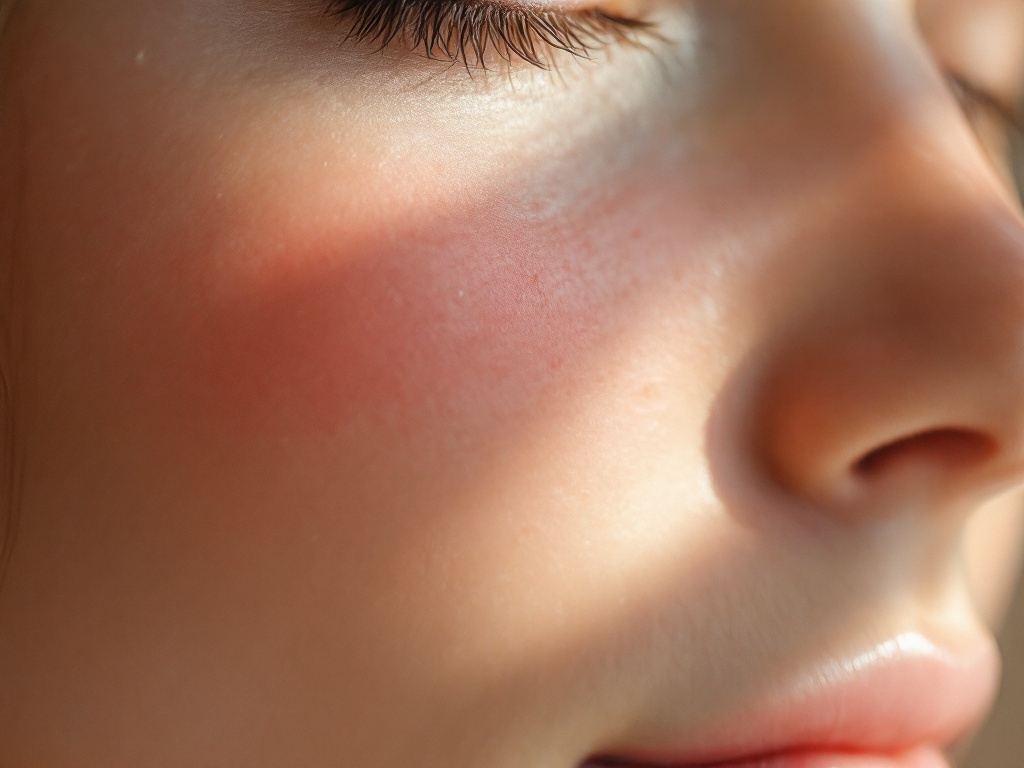
Ask three dermatologists which topical they reach for first in papulopustular rosacea and you may get three different answers. Ivermectin 1% cream, metronidazole 0.75% or 1%, and azelaic acid 15% gel or foam are all considered first-line options in current treatment guidelines. They are not interchangeable, though, and understanding how each one works helps explain why one patient clears on metronidazole while another needs to switch.
What each drug is actually doing For an independent overview, see Rosacea treatment: topical and oral options.
Topical ivermectin has a dual mechanism that makes it unusual. It is an antiparasitic drug that kills Demodex mites, the microscopic organisms that live in human hair follicles and are found in higher densities on rosacea-affected skin. Research suggests these mites, or the bacteria they carry, can trigger an inflammatory cascade in susceptible skin. Ivermectin also has direct anti-inflammatory effects, reducing production of inflammatory signaling molecules. So it addresses both a suspected trigger and the resulting inflammation.
Metronidazole is the oldest of the three, in use for rosacea since the 1980s. Despite being an antibiotic, its benefit in rosacea does not appear to come from killing bacteria at the concentrations used on skin. Instead, it works as an anti-inflammatory and antioxidant, neutralizing reactive oxygen species produced by immune cells called neutrophils. Those reactive molecules contribute to the tissue inflammation that shows up as papules and pustules.
Azelaic acid is a naturally occurring dicarboxylic acid. In rosacea it appears to reduce the production of cathelicidins, antimicrobial peptides that are overexpressed in rosacea skin and that drive inflammation and vascular reactivity. It also has mild antioxidant and anti-keratinizing effects. This mechanism is notable because abnormal cathelicidin processing is one of the better-supported theories of why rosacea develops in the first place.
What head-to-head trials show
The most cited direct comparison is a large randomized trial that pitted ivermectin 1% cream once daily against metronidazole 0.75% cream twice daily over 16 weeks. Ivermectin came out ahead on lesion count reduction, roughly 83 percent versus 74 percent, and more patients achieved clear or almost clear skin. Extension data also suggested longer remission after stopping ivermectin, with a median time to relapse of about 115 days versus 85 days for metronidazole.
Azelaic acid has been compared with metronidazole in multiple trials, with results generally favoring azelaic acid slightly on inflammatory lesion reduction, though the difference is modest. Direct comparisons between azelaic acid and ivermectin are thinner, and network meta-analyses that pool indirect evidence tend to rank ivermectin first for papulopustular disease, with azelaic acid and metronidazole close behind.
A few caveats matter. Trial superiority of a few percentage points does not guarantee a given patient will respond better. All three drugs beat placebo convincingly, and individual response varies more than the averages suggest.
Tolerability, the practical tiebreaker
Metronidazole is generally the gentlest of the three and is often chosen for patients with very reactive skin. Stinging and dryness occur but are usually mild.
Azelaic acid commonly causes transient burning, tingling, or itching in the first weeks of use, reported by a meaningful fraction of patients. This usually fades with continued use, but for people whose rosacea already involves stinging-prone skin, that adjustment period can be a dealbreaker. The foam formulation was developed partly to improve tolerability.
Ivermectin is well tolerated overall, with irritation rates in trials similar to or lower than its vehicle cream. Some patients experience a temporary flare in the first one to two weeks, sometimes attributed to the inflammatory response as mite populations die off. Dermatologists often warn patients about this in advance so they do not abandon treatment early.
Practical considerations
Dosing frequency differs: ivermectin is once daily, azelaic acid is typically twice daily, and metronidazole depends on the formulation. Once-daily dosing tends to improve adherence, which matters in a chronic condition that requires months of consistent use. Cost and insurance coverage also vary considerably, and generic metronidazole and generic azelaic acid are often the least expensive options. Generic ivermectin cream has become available in some markets, narrowing that gap.
None of these treat the background redness or visible vessels of erythematotelangiectatic rosacea. That component responds to different tools, such as alpha-adrenergic agonist gels or vascular laser and light devices. Patients with mixed disease often need combination approaches.
The bottom line
For inflammatory papules and pustules, ivermectin has the strongest comparative evidence and a plausible dual mechanism, azelaic acid targets a core inflammatory pathway but asks patients to tolerate early stinging, and metronidazole remains a gentle, inexpensive workhorse with decades of safety data. A reasonable expectation with any of them is gradual improvement over 8 to 12 weeks, not overnight clearing. If one agent fails after a fair trial at full adherence, switching mechanisms rather than abandoning topicals altogether is usually the next sensible step, and that is a conversation worth having with a prescribing clinician rather than a guess to make alone.
Keep reading
The Prescription Audit: When Your Worst Flushes Are Coming From the Pharmacy, Not the Kitchen
Read nextMore in Explainer
View all →- Metronidazole, Azelaic Acid, or Ivermectin: How the Three Workhorse Topicals for Rosacea Actually Compare
- Ivermectin, Metronidazole, or Azelaic Acid: How the Three First-Line Topicals for Rosacea Actually Compare
- Ivermectin, Metronidazole, or Azelaic Acid: How the Three Big Topicals for Rosacea Actually Differ
- Ivermectin, Metronidazole, or Azelaic Acid: How the Three Big Topicals for Rosacea Actually Compare