
Explainer · July 27, 2026 · 4 min · By Nolan Achterman
Why the 40 mg Doxycycline Used for Rosacea Is Not Really an Antibiotic
Sub-antimicrobial dosing works through inflammation, not infection. Here is what that distinction means for resistance, side effects, and how long you can safely stay on it.
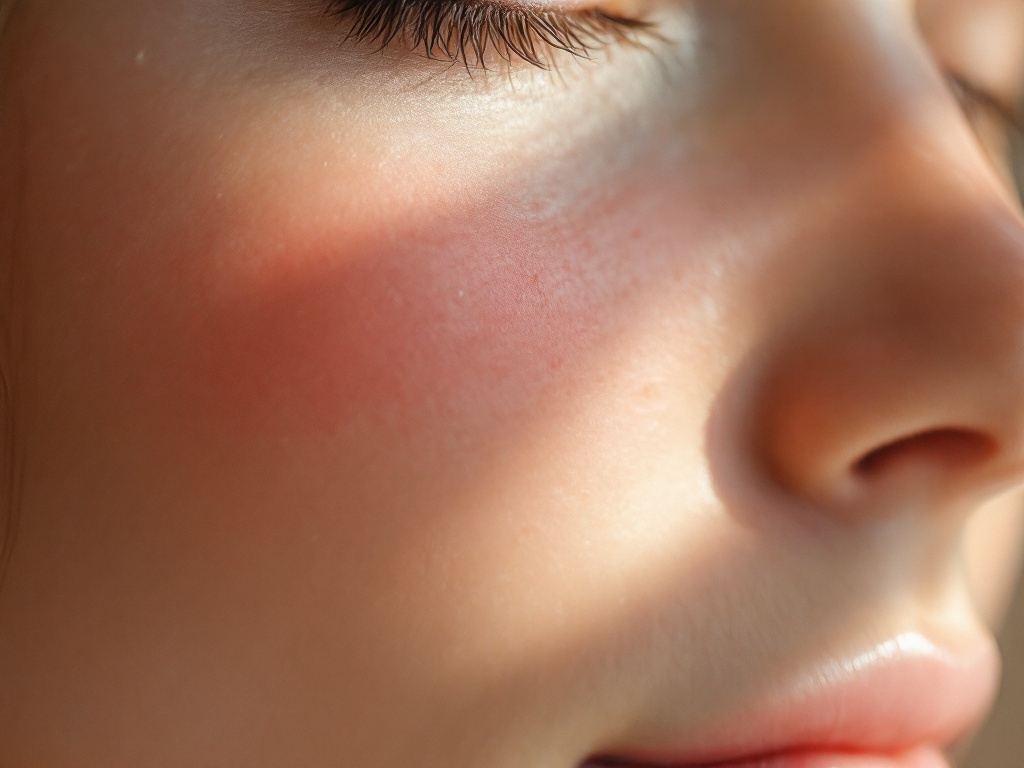
Ask most people what doxycycline does and they will say it kills bacteria. That is true at the 100 mg to 200 mg daily doses used for infections. But the version approved specifically for rosacea, a 40 mg modified-release capsule taken once daily, works differently. At that dose, blood levels of the drug never climb high enough to meaningfully inhibit bacterial growth. Dermatologists call this sub-antimicrobial dosing, and the distinction matters more than most patients realize.
Rosacea is not an infection. Current research frames it as a disorder of innate immunity, in which the skin overproduces inflammatory signals in response to ordinary triggers such as heat, UV exposure, and certain microbes that live harmlessly on most faces. Two players come up repeatedly in the literature: cathelicidin peptides, antimicrobial fragments that in rosacea-prone skin are processed into abnormally inflammatory forms, and matrix metalloproteinases, enzymes such as MMP-9 that break down skin structure and help activate those peptides. For an independent overview, see Rosacea treatment: topical and oral options.
This is where doxycycline earns its place. Tetracycline-class drugs happen to be, entirely apart from their antibiotic function, inhibitors of matrix metalloproteinases. They also dampen neutrophil activity, reduce reactive oxygen species, and lower production of inflammatory cytokines. These anti-inflammatory effects kick in at drug concentrations well below the antimicrobial threshold. The 40 mg modified-release formulation was engineered to hold blood levels inside that anti-inflammatory window: high enough to calm the inflammatory cascade, low enough to leave bacterial populations essentially undisturbed.
Why the resistance question matters
The practical payoff is antibiotic stewardship. When bacteria are exposed to antibiotic concentrations high enough to kill some but not all of them, the survivors that carry resistance traits multiply. That is the standard mechanism behind resistance. Studies of sub-antimicrobial doxycycline, including microbiome sampling over months of use, have generally found no meaningful shift in bacterial flora and no measurable emergence of resistant strains. That is expected: if the drug is not exerting selective pressure on bacteria, there is nothing for resistance to develop against.
This distinguishes the 40 mg product from the common off-label practice of prescribing 50 mg or 100 mg generic doxycycline for rosacea. Those doses do reach antimicrobial levels. They often work for papules and pustules, and cost is frequently the reason clinicians reach for them. But they carry the resistance considerations of any long-term antibiotic, which is a real concern given that rosacea is a chronic condition and courses often run for months.
What the evidence shows
The pivotal trials that supported approval of the 40 mg formulation showed significant reductions in inflammatory lesion counts compared with placebo over 16 weeks. A frequently cited comparison study found that 40 mg modified-release doxycycline reduced lesions to a similar degree as 100 mg daily, with fewer gastrointestinal side effects in the lower-dose group. That side effect difference is not trivial: nausea, esophageal irritation, and yeast overgrowth are dose-related, and photosensitivity, the tendency to sunburn easily, also appears less pronounced at 40 mg, though sun protection is still advised.
One caveat worth stating plainly: the drug targets papules and pustules, the bump-and-blemish component of rosacea. It does far less for background redness and visible vessels, which reflect fixed vascular changes. Persistent erythema is typically addressed with topical alpha-adrenergic agents or vascular laser and light devices, and flushing triggers still need managing regardless of what pill you take.
How it fits into a regimen
Oral sub-antimicrobial doxycycline is usually positioned for moderate to severe papulopustular rosacea, or when topicals alone have not delivered. It pairs logically with topical agents such as ivermectin, metronidazole, or azelaic acid, since those work through partly different mechanisms, including reduction of Demodex mite density in the case of ivermectin. Combination studies suggest faster and deeper clearance than either approach alone, after which many patients step down to topical maintenance.
Because the 40 mg dose is not functioning as an antibiotic, some clinicians are comfortable with longer treatment durations than they would accept for conventional antibiotic dosing. Safety data extending to nine months and beyond have not shown the resistance or flora disruption signals seen with standard dosing. It is still a systemic medication with contraindications: it should not be used in pregnancy, in children under eight, or alongside isotretinoin, and it interacts with antacids, iron, and dairy taken at the same time, which blunt absorption.
The bottom line
Calling the 40 mg capsule an antibiotic is technically accurate chemistry and misleading pharmacology. It is better understood as an oral anti-inflammatory that borrows a tetracycline backbone. For patients worried about long-term antibiotic exposure, that reframing is not marketing spin. It is the mechanistic reason this dose exists, and it is a reasonable question to raise with a prescriber if you have been handed a 100 mg script for a condition that was never an infection in the first place.
Keep reading
Ivermectin, Metronidazole, or Azelaic Acid: How the Three Main Topicals for Rosacea Actually Differ
Read nextMore in Explainer
View all →- Metronidazole, Azelaic Acid, or Ivermectin: How the Three Workhorse Topicals for Rosacea Actually Compare
- Ivermectin, Metronidazole, or Azelaic Acid: How the Three First-Line Topicals for Rosacea Actually Compare
- Ivermectin, Metronidazole, or Azelaic Acid: How the Three Big Topicals for Rosacea Actually Differ
- Ivermectin, Metronidazole, or Azelaic Acid: How the Three Big Topicals for Rosacea Actually Compare