
Explainer · July 31, 2026 · 5 min · By Nolan Achterman
Metronidazole, Azelaic Acid, or Ivermectin: How the Three First-Line Rosacea Creams Actually Differ
All three prescription topicals reduce the bumps and pustules of rosacea, but they work through different mechanisms, suit different skin types, and carry different timelines. Here is what the evidence says about choosing among them.
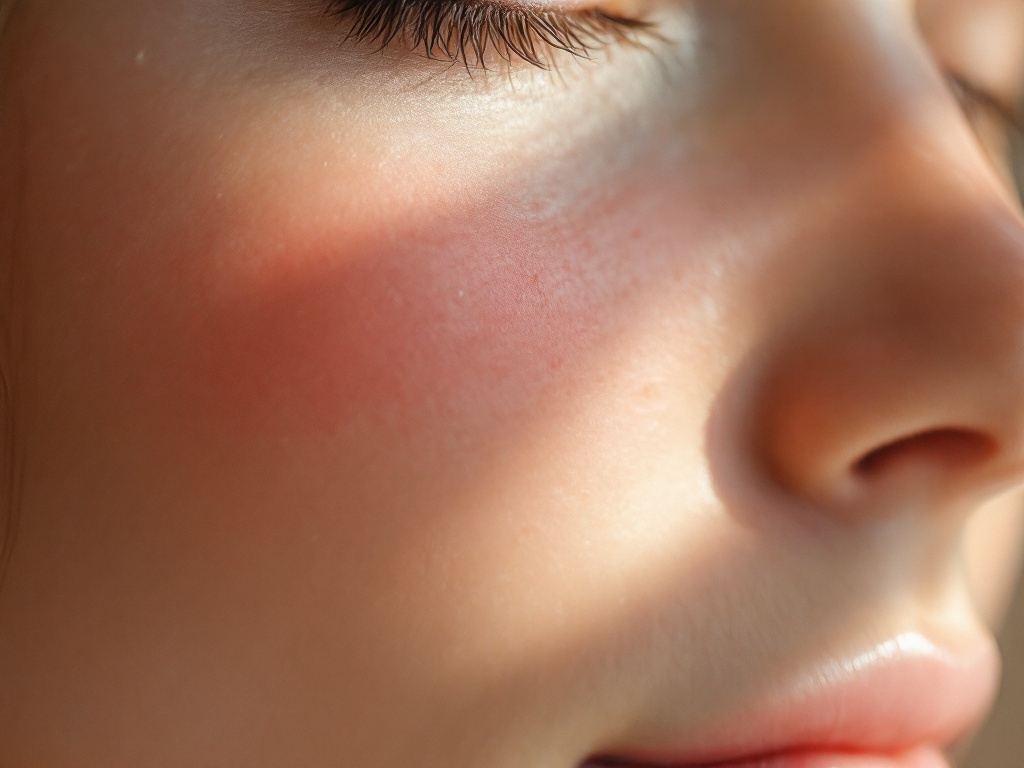
Walk into any dermatology clinic with papulopustular rosacea, the subtype marked by red bumps and pus-filled lesions, and you will almost certainly leave with one of three prescriptions: topical metronidazole, azelaic acid, or topical ivermectin. All three are considered first-line therapies in major treatment guidelines. All three have solid randomized trial data behind them. Yet they are not interchangeable, and understanding why can save patients months of trial and error.
Metronidazole: the anti-inflammatory workhorse For an independent overview, see Rosacea treatment: topical and oral options.
Metronidazole, available as a 0.75 percent gel or cream and a 1 percent formulation, has been used for rosacea since the 1980s. Although it is technically an antibiotic, its benefit in rosacea does not appear to come from killing bacteria. At the concentrations used on skin, metronidazole acts primarily as an anti-inflammatory and antioxidant agent, reducing the reactive oxygen species that neutrophils release in rosacea-prone skin. This matters because rosacea is increasingly understood as a disorder of innate immune overactivity rather than an infection.
In clinical trials, metronidazole typically reduces inflammatory lesion counts by roughly 50 to 60 percent over 12 weeks. It is well tolerated, inexpensive as a generic, and safe for long-term maintenance use. Its main limitation is modest potency: for patients with dense papules and pustules, it may not be enough on its own.
Azelaic acid: the multitasker
Azelaic acid, prescribed at 15 percent for rosacea, is a naturally occurring dicarboxylic acid. Its mechanisms are broader than metronidazole's. It downregulates kallikrein 5 and cathelicidin, two molecules central to rosacea's inflammatory cascade. It also normalizes keratinization and has mild antimicrobial effects. That kallikrein-cathelicidin activity is notable because elevated cathelicidin peptides are one of the best-documented drivers of rosacea inflammation and flushing.
Head-to-head trials suggest azelaic acid 15 percent gel is at least as effective as metronidazole, and in some studies modestly more effective, with lesion reductions in the 55 to 70 percent range at 12 to 15 weeks. The tradeoff is tolerability. Roughly one in four users reports transient stinging, burning, or itching, particularly in the first weeks. For patients with highly reactive skin, this can be a dealbreaker, though the sensation usually fades with continued use. A practical workaround supported by clinicians is starting with every-other-day application and titrating up.
Azelaic acid also offers a bonus for patients with darker skin tones or post-inflammatory pigmentation: it inhibits tyrosinase and can gradually fade discoloration, something neither competitor does.
Ivermectin: the mite hypothesis, operationalized
Ivermectin 1 percent cream, approved in 2014, brought a different logic to the table. Rosacea patients carry significantly higher densities of Demodex folliculorum, a microscopic mite that lives in facial hair follicles, than people without rosacea. Whether the mites cause rosacea or simply flourish in it remains debated, but their exoskeletons and associated bacteria appear to trigger immune activation through toll-like receptor 2.
Ivermectin attacks the problem from two directions: it is antiparasitic, reducing mite density, and it is independently anti-inflammatory, suppressing pro-inflammatory cytokines. The clinical results are the strongest of the three. In a large head-to-head trial, ivermectin 1 percent once daily outperformed metronidazole 0.75 percent twice daily at 16 weeks, with about 83 percent versus 74 percent lesion reduction and longer remission after stopping treatment. Once-daily dosing also helps adherence.
The caveats: ivermectin is often more expensive depending on insurance coverage, and some patients experience a temporary flare in the first one to two weeks, sometimes attributed to the immune response to dying mites. It works slowly, so patients should not judge results before 8 to 12 weeks.
How clinicians actually choose
In practice, the decision usually comes down to a few variables. Severity: for moderate to severe papulopustular disease, ivermectin's stronger trial data makes it a common first pick. Skin sensitivity: metronidazole is often the gentlest starting point for patients who react to everything. Coexisting pigmentation or acne features: azelaic acid pulls double duty. Cost and access: generic metronidazole remains the budget option in many markets.
Two points apply across the board. First, none of these treats the background redness and flushing of erythematotelangiectatic rosacea well. Persistent redness responds better to alpha-adrenergic agents like brimonidine or oxymetazoline, or to vascular laser treatment. Second, all three require patience. Twelve weeks is the fair trial period, and stopping early is the most common reason topicals appear to fail.
Combination and sequential use is also legitimate: some clinicians pair a topical with a short course of low-dose oral doxycycline for faster initial control, then maintain with the topical alone. The right cream is less about a universal winner and more about matching mechanism to the individual face in front of the mirror.
Related reading: Ivermectin vs. Metronidazole: What the Evidence Actually Says About Rosacea's Two Workhorse Creams.
More in Explainer
View all →- Ivermectin vs. Metronidazole for Papulopustular Rosacea: What the Evidence Actually Shows
- Ivermectin, Metronidazole, or Azelaic Acid: How the Three Workhorse Topicals for Papulopustular Rosacea Actually Compare
- Metronidazole, Azelaic Acid, or Ivermectin: How the Three Workhorse Topicals for Rosacea Actually Compare
- Ivermectin, Metronidazole, or Azelaic Acid: How the Three First-Line Topicals for Rosacea Actually Compare