
Explainer · July 31, 2026 · 5 min · By Nolan Achterman
Ivermectin vs. Metronidazole for Papulopustular Rosacea: What the Evidence Actually Shows
Two of the most prescribed topical treatments for rosacea bumps and pustules work through very different mechanisms. Here is a plain-English comparison of how they perform, how long they take, and who tends to benefit from each.
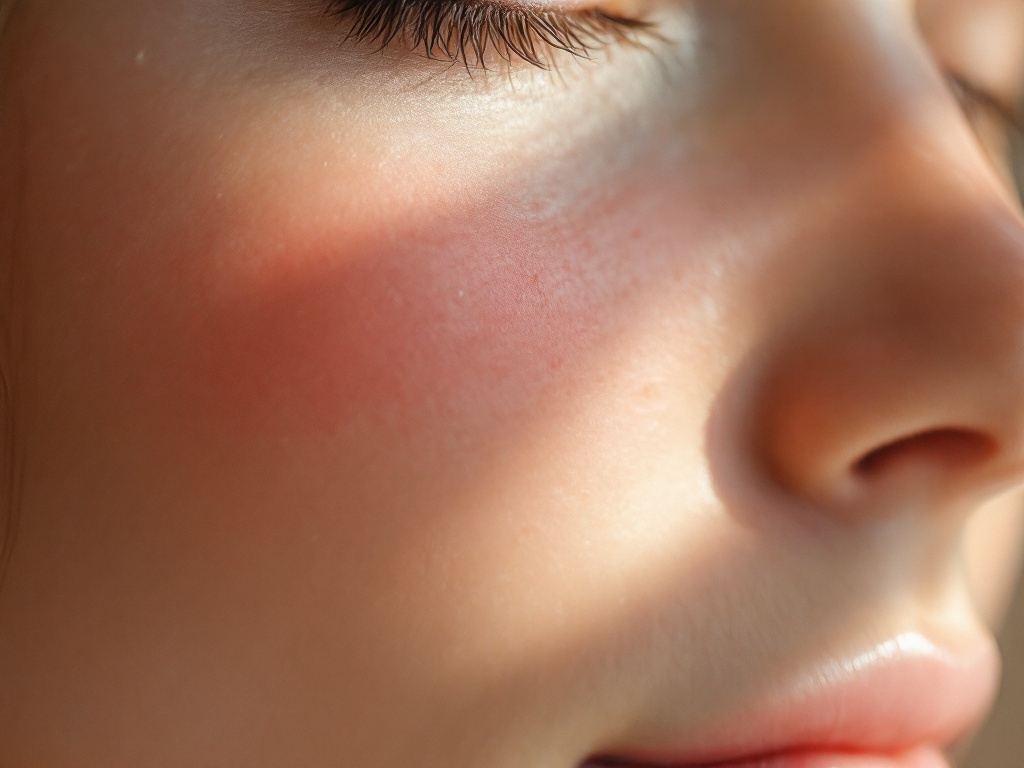
If you have been prescribed a topical for the bumps and pustules of rosacea, odds are good it was one of two drugs: metronidazole (usually 0.75% or 1% gel or cream) or ivermectin 1% cream. Both are considered first-line options in major dermatology guidelines. Both are applied to the face, both take weeks to work, and both are frequently confused with one another by patients. But they are not interchangeable, and the differences matter when deciding what to try, how long to wait, and what to expect.
How each one works, mechanically For an independent overview, see Papulopustular rosacea: bumps and pustules, treatment options.
Metronidazole is technically an antibiotic and antiprotozoal, but that is almost certainly not why it helps rosacea. At the concentrations used on skin, its benefit appears to come from anti-inflammatory and antioxidant effects, specifically reducing reactive oxygen species produced by neutrophils, the immune cells that drive much of the redness and pustule formation in rosacea. It is not meaningfully killing bacteria on your face, which is one reason long-term use does not appear to breed antibiotic resistance the way oral antibiotics can.
Ivermectin works on two fronts. First, it is an antiparasitic that kills Demodex mites, the microscopic organisms that live in facial hair follicles. People with papulopustular rosacea tend to carry substantially higher Demodex densities than people without rosacea, and mite fragments and their bacterial passengers appear to trigger inflammatory cascades in susceptible skin. Second, ivermectin has direct anti-inflammatory activity of its own, dampening the production of inflammatory cytokines. So even in patients whose mite counts are not dramatically elevated, there is a plausible mechanism for benefit.
What head-to-head data show
The most cited comparison is a large randomized trial that pitted ivermectin 1% cream once daily against metronidazole 0.75% cream twice daily over 16 weeks in people with moderate to severe papulopustular rosacea. Ivermectin came out ahead on the primary endpoint, with roughly an 83% reduction in inflammatory lesion counts versus about 74% for metronidazole. More patients on ivermectin reached clear or almost clear skin. Extension data also suggested that remissions after ivermectin lasted somewhat longer once treatment stopped.
That is a real difference, but it is worth keeping in perspective. Metronidazole still worked well, and it has decades of safety data behind it. For mild disease, either drug is a reasonable starting point, and factors like cost, insurance coverage, and once-daily versus twice-daily dosing often tip the decision as much as efficacy percentages do.
Timelines and expectations
Neither drug is fast. Both typically need 4 to 8 weeks before improvement is visible, and full benefit can take 12 to 16 weeks. This is the single most common reason patients abandon treatment prematurely. A useful benchmark: if you have used the product consistently for 12 weeks with essentially no change, it is fair to revisit the plan with your prescriber. Stopping at week three is not a fair trial.
One quirk specific to ivermectin deserves mention. A minority of patients experience a transient flare in the first one to two weeks, sometimes attributed to the inflammatory debris released as mites die off. This usually settles on its own and is not a reason to quit unless it is severe.
Tolerability and practical notes
Both drugs are gentle by topical standards, which matters because rosacea skin has an impaired barrier and reacts to almost everything. Metronidazole can cause mild dryness or stinging in some users. Ivermectin cream has a moisturizing vehicle and in trials was tolerated at least as well as, and often better than, comparators. Neither is a steroid, so neither carries the skin-thinning risk that makes topical corticosteroids inappropriate for long-term rosacea use.
A few practical points apply to both. Apply to clean, fully dry skin, then wait before layering moisturizer or sunscreen. Treat the whole affected area, not just individual bumps, because the inflammation is regional. And keep in mind that neither drug meaningfully treats background redness or visible vessels. Persistent erythema responds to different tools, including alpha-adrenergic agonist topicals and vascular laser or light devices. Pustule-focused topicals are one part of a plan, not the whole plan.
Who tends to get steered where
In practice, ivermectin is increasingly favored for moderate to severe papulopustular disease, given the head-to-head data and its dual mechanism. Metronidazole remains a solid choice for mild cases, for maintenance after clearing, and where cost is a constraint, since generic versions are widely available. Some clinicians also combine a topical with a low-dose oral anti-inflammatory antibiotic such as sub-antimicrobial doxycycline for stubborn cases, then taper to the topical alone.
The honest summary: both drugs are legitimate, evidence-backed options with distinct mechanisms. Ivermectin has a modest efficacy edge in trials, metronidazole has longevity and affordability on its side, and patience over 12 or more weeks is non-negotiable with either.
Related reading: Ivermectin vs. Metronidazole for Rosacea: What the Head-to-Head Data Actually Shows.
More in Explainer
View all →- Ivermectin, Metronidazole, or Azelaic Acid: How the Three Workhorse Topicals for Papulopustular Rosacea Actually Compare
- Metronidazole, Azelaic Acid, or Ivermectin: How the Three First-Line Rosacea Creams Actually Differ
- Metronidazole, Azelaic Acid, or Ivermectin: How the Three Workhorse Topicals for Rosacea Actually Compare
- Ivermectin, Metronidazole, or Azelaic Acid: How the Three First-Line Topicals for Rosacea Actually Compare