
Explainer · July 17, 2026 · 5 min · By Nolan Achterman
Ivermectin vs. Metronidazole: What the Evidence Actually Says About the Two Workhorse Topicals
Both creams sit at the front line of papulopustular rosacea treatment, but they work through different mechanisms and the head-to-head data is more decisive than many patients realize.
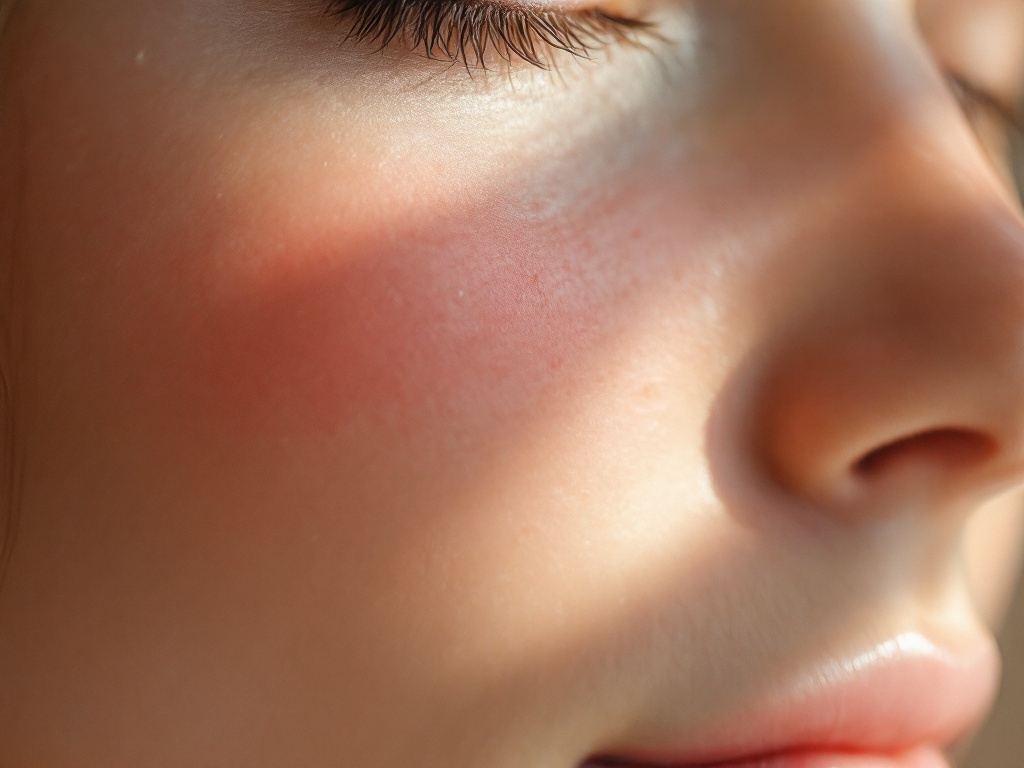
Ask a dermatologist to name the first-line topicals for papulopustular rosacea, the subtype marked by red bumps and pus-filled lesions, and two names come up almost immediately: metronidazole and ivermectin. Both are prescription creams or gels, both are backed by decades or years of trial data, and both appear in major treatment guidelines. But they are not interchangeable, and the differences matter when patients are deciding, with their clinicians, where to start.
How metronidazole works, as far as anyone can tell. Metronidazole is a nitroimidazole antibiotic, yet its benefit in rosacea almost certainly has little to do with killing bacteria. At the concentrations used on skin, 0.75 percent or 1 percent, its dominant effect appears to be anti-inflammatory and antioxidant. Laboratory work suggests it reduces reactive oxygen species generated by neutrophils, the immune cells that drive much of the visible inflammation in rosacea lesions. That mechanism fits the clinical picture: metronidazole calms papules and pustules over 8 to 12 weeks but does relatively little for background redness or flushing, which are driven by vascular changes rather than neutrophil activity. For an independent overview, see Rosacea treatment: topical and oral options.
How ivermectin works, and why the mite matters. Topical ivermectin 1 percent, approved in 2014, has a dual mechanism. First, it is an antiparasitic that kills Demodex folliculorum, the microscopic mite that lives in human hair follicles. Demodex density is consistently higher in rosacea-affected skin than in healthy skin, often five to ten times higher in studies using standardized skin surface biopsies. The mites, or more precisely bacteria associated with them and fragments of their exoskeletons, appear to trigger the innate immune system through toll-like receptor pathways, feeding the inflammatory cascade. Second, ivermectin has its own direct anti-inflammatory activity, suppressing inflammatory cytokines independent of any effect on mites. Whether the mite reduction or the anti-inflammatory action does more of the work remains genuinely unsettled, but the combination is plausible on both fronts.
The head-to-head trial. This is where the comparison stops being theoretical. A large randomized investigator-blinded study compared ivermectin 1 percent cream once daily against metronidazole 0.75 percent cream twice daily over 16 weeks in more than 900 patients with moderate to severe papulopustular rosacea. Ivermectin produced a greater reduction in inflammatory lesion counts, roughly 83 percent versus 74 percent, and a higher proportion of patients reached clear or almost clear skin. The margin was not enormous, but it was statistically significant and clinically meaningful, and an extension study found that patients who had responded to ivermectin stayed in remission longer after stopping treatment than those who had used metronidazole. That relapse data is arguably the more important finding, since rosacea is a chronic relapsing condition and time in remission is what patients actually feel.
Tolerability and practical differences. Both agents are well tolerated compared with older options like topical erythromycin or oral tetracyclines. Metronidazole can cause mild stinging or dryness early on. Ivermectin users sometimes report a transient flare in the first one to two weeks, which some clinicians attribute to a reaction to dying mites, though this is not firmly proven. Dosing differs in a way that affects adherence: ivermectin is once daily, metronidazole is typically twice daily in the 0.75 percent formulation, once daily at 1 percent. Cost and insurance coverage vary considerably, and generic metronidazole is often substantially cheaper, which is a legitimate reason it remains a first choice for many patients.
What neither drug does. It bears repeating that both medications target inflammatory lesions. Neither meaningfully improves persistent erythema, the fixed background redness caused by dilated and structurally altered blood vessels, and neither addresses flushing episodes or visible telangiectasias. Those features respond to different tools: brimonidine or oxymetazoline for temporary redness reduction, and vascular laser or intense pulsed light for longer-term vessel remodeling. Patients who start a topical expecting their overall facial redness to fade are set up for disappointment, and clear expectation-setting at the first visit prevents a lot of premature treatment abandonment.
The bottom line. If lesion clearance and remission length are the priorities and cost is not a barrier, the trial evidence gives ivermectin a modest but real edge for papulopustular rosacea. Metronidazole remains an entirely reasonable first-line option, particularly for milder disease, budget-constrained patients, or those who have used it successfully before. Some clinicians also rotate or combine agents in stubborn cases, and both pair well with oral doxycycline at anti-inflammatory doses when topicals alone fall short. The right answer depends on severity, history, and finances, which is exactly the conversation to have with a prescribing clinician rather than a decision to make from marketing copy.
Related reading: Metronidazole, Azelaic Acid, or Ivermectin: How the Three Workhorse Topicals for Rosacea Actually Differ.
More in Explainer
View all →- Metronidazole, Azelaic Acid, or Ivermectin: How the Three Workhorse Topicals for Rosacea Actually Compare
- Ivermectin, Metronidazole, or Azelaic Acid: How the Three First-Line Topicals for Rosacea Actually Compare
- Ivermectin, Metronidazole, or Azelaic Acid: How the Three Big Topicals for Rosacea Actually Differ
- Ivermectin, Metronidazole, or Azelaic Acid: How the Three Big Topicals for Rosacea Actually Compare