
Explainer · August 6, 2026 · 5 min · By Nolan Achterman
Ivermectin vs. Metronidazole for Papulopustular Rosacea: What the Head-to-Head Data Actually Shows
Both topicals are first-line options for the bumps and pustules of rosacea, but they work through different mechanisms and the comparative trials are not a tie. Here is a plain-English breakdown.
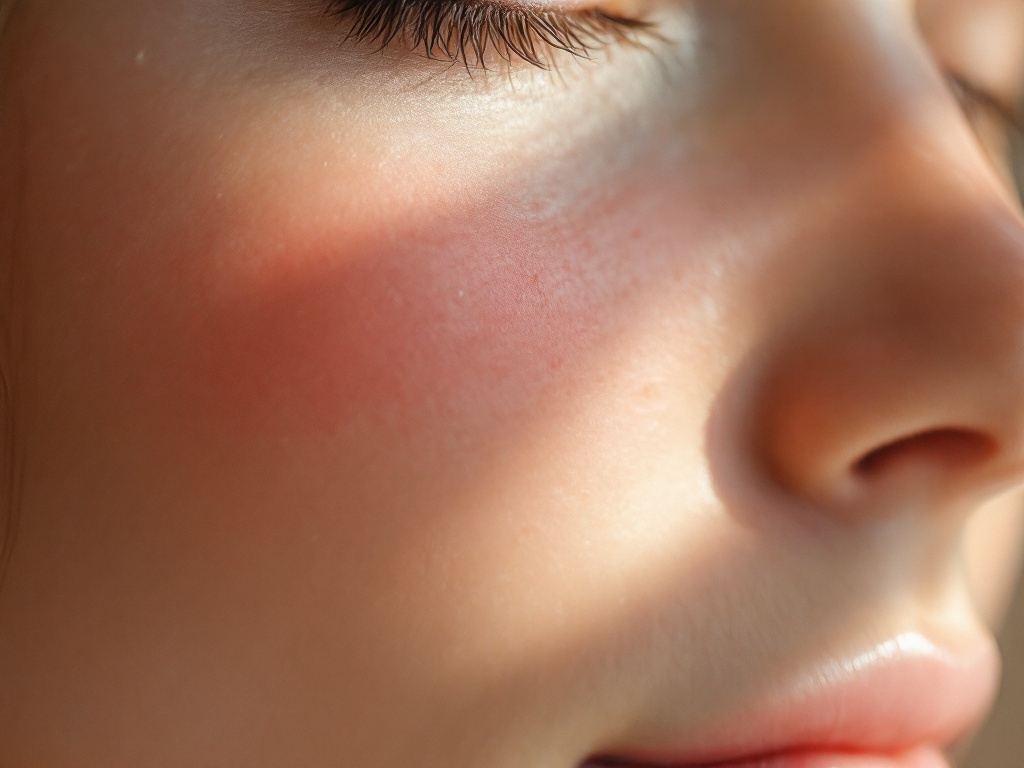
If you have papulopustular rosacea, the subtype marked by red bumps and pus-filled lesions across the central face, your dermatologist will likely reach for one of two prescription creams first: topical ivermectin 1% or topical metronidazole 0.75% or 1%. Both are considered first-line. Both are backed by decades of combined trial data. But they are not interchangeable, and the direct comparison studies point in a consistent direction that patients rarely hear explained clearly.
How metronidazole works, as far as we know. Metronidazole is technically an antibiotic and antiprotozoal, but its benefit in rosacea almost certainly does not come from killing bacteria. Rosacea is not an infection in the classic sense. Instead, metronidazole appears to act as an anti-inflammatory and antioxidant, reducing reactive oxygen species produced by neutrophils, the immune cells that drive much of the redness and pustule formation. It has been used topically for rosacea since the late 1980s, so its safety record is long and reassuring. It is applied once or twice daily depending on the formulation, and meaningful improvement typically takes 4 to 8 weeks. For an independent overview, see Papulopustular rosacea: bumps and pustules, treatment options.
How ivermectin works, and why the mechanism matters. Ivermectin 1% cream, approved for rosacea in 2014, has a dual mechanism. First, it is a potent anti-inflammatory: it suppresses the production of inflammatory cytokines and dampens the overactive innate immune signaling, including the cathelicidin pathway, that researchers believe sits near the root of rosacea. Second, it kills Demodex mites, the microscopic organisms that live in human hair follicles. People with rosacea carry Demodex at densities several times higher than people without it, and the mites, or the bacteria they carry, appear to trigger the immune overreaction that produces papules and pustules. Metronidazole does not meaningfully reduce Demodex counts. Ivermectin does, which gives it a second lever that its older competitor lacks.
What the head-to-head trial found. The most cited direct comparison is a 16-week randomized investigator-blinded trial that pitted ivermectin 1% once daily against metronidazole 0.75% twice daily in patients with moderate to severe papulopustular rosacea. Ivermectin produced a greater reduction in inflammatory lesion counts, roughly 83% versus 74% at week 16, and a higher proportion of patients reached clear or almost clear skin on investigator assessment. The difference was statistically significant and, importantly, it widened over time rather than converging. An extension study following the same patients found that those who had cleared on ivermectin also stayed in remission longer after stopping treatment, with a median relapse-free interval several weeks longer than the metronidazole group. The likely explanation is that reducing the Demodex population removes an ongoing trigger rather than only quieting the inflammation it causes.
So why is metronidazole still prescribed so widely? Several practical reasons. It is available as a generic in most markets and is often substantially cheaper, which matters for a chronic condition requiring months or years of use. Insurance formularies frequently require patients to try metronidazole first. It comes in gel, cream, and lotion vehicles, which allows tailoring to skin type: gels for oilier skin, creams and lotions for the dry, easily irritated skin common in rosacea. And for many patients with mild disease, its efficacy is simply sufficient. A treatment that gets you to clear skin does not need to be the statistically superior one.
Tolerability is close to a wash. Both drugs are gentle by the standards of dermatologic topicals. Trial dropout rates for irritation are low for each, generally under 2 to 3%. Some patients starting ivermectin report a temporary flare in the first one to two weeks, sometimes attributed to the die-off of mites provoking a brief immune response. This usually settles on its own and is not a reason to stop unless it is severe.
Practical takeaways. If cost and access were no object, the trial evidence favors ivermectin for moderate to severe papulopustular rosacea: greater lesion reduction, higher clearance rates, and longer remission. For mild disease, or where cost is a constraint, metronidazole remains a legitimate and well-tolerated choice, and failing to respond to it does not mean topicals will not work for you. It may simply mean the Demodex-targeting mechanism is the one your skin needs. Either way, expect a slow build: judge any rosacea topical at the 12 to 16 week mark, not at week three. And remember that neither drug treats the background redness of erythematotelangiectatic rosacea or visible vessels. Those call for different tools entirely, from alpha-adrenergic gels to vascular laser, and mixing up the targets is one of the most common reasons patients conclude a perfectly good medication has failed.
More in Explainer
View all →- Low-Dose Doxycycline for Rosacea: Why 40 mg Is Not Just a Smaller Antibiotic
- Ivermectin vs. Metronidazole: What the Head-to-Head Evidence Actually Shows
- Ivermectin vs. Metronidazole: What the Head-to-Head Data Actually Shows for Papulopustular Rosacea
- Topical Ivermectin vs. Metronidazole: What the Evidence Actually Says for Papulopustular Rosacea