
Explainer · August 6, 2026 · 4 min · By Nolan Achterman
Ivermectin vs. Metronidazole: What the Head-to-Head Evidence Actually Shows
Two of the most prescribed topicals for papulopustular rosacea work through different mechanisms and were compared directly in a large trial. Here is a plain-English breakdown of how each works, what the data found, and how clinicians decide between them.
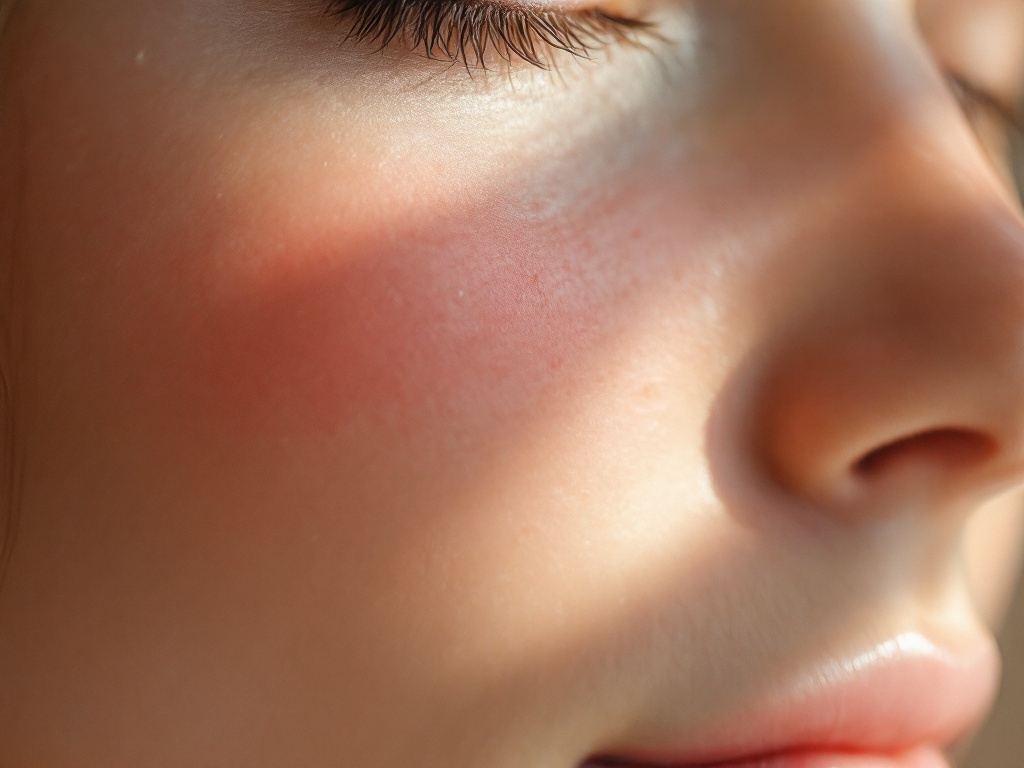
If you have been prescribed a topical for the bumps and pimples of rosacea, chances are it was one of two drugs: metronidazole or ivermectin. Both are first-line options in most dermatology guidelines for papulopustular rosacea, the subtype marked by red inflammatory papules and pustules across the central face. But they are not interchangeable, and the differences come down to mechanism, dosing, and what a direct comparison trial found.
How metronidazole works, as far as we know. Metronidazole is technically an antibiotic and antiprotozoal, but its benefit in rosacea does not appear to come from killing bacteria on the skin. At the concentrations used in creams and gels, usually 0.75 percent or 1 percent, its main effect seems to be anti-inflammatory and antioxidant. It reduces reactive oxygen species generated by neutrophils, the white blood cells that drive much of the visible inflammation in a rosacea flare. It has been used since the late 1980s, it is inexpensive as a generic, and it is typically applied once or twice daily depending on the formulation. For an independent overview, see Rosacea treatment: topical and oral options.
How ivermectin works. Topical ivermectin 1 percent cream, approved in 2014, has a dual mechanism that maps neatly onto current thinking about rosacea biology. First, it is anti-parasitic: it kills Demodex mites, the microscopic organisms that live in facial hair follicles of nearly everyone but are found in significantly higher densities on rosacea-affected skin. Research suggests these mites, or bacteria they carry, can trigger the overactive innate immune response seen in rosacea. Second, ivermectin has direct anti-inflammatory effects, dampening production of inflammatory cytokines. It is applied once daily.
The head-to-head trial. These two drugs were compared directly in a randomized, investigator-blinded study of over 900 patients with moderate to severe papulopustular rosacea, published in 2015. Participants applied either ivermectin 1 percent cream once daily or metronidazole 0.75 percent cream twice daily for 16 weeks. The result: ivermectin reduced inflammatory lesion counts by about 83 percent versus roughly 74 percent for metronidazole. More patients on ivermectin reached clear or almost clear skin on the investigator global assessment. An extension study following the same patients also found that those who had used ivermectin took longer to relapse after stopping treatment, a median of roughly 115 days versus about 85 days.
That is a real difference, but context matters. Metronidazole still worked well for a large share of patients, and a 74 percent lesion reduction is a meaningful clinical result. The gap between the drugs, while statistically significant, is not a chasm.
Tolerability and practical considerations. Both drugs are generally well tolerated, which matters enormously in rosacea because the skin barrier is already compromised and reactive. Reported side effects for both are mostly mild: transient burning, stinging, or dryness at the application site. Ivermectin has the convenience edge with once-daily dosing. Metronidazole often wins on cost, since it has been generic for decades, though generic ivermectin cream is now increasingly available in many markets.
One wrinkle worth knowing: some patients starting ivermectin report a temporary worsening in the first one to two weeks. One proposed explanation is an inflammatory reaction to dying Demodex mites, sometimes called a die-off response. It usually settles, but patients who are not warned about it often stop treatment early and conclude the drug failed.
How clinicians typically choose. There is no single right answer, but common patterns include starting with ivermectin when papules and pustules are moderate to severe, given the trial data, or when once-daily application improves the odds a patient will actually stick with treatment. Metronidazole remains a reasonable first choice for milder disease, for cost-sensitive patients, or when a patient has done well on it before. Some clinicians also rotate or combine strategies when a single agent plateaus, though combination data are thinner.
What neither drug does. This is where expectations need calibrating. Neither ivermectin nor metronidazole meaningfully treats the background redness and visible blood vessels of rosacea. Those features are vascular, driven by dilated and proliferated capillaries, and respond instead to alpha-adrenergic topicals like brimonidine or oxymetazoline for temporary redness reduction, or to vascular laser and intense pulsed light for more durable improvement. Patients who judge these creams by whether their overall facial redness fades will be disappointed for reasons that have nothing to do with drug failure.
The bottom line. Ivermectin has modestly stronger trial evidence for clearing inflammatory lesions and delaying relapse, likely because it attacks two contributors at once: Demodex overgrowth and inflammation. Metronidazole remains effective, affordable, and well tolerated after more than three decades of use. Both require patience, since meaningful improvement typically takes 8 to 16 weeks, and both work best inside a broader plan that includes daily sun protection, gentle skin care, and trigger awareness. If one does not deliver after a fair trial, switching to the other is a legitimate and evidence-supported next step, not a last resort.
Related reading: Ivermectin vs. Metronidazole for Rosacea: What Head-to-Head Data Actually Shows.
Keep reading
Ivermectin vs. Metronidazole: What the Head-to-Head Data Actually Shows for Papulopustular Rosacea
Read nextMore in Explainer
View all →- Ivermectin vs. Metronidazole for Papulopustular Rosacea: What the Head-to-Head Data Actually Shows
- Low-Dose Doxycycline for Rosacea: Why 40 mg Is Not Just a Smaller Antibiotic
- Ivermectin vs. Metronidazole: What the Head-to-Head Data Actually Shows for Papulopustular Rosacea
- Topical Ivermectin vs. Metronidazole: What the Evidence Actually Says for Papulopustular Rosacea